What Happens if Fistula is Not Treated on Time

Fistulas, while not usually talked over, can pose serious pitfalls if left untreated. Understanding what fistulas are, the accessible treatments, and the implicit complications of neglecting them is essential for maintaining optimal health and well- being. In this blog post, we will explore the implicit consequences of delaying treatment for a fistula. Dr. N. S. Babu, best gastroenterologist in Hyderabad, emphasizes the significance of timely medical concentration for this condition.

What are Fistulas?

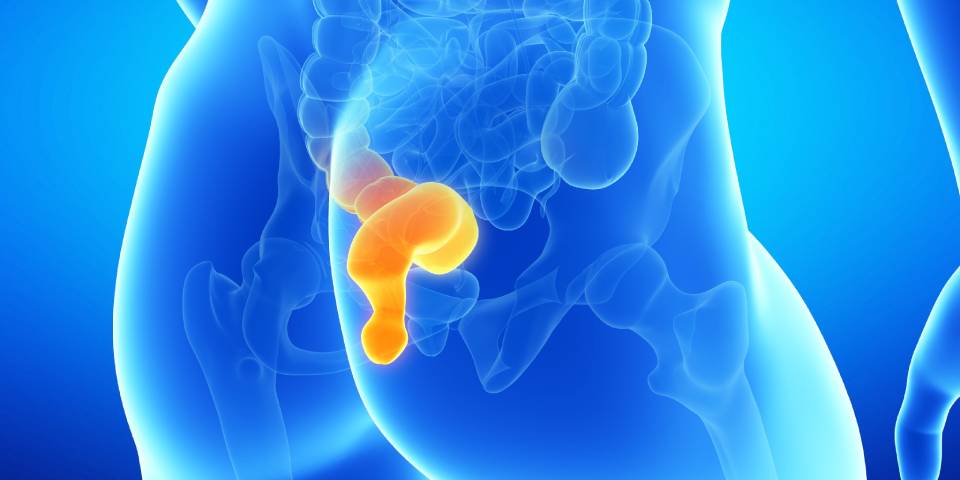
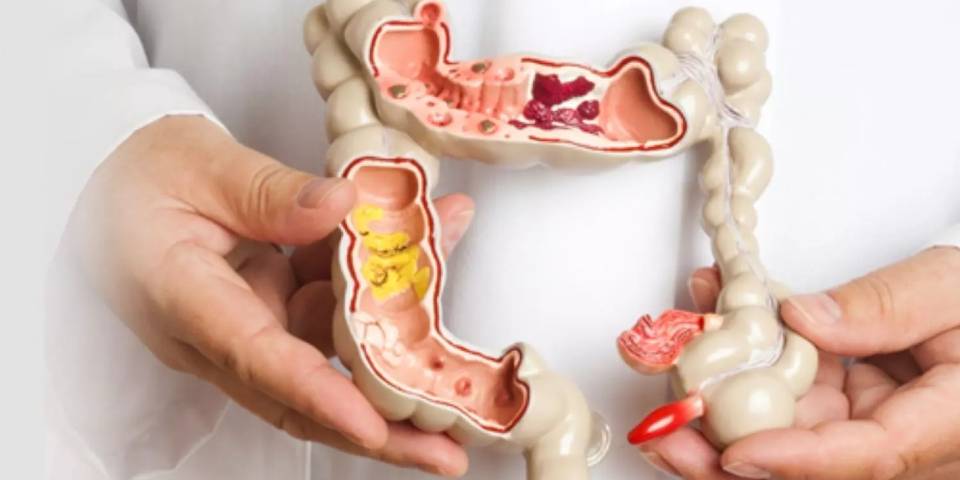
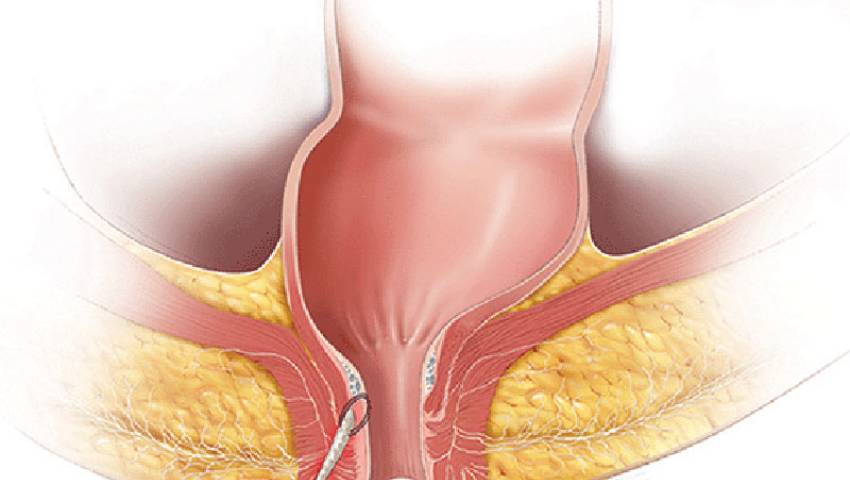
Fistulas are unique tubes or connections that connect two organs or one organ to the skin. They can damage the reproductive system, urinary tract, and digestive tract, among other parts of the body.

Treatments:

Fistula treatments generally involve a combination of drugs, drainage procedures, and surgery. Medications similar as antibiotics may be specified to manage infections. Drainage procedures, similar as seton placement or fistulotomy, help to palliate symptoms and promote recovery. In further complex cases, surgery may be necessary to close the fistula tract and prevent recurrence.

Treatment options for fistula:

Medications:

  • Medications Antibiotics or immunosuppressive medicines to control infection and inflammation.

Surgical procedures:

  • Fistulotomy: Cutting open the fistula tract to allow it to heal.
  • Seton placement: Inserting a draining device to aid in healing.
  • Fistula plug: Placing a biological material to promote closure.
  • Advancement flap repair: Using nearby tissue to cover the fistula opening.
  • Other interventions: Laser therapy or fibrin glue injections in some cases.

According to the colorectal surgeon in Hyderabad, Dr. N. S. Babu the specific treatment depends on the type, position, and severity of the fistula, as well as individual health factors.

Complications of Untreated Fistulas:

  • Abscess Formation: Fistulas frequently develop from infected anal glands.Poor medical attention could lead to the infection spreading and painful anal abscesses. These abscesses may cause severe discomfort, redness, and swelling as side effects.
  • Chronic Pain: Fistulas can effect persistent pain, especially during bowel motions.The constant vexation and inflammation of the girding tissues can affect in discomfort that interferes with day- to- day activities and reduces overall quality of life.
  • Infection: Untreated fistulas are prone to intermittent infections. Bacteria can enter the fistula tract, leading to ongoing inflammation and the spread of infection to girding tissues. In severe cases, this can affect in systemic illness, containing fever, chills, and fatigue.
  • Fecal Incontinence: Untreated fistulas in severe or complex cases may affect in fecal incontinence, or the incapability to control bowel movements. The regular functioning of the anal sphincter muscles may be interfered with by the actuality of a fistula, performing in mucus or falling from the anus..
  • Fistula Recurrence: Without adequate treatment, fistulas are highly likely to recur. Even if initial symptoms improve, the underlying tract may not heal completely, leading to the formation of new fistulas or the reopening of previously treated ones. Recurrent fistulas often require additional surgeries and can result in prolonged discomfort and frustration for the patient.
  • Fistula- Associated Fistula Tracts( FAFTs): In some cases, untreated fistulas can conduct to the evolution of complex networks of connected fistula tracts known as FAFTs. These networks can be demanding to treat and may bear numerous surgeries and dragged reclamation periods.

In conclusion, it’s imperative to instantly treat fistulas to prevent serious complications. Untreated fistulas can affect in abscess formation, chronic pain, intermittent infections, fecal incontinence, and the evolution of complex fistula networks. Consulting with Dr. N. Subrahmaneswara  Babu for fistula treatment in Hyderabad and following his recommended treatment plan can assist prevent these complications and enhance overall quality of life.
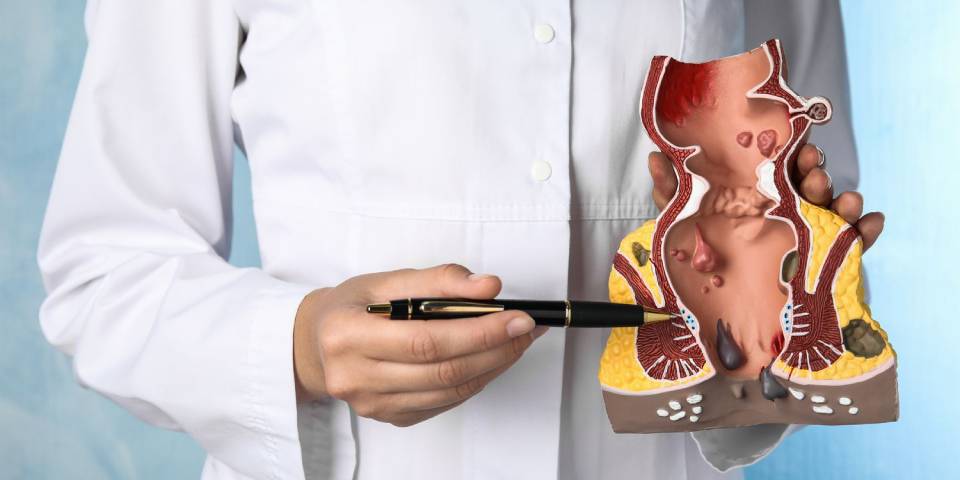
Complications of Constipation if left untreated

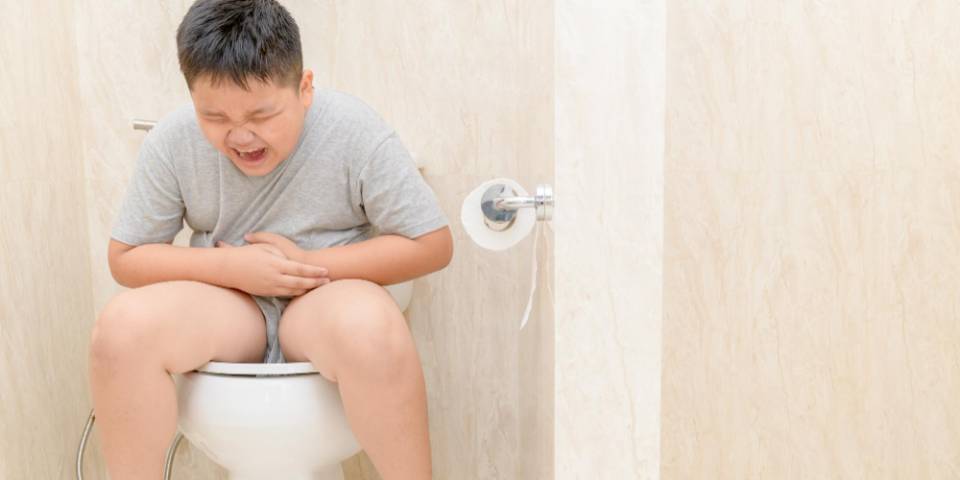
Most of us have been constipated at some point during our lives. It’s inconvenient, but at least it doesn’t happen often. For some people, though, constipation is a regular part of their lives. These women and men have, on average, three or fewer bowel movements per week, leaving them feeling bloated, crampy, and uncomfortable. Sometimes constipation remedies itself with a few changes to diet or water intake, but if constipation is prolonged, your risk of developing complications, like hemorrhoids, increases. Chronic constipation is defined as having fewer than three bowel movements per week, passing hard stools, or difficulty and pain when passing stools. In this Blog, a leading Surgical Gastroenterologist in Hyderabad Dr. N.S. Babu Will explain how untreated constipation problems cause complications.

Let’s see one by one

However chronic constipation can cause complications.

  1. Piles: Piles, also known as hemorrhoids, are a common complication of constipation. When you are constipated, the excreta becomes hard and delicate to pass. This can result in straining during bowel motions, which puts pressure on the veins in the rectal area. Over time, this expanded pressure can cause the veins to swell and bulge, leading to hemorrhoids. Piles can cause pain, itching, and bleeding, especially during bowel movements. They can be internal, located inside the rectum, or external, located under the skin around the anus. In severe cases, hemorrhoids may need to be treated with medicine or surgery.
  2. Anal Fissures: Anal fissures are slight slits in the skin around the anus that can come due to various factors, involving constipation. When you are constipated, the coprolite becomes hard and difficult to pass, leading to straining during bowel motions. This straining can affect slits in the delicate skin of the anus, resulting in anal fissures. Anal fissures can be quite painful and may affect bleeding during bowel motions. They can also conduct to discomfort and itching in the anal area. It’s essential to address constipation to prevent the evolution or worsening of anal fissures. Increasing fiber input, staying hydrated, and exercising regularly can help soften the coprolite and make bowel motions easier, reducing the threat of fissures.
  3. Rectal Prolapse: Rectal prolapse occurs when the rectum protrudes from the anus, either partly or completely. habitual constipation, involving constant straining during bowel movements, can weaken the muscles supporting the rectum, boosting the trouble. Symptoms of rectal prolapse carry a bulge or swell from the anus, difficulty controlling bowel movements, and a feeling of incomplete emptying.
  4. Fecal Impaction: Fecal impaction is a tough complication of constipation where a large, hard mass of dropping becomes jammed in the rectum and can’t be expelled. This condition usually occurs when constipation is left untreated, and the dropping becomes too large and hard to pass easily. Fecal impaction can cause abdominal pain, bloating, and a feeling of fullness or pressure in the rectum. In severe cases, it can result in complications similar to bowel inhibition or the expansion of ulcers in the rectum.
  5. Diverticulitis: Diverticulitis is a condition where small, pouching pouches( diverticula) in the digestive region become inflamed or infected. Constipation can be a contributing factor to the expansion of diverticulitis. When constipated, the increased pressure in the colon can result in the formation of diverticula. Hard droppings can also get trapped in these pouches, leading to inflammation or infection.

How to get rid of Constipation?

To alleviate constipation, try adding your fiber input through fruits, vegetables, and whole grains, which can support soft dropping and promote bowel motions. Stay doused by drinking plenty of water throughout the day. Regular physical exercise can also stimulate bowel motions. Establishing a regular restroom routine and not neglecting the appetite to have a bowel motion can support this.

In some cases, over-the-counter laxatives or dropping softeners may be helpful. However, if you witness severe pain or bleeding, seek medical guidance from the best colorectal surgeon in Hyderabad, Dr. N. S. Babu for effective treatment and proper care

Top 10 Myths and Facts of Anal Fissure

Anal fissures are a common yet constantly misunderstood condition that can bring significant discomfort and pain. Despite its frequency, there are many myths surrounding anal fissures that can conduct to misconceptions and needless anxiety. In this article, Dr. N Subrahmaneswara Babu, a famed gastroenterologist in Hyderabad will debunk the top 10 myths surrounding anal fissures and deliver substantiation-based facts to support your understanding of this condition. By separating fact from fiction, we aim to empower individuals to seek proper treatment and support for anal fissures, promoting better common health and well-being.

Myth 1: You are the only one suffering from Fissure.

Fact: Anal fissures are a common condition, affecting people of all ages and backgrounds. It’s estimated that around 10% of the population will witness an anal fissure at some point in their lives. You are not alone in dealing with this issue, and there are operative treatments popular to support take and heal anal fissures

Myth 2: Fissures affect only the elderly.

Fact: While anal fissures are more common in aged grown-ups, they can occur at any time. Factors similar to constipation, diarrhea, childbearing, and certain medical conditions can boost the threat of developing an anal fissure, regardless of time.

Myth 3: Anal Fissure treatment needs surgery.

Fact: Surgery isn’t invariably necessary to treat an anal fissure. In numerous cases, conservative treatments similar to salutary changes, fiber supplements, and topical remedies can help cure the fissure and relieve symptoms. Surgery is generally considered only if conservative treatments fail.

Myth 4: Spicy foods and cold surfaces cause fissures.

Fact: Spicy foods and cold surfaces do not directly cause anal fissures. However, they can itch an existing fissure and worsen symptoms. Anal fissures are frequently the result of trauma to the anal conduit, which can be caused by passing hard or large droppings, habitual diarrhea, or childbirth.

Myth 5: Exercises must be avoided if you have Fissure.

Fact: Exercise is important for overall health and can prevent constipation, which is a usual cause of fissures. Still, emphatic exercises that increase intra-abdominal pressure, such as heavy lifting, may aggravate symptoms in some cases. It’s best to counsel with a healthcare provider before starting any new exercise routine.

Myth 6: Fissures can be cured by herbal remedies.

Fact: While some herbal remedies may give temporary relief from symptoms, there is no scientific validation to support the claim that they can cure anal fissures. It’s forever best to counsel with a healthcare provider for proper opinion and treatment. In numerous cases, conservative treatments similar to salutary changes, fiber supplements, and topical remedies are more operative in healing anal fissures.

Myth 7: There is a possibility of recurrence of anal fissure after surgery.

Fact: While recurrence is practicable, it isn’t ineluctable. Proper Post-operative care, involving salutary changes and good hygiene, can support and reduce the threat of recurrence. In some cases, further treatments may be necessary to prevent recurrence

Myth 8: Fissures are sexually transmitted diseases.

Fact: Anal fissures aren’t sexually transmitted conditions. They’re generally the result of trauma to the anal conduit, similar to passing hard or large droppings, habitual diarrhea, or childbearing. While certain sexually transmitted infections can beget symptoms that may be incorrect for an anal chink, fissures themselves aren’t caused by sexual activity.

Myth 9: Fissures are caused by poor hygiene.

Fact: While poor hygiene can contribute to the evolution of anal fissures, they’re generally caused by other factors similar to constipation, diarrhea, or childbirth. Maintaining good hygiene, involving regular washing, and avoiding harsh detergents, can support prevent fissures but may not be the sole cause.

Myth 10: Anal fissures are embarrassing conditions that should not be discussed.

Fact: Anal fissures are a common medical condition and shouldn’t cause embarrassment. Seeking early medical concentration is pivotal as it can prevent complications and ameliorate your quality of life. Open communication with a healthcare provider is crucial for proper opinion and treatment, ensuring you receive the necessary care and support.

Conclusion:

An anal fissure is a common condition that can be effectively treated with various nonsurgical techniques. Indeed if surgical intervention is demanded, numerous procedures are minimally invasive and do not involve significant cuts or injuries. Adopting a healthy lifestyle can also prevent the evolution of anal fissures. thus, if you are experiencing symptoms of anal fissures, it’s important to remain calm and book an appointment with Dr. N.S. Babu for appropriate diagnosis and best fissure treatment in Hyderabad.

Anorectal diseases: how to manage anorectal diseases effective

Anorectal diseases can be uncomfortable and challenging to discuss, but they are more common than you might think. Dr. N Subrahmaneswara Babu, an esteemed expert in the field of  Surgical Gastroenterologist in Hyderabad , brings forth a wealth of knowledge to help individuals effectively manage anorectal diseases. In this comprehensive guide, we will explore various aspects of anorectal conditions and delve into practical strategies for effective management.

Demystifying Common Anorectal Diseases:

  • Hemorrhoids: Swollen veins around the anus, causing pain, itching, and bleeding.
  • Anal fissures: Small tears in the anal lining, leading to pain and bleeding during bowel movements.
  • Fistulas: Abnormal connections between the anus and surrounding tissues, causing drainage and pain.
  • Perianal abscesses: Pus-filled lumps near the anus, resulting from infections.
  • Pruritus ani: Itchy, irritated anal area, often caused by hygiene, allergies, or skin conditions.

Diagnostic Approaches:

Accurate diagnosis is crucial for tailoring a successful treatment plan. Dr. Babu walks readers through the diagnostic process, highlighting the importance of medical history, physical examinations, and, when necessary, advanced imaging techniques. Understanding the root cause is paramount to crafting a personalized and effective management strategy.

Holistic Management Strategies:

Dr. Babu advocates for a holistic approach to anorectal disease management. This includes lifestyle modifications, dietary changes, and simple yet effective self-care practices. From maintaining proper hygiene to incorporating fiber-rich foods, readers will learn how to make positive changes that can alleviate symptoms and promote long-term well-being.

Medical Interventions:

In more critical situations, medical interventions may become essential. Dr. Babu sheds light on the diverse treatment alternatives accessible, ranging from bariatric surgery and GI cancer surgery to gallstone surgery, encompassing topical medications and minimally invasive procedures. His expertise ensures that readers are well-informed about the potential benefits and risks associated with each intervention, empowering them to make informed decisions about their health.

Surgical Solutions:

In cases where conservative measures and medical interventions are insufficient, surgical options become crucial. Dr. Babu discusses different surgical procedures, explaining their purposes, outcomes, and recovery processes. His expertise in this area ensures that readers are well-prepared and informed should surgical intervention be recommended.

Effective Management Strategies:

  • Lifestyle Modifications:
  • Increase fiber intake for softer stools.
  • Drink plenty of water to avoid constipation.
  • Maintain good hygiene with gentle wipes and warm baths.
  • Avoid straining during bowel movements.

Dietary Adjustments:

  • Reduce processed foods, refined carbohydrates, and spicy foods that can irritate the anus.
  • Consider adding probiotics and yogurt to promote gut health.

Topical Treatments:

  • Over-the-counter creams and ointments can soothe pain and itching.
  • Sitz baths with warm water and Epsom salts can provide relief.

Medical Interventions:

  • Rubber band ligation for hemorrhoids.
  • Nitroglycerin or botox injections for fissures.
  • Surgery for fistulas and abscesses.

Patient Stories and Testimonials:

To add a personal touch, Dr. Babu includes real-life patient stories and testimonials throughout the guide. These anecdotes not only provide reassurance to those facing anorectal diseases but also underscore the effectiveness of the strategies and interventions recommended by Dr. Babu.

Conclusion:

Dr.N.Subrahmaneswara Babu’s guide on managing anorectal diseases is a valuable resource for anyone seeking comprehensive information on these conditions. By combining medical expertise with practical advice, Dr. Babu ensures that readers are empowered to take charge of their health and navigate the challenges of anorectal diseases effectively.

What to Expect After Colorectal Surgery

Colorectal surgery is a complex yet common procedure performed to treat various conditions affecting the colon and rectum, such as colorectal cancer, inflammatory bowel disease (IBD), diverticulitis, and rectal prolapse. After undergoing colorectal surgery, patients can expect a period of recovery and adjustments to their daily life. Dr. N. Subrahmaneswara Babu, a leading Surgical Gastroenterologist and Advanced Laparoscopic Surgeon in Hyderabad is well-equipped to provide expert care and support during this critical phase.

Colorectal surgery is a complex yet common procedure performed to treat various conditions affecting the colon and rectum, such as colorectal cancer, inflammatory bowel disease (IBD), diverticulitis, and rectal prolapse. After undergoing colorectal surgery, patients can expect a period of recovery and adjustments to their daily life. Dr. N. Subrahmaneswara Babu, a leading Surgical Gastroenterologist and Advanced Laparoscopic Surgeon in Hyderabad is well-equipped to provide expert care and support during this critical phase.

Postoperative Recovery:

After colorectal surgery, patients typically spend a few days in the hospital to closely monitor their recovery. During this time, Dr. N. Subrahmaneswara Babu prioritizes patient comfort by providing effective pain management. The medical team also monitors for any signs of infection or other complications to ensure a smooth healing process.

Dietary Changes:

In the initial stages of recovery, patients may need to follow a modified diet to allow their gastrointestinal tract to heal. Dr. N. Subrahmaneswara Babu provides personalized dietary guidelines to promote healing and prevent complications. As recovery progresses, patients can gradually transition to a regular diet based on their specific needs and condition.

Physical Activity:

After colorectal surgery, patients may experience limitations in physical activities. Dr. N. Subrahmaneswara Babu emphasizes the importance of gradually increasing activity levels as the healing process advances. This helps to prevent complications and promote overall well-being.

Follow-up Care:

Regular follow-up appointments are an essential part of the postoperative care plan. Dr. N. Subrahmaneswara Babu schedules follow-up visits to monitor the patient’s progress and address any concerns that may arise during the recovery period. This personalized approach ensures that patients receive the necessary support throughout their recovery journey.

Potential Complications:

While colorectal surgery is generally safe, there is a small risk of complications, such as infection, bleeding, or anastomotic leaks (a type of surgical connection). Dr. N. Subrahmaneswara Babu’s extensive experience and dedication to patient safety help minimize such risks. He ensures that patients and their families are well-informed about potential complications and how to recognize early warning signs.

Dr. N. S. Babu's Expertise:

Dr. N. Subrahmaneswara Babu’s vast experience in the field of surgical gastroenterology and his compassionate approach to patient care make him a standout surgeon in Hyderabad. His attention to pre and postoperative care, coupled with his focus on patient safety and well-being, ensures that patients undergoing colorectal surgery have the best possible outcomes. Whether it’s treating colorectal cancer or managing complex cases of inflammatory bowel disease, Dr. N. Subrahmaneswara Babu’s expertise and dedication set him apart as a leading Surgical Gastroenterologist in the region.