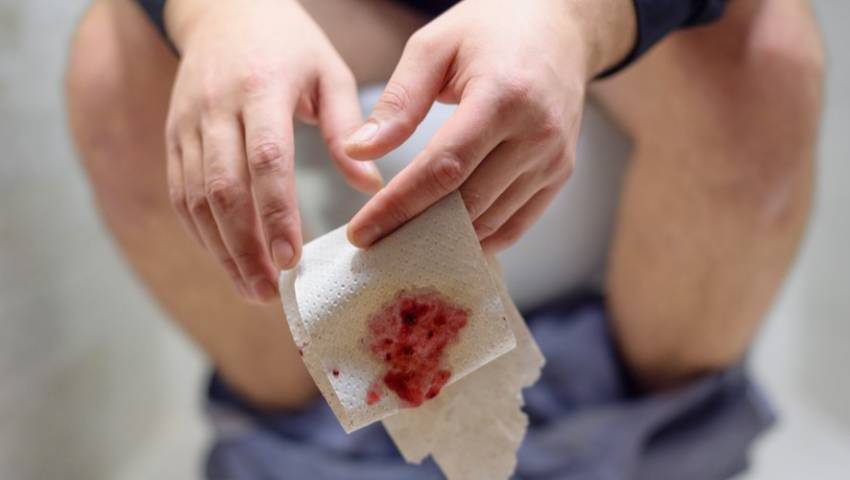
Never Ignore The Bleeding Piles

Hemorrhoids, usually known as piles, are a current condition affecting a significant portion of the population. India has one of the topmost rates of piles in the world, with around 11% of the population affected. This condition is more common in metro areas and among men than women, with the trouble adding with time. Hemorrhoids can prompt varying stages of discomfort and pain, from mild irritation to harsh bleeding. This blog, written by Dr. N. Subrahmaneswara Babu, a leading gastroenterologist in Hyderabad, provides a complete overview of hemorrhoids, their causes, symptoms, and a range of treatment options, both non-surgical and surgical.

What are hemorrhoids?

Hemorrhoids, or piles, are blown veins in the lower rectum or anus. They can be internal( inside the rectum) or external( under the skin around the anus).

What causes piles?

  • Straining During Bowel Movements
  • Prolonged Sitting
  • Pregnancy
  • Obesity
  • Low-Fiber Diet

Why do hemorrhoids bleed?

Bleeding occurs when the surface of the hemorrhoid is damaged, usually due to straining during bowel motions or discord from passing coprolite. According to piles specialist in Hyderabad, Dr. N. S. Babu, internal hemorrhoids may bleed without causing pain, while external hemorrhoids can cause significant discomfort and visible bleeding.

Medical management of Piles:

Non-Surgical Treatments:

  • Dietary Adjustments: Increase fiber input with fruits, vegetables, and whole grains; drink plenty of water.
  • Topical Treatments: Use untoward creams, ointments, and suppositories containing hydrocortisone or witch hazel.
  • Oral Medications: Pain relievers like acetaminophen or ibuprofen; coprolite softeners to ease bowel movements.

Minimally Invasive Procedures:

  • Rubber Band Ligation: This procedure involves placing a small rubber band around the base of an internal hemorrhoid. The band cuts off the blood flow, causing the hemorrhoid to shrink and fall off after a few days.
  • Sclerotherapy: A chemical solution is fitted into the hemorrhoid, causing it to condense and ultimately wilt down. This technique is generally utilized for internal hemorrhoids.
  • Infrared Coagulation: Infrared light is utilized to coagulate( clot) the race vessels in the hemorrhoid, leading to its shrinkage. This method is effective for treating internal hemorrhoids.

Surgical Options:

Hemorrhoidectomy:

  • Procedure: This surgery involves the removal of the hemorrhoids through varied ways, similar to excision or laser. It’s generally recommended for severe cases or when other treatments have failed.
  • Recovery: It can involve a longer reclamation period with possible pain and discomfort, but it’s much more effective for persistent hemorrhoids.

Stapled Hemorrhoidopexy:

  • Procedure: This technique involves utilizing a stapling device to reposition the hemorrhoid inside the rectum and staple it in position. This reduces blood flow to the hemorrhoid, causing it to shrink.
  • Recovery: It usually has a quicker reclamation time compared to traditional hemorrhoidectomy, with less postoperative pain.

Hemorrhoids can greatly impact your comfort and well-being, but effective treatment options are accessible. For personalized care and improved treatment, consult Dr. N. Subrahmaneswara Babu, a renowned specialist in piles treatment in Hyderabad. With his extensive experience and patient-focused path, Dr. N. S. Babu offers both non-surgical and surgical solutions acclimatized to your requirements. Do not allow hemorrhoids to affect your quality of life — book an appointment with Dr. N. Subrahmaneswara Babu today to receive expert diagnosis and compassionate care.
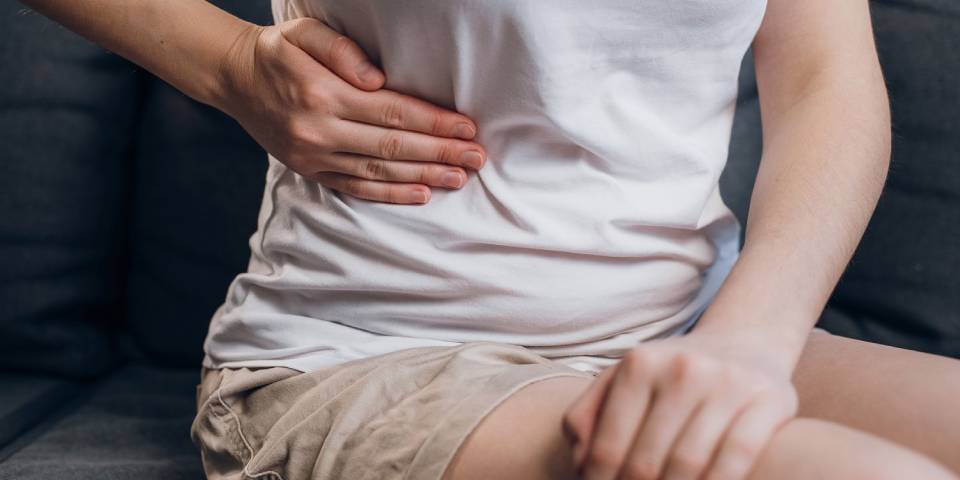
Signs You Might Have Appendicitis What You Need to Know

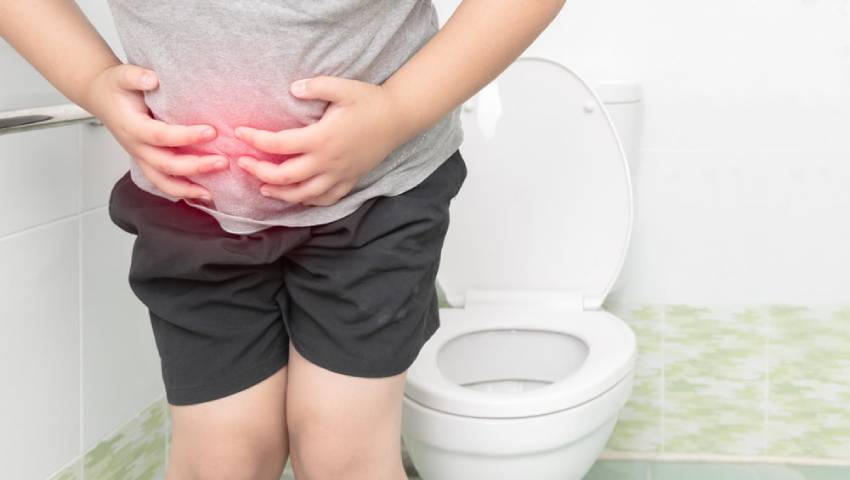
Appendicitis is a common and potentially serious condition where the appendix becomes lit and filled with pus. In India, it affects roughly 0.34% of school-age children and 0.25% of grown-ups, most commonly between ages 10 and 30. Dr. N Subrahmaneswara Babu provides the best appendix surgery in Hyderabad, highlighting the significance of recognizing its signs and seeking prompt medical concentration to prevent complications like appendiceal rupture. This guide covers its reasons, symptoms, and steps for timely intervention to ensure the best outcomes.

What is Appendicitis?

Appendicitis is a condition where the appendix, a delicate pouch attached to the large intestine, becomes lit and filled with pus. This can happen to anyone, but it’s most common in people between the ages of 10 and 30. Understanding the signals of appendicitis and knowing what steps to take can make a significant difference in preventing complications.

Behind Appendicitis:

The exact cause of appendicitis is not always clear, but it frequently occurs when the appendix becomes blocked by coprolite, a foreign body, or cancer. Sometimes, an infection in the body can cause the appendix to swell in response. When the appendix is blocked, bacteria inside it multiply rapidly, causing the appendix to become lit, blown, and filled with pus.

Signs of Appendicitis:

Recognizing the signs of appendicitis is crucial for timely treatment. Here are the most common symptoms:

  • Abdominal Pain
  • Loss of Appetite
  • Nausea and Vomiting
  • Swelling in the Abdomen
  • Fever
  • Inability to Pass Gas
  • Changes in Bowel Habits

Treating appendicitis:

Seek immediate medical attention, If you suspect appendicitis. Here’s what you can expect.Dr. N Subrahmaneswara Babu, a leading laparoscopic surgeon in Hyderabad.

  • Diagnosis: Dr. Babu or a healthcare provider will carry out a physical test and may order blood experiments, urine tests, and imaging tests similar to an ultrasound or CT scan to confirm appendicitis.
  • Surgery( Appendectomy): In most cases, an appendectomy( surgical removal of the appendix) is the best course of action to prevent the appendix from bursting. sometimes, antibiotics may be utilized to treat the infection, but there is a trouble of reoccur within a year ranging from 15 to 41.
  • Minimally Invasive Techniques: Dr. Babu specializes in performing appendectomies utilizing minimally invasive methods that reduce troubles and shorten reclamation times. Laparoscopic surgery involves making many slight lacerations through which a laparoscope and technical instruments are utilized to remove the appendix.
  • Benefits: The use of small lacerations significantly reduces contributory tissue damage and minimizes blood loss. As a result, the recovery period is important shorter compared to traditional surgery, with only a many small incisions required.
  • Recovery: After an appendectomy, most people recover fast. It’s essential to follow the doctor’s instructions on activity level and diet during the recovery period.

If you suspect appendicitis, prompt medical attention is crucial to avoid complications like appendiceal rupture. Dr. N Subrahmaneswara Babu, a distinguished surgical gastroenterologist in Hyderabad, specializes in effective treatment, including minimally invasive appendectomies for quick recovery. Book your appointment today for expert care that prioritizes your digestive health and well-being.

Why Constipation mostly occur in Mens?

Constipation is a popular issue in India, characterized by slowed digestion, irregular bowel movements( lower than three times per week), and hard, tough-to-pass droppings. It can manifest as acute or habitual; acute constipation appears suddenly with conspicuous symptoms, while habitual constipation develops gradually and persists for months or even years. Currently, men tend to witness constipation more constantly than women due to factors like stress, weak pelvic floor muscles, prostate blow up or cancer, and trauma. However, constipation can significantly reduce the quality of life, leading to physical and internal discomfort, If left untreated. Still, several effective treatment techniques are available to prevent and manage constipation. Before talking about these treatments, let’s explore the common causes of constipation under the guidance of Dr. N Subrahmaneswara Babu, a leading Surgical Gastroenterologist in Hyderabad, who can give expert guidance on managing this condition.

What causes constipation in men?

  • Low Fiber Intake: One of the primary reasons for constipation in men is a low input of dietary fiber. Fiber is pivotal for maintaining regular bowel movements as it adds bulk to the coprolite and helps it pass through the digestive system more smoothly. multiple men tend to consume diets that are high in protein and low in fiber, similar to meat-heavy diets, which can contribute to constipation.
  • Less Water Intake: Hydration plays a significant part in digestion. Drinking enough water helps to soften the coprolite, making it easier to pass. Men frequently neglect their water intake, either due to busy schedules or simply forgetting to drink enough throughout the day. Dehydration can lead to hard, dry droppings that are tough to pass, resulting in constipation.
  • Less Physical Activity: A sedentary lifestyle is another common cause of constipation in men. Regular physical exercise helps to stimulate intestinal function and promotes regular bowel movements. Men who spend long hours sitting at offices, driving, or engaging in minimum physical exertion are more likely to witness constipation.
  • Lifestyle Modifications: Various lifestyle factors can contribute to constipation in men. These include:
    • Unhealthy Habits: Irregular eating habits, high consumption of reused foods, and shy fruit and vegetable input can disrupt bowel frequency.
    • Stress and Anxiety: Stress can affect the digestive system, decelerating bowel movements and leading to constipation.
    • Medications: Certain medicines, including painkillers and antidepressants, can affect constipation as a side effect.
  • Resisting the Need to Poop: Ignoring the appetite to have a bowel movement can lead to constipation. Men frequently delay going to the washroom due to work commitments, lack of access to clean restrooms, or simply due to embarrassment. Regularly ignoring the body’s signals can cause coprolite to become harder and more delicate to pass.

Prevention is Possible:

Constipation in men is both preventable and treatable with a few key lifestyle changes. Increase fiber input by eating more fruits, vegetables, entire granules, and legumes, aiming for 2 to 3 servings of fruit and 3 to 4 half-bowls of vegetables daily, while choosing high-grittiness cereals like entire grain rice, oats, and entire wheat bread, and limiting red flesh, racy foods, and dairy productions. Stay doused by drinking plenitude of water, soup, and fruit juice, and be involved in regular physical exertion, like walking, jogging, or cycling, to stimulate the intestines and promote chronicity. Establish a routine with symphonious meal times and bowel habits, and respond incontinently to the appetite to go to the bathroom. These simple changes can effectively take and prevent constipation, comforting better digestive health and altogether well-being

Prevent and manage constipation in men with simple lifestyle changes: increase fiber intake, stay hydrated, be active, and establish a regular bowel routine. Dr. N.S. Babu offers the best constipation treatment in Hyderabadfor personalized care. Reduce your risk and improve your digestive health by booking an appointment with Dr. Babu.

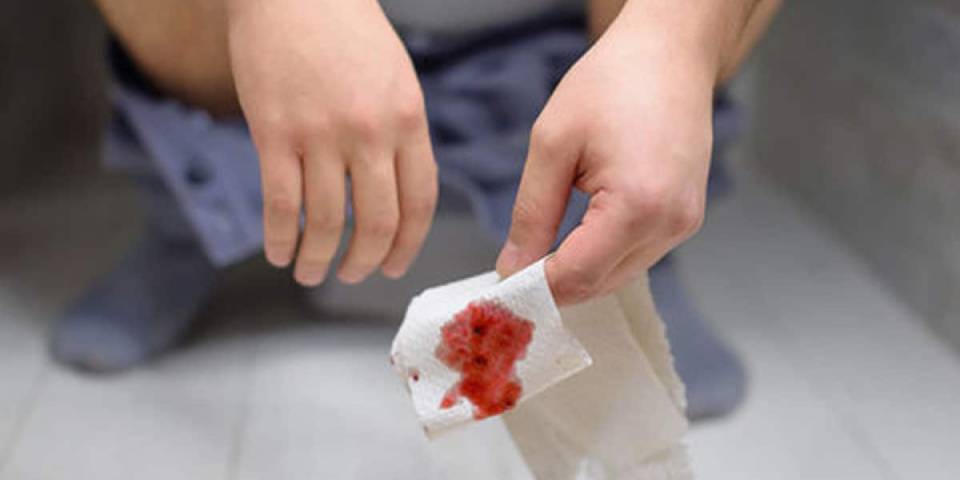
Reasons in Blood Stool Causes, Concerns, and Prevention

Blood in the stool, though frequently alarming, can be a symptom of many beginning health conditions, ranging from minor issues to serious conditions. Understanding the implicit causes, knowing when to seek medical concentration, and executing precautionary measures are vital aspects of managing this symptom. In this complete guide, with insights from Dr. N Subrahmaneswara Babu, a leading Surgical Gastroenterologist in Hyderabad, we’ll explore the common reasons for blood  stool, address concerns associated with this symptom, and give practicable tips for prevention.

What can blood in the stool mean for my health?

Blood in the stool, also known as rectal bleeding or hematochezia, can indicate various health effects, ranging from minor to tough. The presence of blood in the coprolite should invariably be estimated by a healthcare professional to determine the carrying cause.

Conditions that may cause blood in stool:

Here is a list of conditions that may cause blood in the stool, as explained by Dr. N Subrahmaneswara Babu:

  • Hemorrhoids: Swollen blood vessels in the rectum or anus can conduct bleeding, especially during bowel motions.
  • Anal Fissures: Small slits in the anus filling, frequently due to passing hard droppings, can affect bleeding and pain during bowel motions.
  • Diverticular Disease: Sacks in the colon wall can grow riled or infected, causing bleeding.
  • Inflammatory Bowel complaint( IBD) Conditions like Crohn’s complaint and ulcerative colitis can prompt bleeding, along with symptoms like diarrhea and abdominal pain
  • Colorectal Polyps or Cancer: Polyps or cancer in the colon or rectum can cause bleeding, along with changes in bowel patterns and weight loss.
  • Gastrointestinal Infections: Infections can beget inflammation and ulcers in the digestive tract, performing in blood in the coprolite.
  • Peptic Ulcers: Ulcers in the stomach or small intestine can prompt bleeding, constantly due to factors like. pylori infection or NSAID use.
  • Angiodysplasia: Abnormal blood vessels in the gastrointestinal region can affect intermittent bleeding and result in blood in the stool.

These conditions are categorized from relatively benign to more serious and may bear nonidentical diagnostic and medicinal approaches. However, it’s important to consult a healthcare provider for an accurate opinion and applicable treatment, If you witness blood in your stool.

When to Be Worry About Blood in Stool:

Colorectal Surgeon in Hyderabad, Dr.N.S. Babu advises that while noticing blood in your coprolite can be intimidating, it’s pivotal to assess the situation carefully. Here are signs indicating you should seek medical attention:

  • Large Amounts of Blood If you observe significant bleeding or bulky blocks in your stool, it’s important to seek medical help immediately.
  • Persistent Bleeding Nonstop or recurrent bleeding should be estimated by a healthcare professional.
  • Associated Symptoms If you witness more symptoms like austere abdominal pain, unexplained weight loss, fever, or changes in bowel patterns, it’s essential to consult a doctor.
  • Dark, Tarry Stools This can indicate bleeding advanced up in the gastrointestinal region and should be investigated instantly.

If you notice any of these signs, don’t hesitate to reach out to your healthcare provider. Ignoring blood in the stool can delay the diagnosis and treatment of underlying conditions.

Prevention Strategies for Blood in Stool:

  • Maintain a healthy, fiber-rich diet.
  • Stay doused by drinking enough water.
  • Engage in regular physical exertion.
  • shake straining during bowel motions.
  • Respond instantly to the appetite to have a bowel motion.
  • Be conservative with drugs that can affect bleeding.
  • Follow guidelines for colorectal cancer screening.

Don’t overlook rectal bleeding. Seek expert care from Dr. N Subrahmaneswara Babu, a renowned Gastroenterologist specializing in rectal bleeding treatment in Hyderabad. With over 15+ years of experience, Dr. Babu provides personalized care for gastrointestinal conditions. Book an appointment at EVOKE Clinics or Apollo Hospitals today to begin your journey towards better gastrointestinal health. Your well-being is our top priority.

15 Simple ways to reduce Bloating

Bloating, a common and uncomfortable feeling, can cause your stomach to feel blown, tight, and sometimes painful. While occasional bloating is normal, habitual bloating might signal a beginning issue. Factors similar to redundant gas products, poor digestion, specific foods and drinks, stress, hormonal changes, and medical conditions can all contribute to bloating. Fortunately, there are simple ways to reduce bloating and enhance comfort. Dr. N. S. Babu, the best gastrologist in Hyderabad, explores 15 easy techniques in this article, including taking a walk, trying yoga acts, using peppermint capsules, massaging your stomach, and more, to give quick relief and prevent bloating in the future.

Why Am I So Bloated?

Feeling bloated is a common and uncomfortable sensation that can make your stomach feel tight, blown, and occasionally even painful. Bloating is frequently caused by redundant gas production or disturbances in the movement of the muscles of the digestive system. Common reasons for bloating include eating too presto, consuming carbonated drinks, or certain foods that can affect gas. Stress, hormonal changes, and certain medical conditions can also contribute to bloating.

15 simple and effective ways to reduce bloating:

Here are 15 simple and effective ways to reduce bloating and feel more comfortable

  1. Take a walk: Taking a tardy turn can stimulate your digestive system and help remove gas through your bowel, reducing bloating. Aim for a 10- 15 minute walk after feeds to ease discomfort. Walking is a simple yet operative expressway to reduce bloating. By moving your body, you stimulate the digestive muscles, inciting the operative motion of gas and other digestive contents through your bowel.
  2. Try yoga poses: Certain yoga acts, such as the child’s pose, happy baby pose, and reclining twist, can support assuage gas and bloating. These acts support to stretch and massage of your abdominal organs, promoting the release of trapped gas.
  3. Use peppermint capsules: Peppermint oil has long been used as a natural remedy for digestive effects, involving bloating. Peppermint capsules are an operative way to take advantage of the benefits of peppermint oil, as they help to relax the muscles in your digestive region and can give quick relief from bloating and discomfort.
  4. Massage your abdomen: Abdominal massage is an easy and operative way to relieve bloating and enhance digestion. By gently massaging your belly, you can stimulate the digestive muscles, promote gas stir, and reduce discomfort. To achieve the massage, gently remove your grasp in a circular stir starting from your right hip, moving up towards your ribs, across your stomach, and down the left side. This method helps to stimulate your digestive system and release caught-up gas.
  5. Take a warm bath: A warm bath can be a comforting and operative way to assuage bloating. The heat from the water relaxes your abdominal muscles and improves rotation, which can palliate discomfort and reduce bloating. also, it helps reduce pressure, a common contributor to bloating. Adding Epsom salts to the bath can enhance the relief by drawing out redundant water from your body.
  6. Drink plenty of water Staying hydrated is pivotal for precluding bloating. Water helps to keep your digestive system moving easily and can help flush out redundant sodium, which can affect water retention and bloating.
  7. Avoid carbonated drinks: To reduce bloating, it’s wise to avoid carbonated drinks. These drinks contain gases that can get trapped in your digestive system, causing discomfort and bloating. rather, conclude with still water or herbal teas, which can keep you doused without introducing another gas.
  8. Put down the straw: Drinking drinks through a straw can introduce redundant air into your digestive system, potentially leading to bloating. rather, sip your drink directly from a mug or glass to reduce the volume of air you swallow, which can help prevent bloating.
  9. Eat at regular intervals: Eating at regular intervals can help prevent bloating by keeping your digestive system on a compatible schedule. Skipping meals or eating large feeds rarely can lead to overeating, poor digestion, and bloating. rather, aim to eat lower, balanced meals throughout the day to keep your digestive system running easily.
  10. Take gas relief capsules: Over-the-counter gas relief capsules, like those containing simethicone, can effectively disperse gas bubbles within your digestive tract, offering nippy relief from bloating. These capsules work by breaking down gas bubbles, easing their passage through your system.
  11. Cut down on salt: Reducing salt consumption can palliate bloating since plenty of sodium in your diet frequently results in water retention and posterior bloating. High-sodium foods cause your body to hold onto water, causing discomfort and bloating. By cutting back on salt input, you can palliate water retention and the associated bloating. Aim to limit salt input by routing clear of reprocessed foods and hesitate from adding extra salt to your food.
  12. Consider a low-FODMAP diet: Considering a low-FODMAP diet may support palliate bloating, especially if you witness digestive discomfort related to certain fermentable carbohydrates. FODMAPs are short-chain carbohydrates that can rise in the gut, leading to gas production and bloating in some individuals. By following a low-FODMAP diet, you can reduce your input of these carbohydrates and potentially palliate bloating.
  13. Take a Probiotic: Probiotics are profitable bacteria that can balance your gut foliage and reduce bloating. They are set up in accruals or fermented foods like yogurt, sauerkraut, and kimchi. Taking a probiotic supplement can palliate bloating by repairing the natural balance of bacteria in your gut, perfecting digestion, and reducing discomfort.
  14. Avoid chewing gum: Chewing gum can result in swallowing excess air, which can lead to bloating and gas. To freshen your breath without this risk, consider sucking on a mint instead. Avoiding gum chewing can reduce the air swallowed and help alleviate bloating.
  15. Replace sodas with water: Switching from sodas to water can alleviate bloating caused by carbonation and excess sugar. Water is a hydrating and gentle choice that supports digestive health and reduces bloating. Sodas and other sticky drinks can lead to bloating due to their high sugar content and carbonation. concluding for water rather can help reduce bloating and maintain hydration.

By following these straightforward tips, you can alleviate bloating and promote improved digestive health. Remember to listen to your body and adapt these practices as necessary to suit your needs. To receive personalized advice and guidance, schedule an appointment with Dr. N Subrahmaneswara Babu for best bloating treatment in Hyderabad