A small swelling or bulge in the abdomen or groin may not seem serious at first. Many people ignore it, thinking it is due to gas, muscle strain, or weight gain. However, in some cases, this swelling could be a hernia, and if the intestine gets trapped inside the hernia sac, it may lead to a dangerous condition called an obstructed hernia.
An obstructed hernia can block the normal movement of food and fluids in the intestine. If not treated early, it may lead to severe complications and require emergency surgery.
At Hills Gastro & Onco Care, Dr. N. Subrahmaneswara Babu, a Best Surgical Gastroenterologist in Hyderabad, provides advanced diagnosis and safe treatment for different types of hernias, including complicated cases.
This guide explains the warning signs of an obstructed hernia and why you should never ignore them.
What Is an Obstructed Hernia?
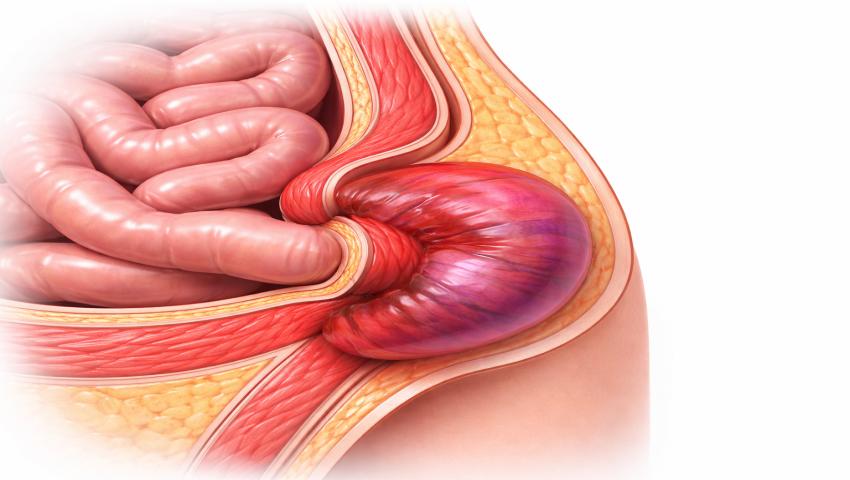
A hernia occurs when an internal organ or tissue pushes through a weak spot in the surrounding muscle. In many cases, the hernia bulge can move back into the abdomen when you lie down or press it gently.
However, an obstructed hernia occurs when a part of the intestine becomes trapped inside the hernia sac and cannot return to its normal position. This leads to a blockage in the intestine.
Key points:
- The intestine becomes stuck inside the hernia sac.
- The normal movement of food through the intestine gets blocked.
- It may cause severe abdominal symptoms.
- If untreated, it can progress to a strangulated hernia, where the blood supply to the intestine is cut off.
This condition requires urgent medical attention.
Common Warning Signs of an Obstructed Hernia:
Recognizing the symptoms early can help prevent serious complications.
- Persistent Pain in the Hernia Area: One of the earliest signs is continuous pain around the hernia bulge. The pain may increase when standing, coughing, or lifting objects.
- A Bulge That Cannot Be Pushed Back: In a normal hernia, the swelling may go back when lying down. In an obstructed hernia, the lump becomes hard and difficult to push back.
- Nausea and Vomiting: When the intestine is blocked, patients may experience nausea or repeated vomiting.
- Abdominal Swelling and Bloating: The stomach may feel swollen due to the blockage inside the intestine.
- Constipation or Difficulty Passing Gas: An obstructed hernia can stop the normal movement of the bowel, leading to constipation or inability to pass gas.
- Redness or Tenderness Around the Bulge: The skin over the hernia may become red, swollen, or extremely painful.
If you notice any of these symptoms, seek medical help immediately.
What Causes an Obstructed Hernia?
Many factors can increase pressure inside the abdomen and lead to hernia complications.
Common causes include:
- Heavy Lifting: Lifting heavy objects without proper support can weaken abdominal muscles.
- Chronic Cough: Continuous coughing puts pressure on the abdominal wall.
- Constipation: Straining during bowel movements can worsen hernias.
- Obesity: Excess body weight increases pressure inside the abdomen.
- Previous Surgery: Weakness in the abdominal wall after surgery can lead to hernias.
Over time, these factors can cause a simple hernia to become obstructed.
How Is an Obstructed Hernia Diagnosed?
Diagnosis usually begins with a physical examination.
When you visit Dr. N. Subrahmaneswara Babu, he will carefully evaluate the swelling and your symptoms.
Diagnosis may include:
- Physical Examination: The doctor checks the bulge and may ask you to cough or strain to observe changes.
- Ultrasound Scan: Helps identify trapped tissue inside the hernia.
- CT Scan: Used in complicated cases to check the severity of the obstruction.
Early diagnosis helps prevent serious complications.
Why Obstructed Hernia Should Not Be Ignored?
Many people delay treatment because the swelling is small or painless in the beginning. However, ignoring a hernia can lead to dangerous complications.
- Risk of Strangulated Hernia: If the trapped intestine loses its blood supply, it becomes a strangulated hernia, which can damage the intestine.
- Severe Infection: Untreated obstruction can cause infection in the abdominal cavity.
- Emergency Surgery: Delaying treatment increases the chance of emergency surgery and longer recovery.
Seeking timely treatment from the Best Hernia Specialist in Hyderabad can help avoid these risks.
Treatment Options for Obstructed Hernia:
Treatment depends on the severity of the condition. In most cases, surgery is required to repair the hernia and release the trapped intestine.
At Hills Gastro & Onco Care, advanced surgical techniques are used to ensure safe and effective treatment.
- Open Hernia Surgery: A small incision is made over the hernia. The trapped tissue is returned to its normal position, and the muscle wall is repaired.
- Laparoscopic Hernia Surgery: This is a minimally invasive method where small cuts are made in the abdomen. A camera and special instruments are used to repair the hernia and place a mesh to strengthen the weak area.
Patients needing Complex Hernia Treatment in Hyderabad often benefit from these advanced techniques, which help reduce pain and improve recovery.
An experienced Hernia Surgeon in Hyderabad can recommend the most suitable surgical approach depending on the patient’s condition.
Recovery After Hernia Surgery:
Modern hernia surgery allows faster recovery for most patients.
What to expect after surgery?
- Hospital Stay: Usually discharged within 24 hours.
- Pain: Mild discomfort around the incision site.
- Return to Work: Many patients return to normal activities within a few days.
- Lifestyle Care: Avoid heavy lifting during the recovery period.
Following the doctor’s advice helps ensure a smooth recovery.
When Should You See a Doctor?
You should consult a doctor immediately if you notice:
- A painful lump in the abdomen or groin
- Sudden increase in hernia size
- Vomiting or nausea with abdominal pain
- A bulge that cannot be pushed back
- Redness or severe tenderness near the swelling
Early evaluation can prevent complications and emergency situations.
Key Takeaways:
An obstructed hernia is a serious condition that should never be ignored. Symptoms such as persistent pain, nausea, abdominal swelling, or a hard bulge may indicate that the intestine is trapped inside the hernia.
Early diagnosis and treatment can prevent life-threatening complications.
At Hills Gastro & Onco Care, Dr. N. Subrahmaneswara Babu, a highly experienced surgical gastroenterologist with 18 years of experience, provides expert care for different types of hernias using modern surgical techniques.
If you notice a hernia bulge or sudden abdominal pain, do not delay medical care. Early treatment can protect your health and prevent emergencies.
Stop ignoring the warning signs. Get expert evaluation today and take the first step toward safe recovery.