Can Hemorrhoids Be Treated Without Surgery?

Are you suffering from pain, itching, or bleeding during bowel movements? You are not alone. Hemorrhoids, commonly known as piles(Bawasir), affect millions of people, yet many suffer in silence due to embarrassment or the fear of surgery.

The most common question patients ask at Hills Gastro & Onco Care is: “Doctor, can I get rid of piles without an operation?” The good news is that surgery is not always necessary. In fact, nearly 80% to 90% of hemorrhoid cases can be treated with medication, lifestyle changes, and non-invasive office procedures.

Dr. N. Subrahmaneswara Babu, a leading Surgical Gastroenterologist in Hyderabad and Consultant at Apollo Hospital, explains that with early detection, you can effectively shrink hemorrhoids and stop the bleeding. This guide covers the best medicine for hemorrhoids, home remedies, and non-surgical treatments to help you get your life back.

What Are Hemorrhoids? (Internal vs External)

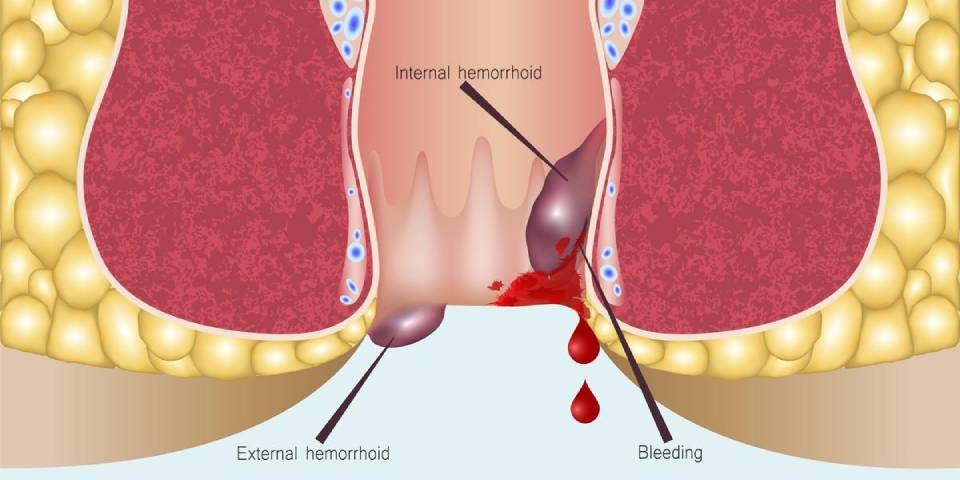
Before discussing how to cure hemorrhoids, it is important to understand what type you have. Hemorrhoids are swollen veins in your lower rectum and anus, similar to varicose veins.

Internal Hemorrhoids

These are located inside the rectum. You usually cannot see or feel them.

  • Symptoms: They are often painless but result in bleeding hemorrhoids during bowel movements. You might see bright red blood on the tissue or in the toilet bowl.
  • Prolapse: In severe cases, they may push through the anal opening (prolapsed hemorrhoid), causing pain and irritation.
External Hemorrhoids

These are under the skin around your anus.

  • Symptoms: These are the most uncomfortable. They cause itching, swelling, and severe pain.
  • Complication: If blood pools in an external hemorrhoid and forms a clot (thrombosed hemorrhoid), it causes severe, sudden pain and a hard lump near the anus.

Can Hemorrhoids Go Away Without Treatment?

Many patients ask, “Will hemorrhoids go away on their own?”
The answer is yes and no. Small, mild hemorrhoids may clear up on their own within a few days if you stop straining and eat a high fiber diet. However, chronic or large piles rarely disappear without some form of intervention.

If left untreated, they can worsen, leading to excessive bleeding (anemia) or becoming strangulated (cutting off blood supply). Self-treat hemorrhoids early to prevent them from becoming a surgical case.

How to Treat Hemorrhoids Without Surgery (Best Options)

If you are looking for how to get rid of piles naturally and medically, Dr. N. Subrahmaneswara Babu expert piles specialist in Hyderabad recommends a multi-step approach.

1. Home Treatment for Hemorrhoids

Home remedies for piles are the first line of defense.

  • Sitz Baths: Soaking your bottom in warm water for 15 minutes, 2-3 times a day, is the best at-home hemorrhoid remedy. It relaxes the sphincter muscle and boosts blood flow to heal hemorrhoids fast.
  • Cold Compresses: Apply ice packs or cold compresses to the anus to reduce hemorrhoid swelling and numb the pain.
  • Don’t Scratch: Itching is common, but scratching damages the skin and worsens the problem.
2. Diet Changes That Shrink Hemorrhoids

The root cause of piles is usually constipation. If you fix your digestion, you fix the piles.

  • Eat Fiber-Rich Foods: A high fiber diet for hemorrhoids (fruits, vegetables, whole grains) softens the stool.
    Stay Hydrated: Drink at least 3-4 liters of water daily.
  • Fiber Supplements: If you can’t get enough from food, psyllium husk for hemorrhoids (Isabgol) is excellent for softening stool so you can poop without straining.

Best Medicines for Hemorrhoids (Without Surgery)

When home remedies aren’t enough, medical intervention helps. Dr. N. S. Babu often prescribes specific hemorrhoid drugs to manage symptoms.

Over-the-Counter (OTC) Hemorrhoid Medications
  • Creams and Ointments: Products containing hydrocortisone or lidocaine can temporarily relieve pain and itching. These are effective external hemorrhoid medicine.
  • Vasoconstrictors: Medicines that tighten blood vessels can help shrink hemorrhoids and reduce swelling.
  • Witch Hazel: Pads containing witch hazel provide immediate itch relief for hemorrhoids.
Prescription Medicines

For stubborn cases, a doctor may prescribe:

  • Stronger Steroid Creams: To reduce inflammation rapidly.
  • Stool Softeners: To prevent constipation and straining.
  • Oral Flavonoids: These tablets improve blood circulation and venous tone, helping to cure internal hemorrhoids from the inside.

Note: Always consult a specialist doctor for hemorrhoids before using steroid creams for more than a week, as they can thin the skin.

How to Stop Bleeding Hemorrhoids Without Surgery

Seeing blood in the toilet can be scary. To treat bleeding hemorrhoids:

  • Avoid Straining: This is the #1 rule. Straining forces the swollen veins to burst.
  • Keep the Area Clean: Gently pat the area with moist wipes or use a sitz bath. Avoid dry, rough toilet paper.
  • Topical Creams: Use creams specifically designed to coat the area and protect it during bowel movements.
  • Visit the Doctor: If bleeding continues for more than a couple of days, visit Hills Gastro & Onco Care. We need to rule out other causes like fissures or polyps.

How to Get Rid of External Hemorrhoids Without Surgery

External hemorrhoids can be very painful. To treat them:

  • Keep it dry: Moisture can irritate. After washing, gently pat the area dry.
  • Wear loose clothing: Tight underwear traps sweat and irritates the swelling.
  • Topical Analgesics: Use creams to numb the area before a bowel movement.
  • Thrombosis Management: If a painful clot forms, see a doctor immediately. While this sometimes requires a minor cut to drain the blood, it is a simple bedside procedure, not major surgery.

How to Treat Internal Hemorrhoids at Home

Since internal piles are inside, creams might not reach them effectively.

  • Suppositories: These are solid medicines inserted into the rectum. They melt and deliver medication directly to the internal hemorrhoid cure site.
  • Don’t Delay Pooping: When you feel the urge, go immediately. Holding it in makes the stool hard and the piles worse.
  • Squatty Potty: Using a stool to raise your legs while on the toilet changes the angle of the rectum, allowing for easier passage of stool without straining.

Fast Relief – How to Shrink Hemorrhoids Quickly

Patients often ask, “How to shrink hemorrhoids fast?” because the discomfort is unbearable.

  • Alternating Heat and Cold: Use a sitz bath followed by an ice pack.
  • Rest: Lie down with your hips elevated on a pillow to reduce pressure on the anal veins.
  • Anti-inflammatories: Taking NSAIDs (like Ibuprofen) can help reduce pain and swelling (consult your doctor first if you have bleeding).

Lifestyle Changes to Prevent Hemorrhoids From Coming Back

Treating them is one thing; preventing recurrence is another.

  • Weight Loss: Excess weight puts pressure on the pelvic veins.
  • Exercise: Regular walking helps keep bowels moving. Avoid heavy weightlifting (squats) if you have active piles.
  • Limit Time on Toilet: Do not read or scroll on your phone on the toilet. Sitting too long increases pressure on the anus.

Non-Surgical Medical Procedures for Hemorrhoids

If medicines and diet don’t work, Dr. N. Subrahmaneswara Babu offers non-surgical treatments for hemorrhoids at Hills Gastro & Onco Care. These are outpatient procedures (no hospital stay required).

  1. Rubber Band Ligation (RBL): The doctor places a small rubber band around the base of the internal hemorrhoid to cut off its circulation. The hemorrhoid withers and falls off within a week. This is the most effective non-surgical treatment.
  2. Sclerotherapy (Injection): A chemical solution is injected into the hemorrhoid tissue to shrink it. Best for smaller, bleeding piles.
  3. Infrared Coagulation (IRC): Uses heat to create scar tissue, cutting off the blood supply to the hemorrhoid.

When Non-Surgical Treatment Is NOT Enough

While we strive to eliminate hemorrhoids without surgery, an operation might be needed if:

  • You have Grade 3 or Grade 4 prolapsed hemorrhoids that cannot be pushed back in.
  • You have persistent, heavy bleeding leading to anemia.
  • Strangulated hemorrhoids (emergency condition).

In such cases, advanced options like Stapled Hemorrhoidopexy or Laser Hemorrhoid Surgery are available in Hyderabad, which are minimally invasive and offer quick recovery.

Final Thoughts – Is Surgery Always Necessary for Hemorrhoids?

No. Most patients can cure hemorrhoids treatment effectively with early medical intervention and lifestyle changes. You do not have to live with the pain.

At Hills Gastro & Onco Care, Dr. N. Subrahmaneswara Babu Gastroenterolgist in Hyderabad specializes in diagnosing and treating piles with the least invasive methods possible. His goal is to get you pain-free without the need for major surgery whenever possible.

Don’t wait for the pain to get worse. Book an Appointment Today with the best piles specialist near you at Hills Gastro & Onco Care.

Constipation & Anorectal Problems Understanding, Awareness, and Solutions by Dr. N.S. Babu

Constipation and anorectal problems are far more common than people realize, yet most hesitate to talk about them until the pain becomes unbearable. Conditions like chronic constipation, fissures, piles, and anorectal pain not only affect daily comfort but also disrupt sleep, appetite, and overall quality of life. In Hyderabad, many patients search for reliable information and expert guidance to understand why these issues occur and how to treat them safely.

With over 18+ years of surgical gastroenterology experience, Dr. N. Subrahmaneswara Babu, one of the leading specialists for constipation treatment in Hyderabad and ano-rectal pain treatment in Hyderabad, aims to spread awareness and provide practical, evidence-based solutions. This blog explains the causes, symptoms, and modern treatments available today—helping you recognize early warning signs and choose the right care. Whether you’re struggling with severe constipation, fissures, hemorrhoids, or unexplained anorectal pain, expert help is available, and recovery is absolutely possible.

Understanding Constipation and Anorectal Problems:

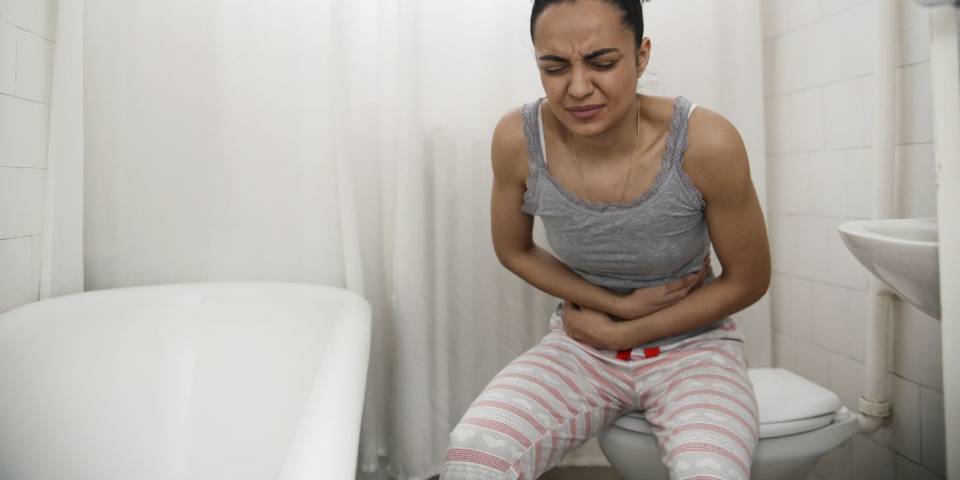
Constipation is more than just infrequent bowel movements. It often involves hard, dry stools that are difficult to pass, leading to pain and discomfort. When left untreated, constipation can contribute to more severe anorectal problems such as hemorrhoids, fissures, and rectal prolapse. Anorectal problems refer to conditions that affect the anus and rectum. These can include hemorrhoids (swollen blood vessels in the rectum), anal fissures (small tears in the lining of the anus), and anal fistulas (abnormal connections between the anus and the surrounding skin). Each condition requires specialized care, and addressing them early ensures a better outcome.

Why Constipation Awareness Matters?

December as Constipation Awareness Month provides an opportunity for individuals to learn about the importance of maintaining healthy bowel habits. Proper awareness helps prevent long-term complications and enhances overall well-being. Dr. N.S. Babu, a highly experienced Colorectal Surgeon in Hyderabad, emphasizes the significance of early diagnosis and timely intervention.

Causes and Symptoms of Constipation:

Several factors can contribute to constipation, including:

  • Poor Diet: Low fiber intake is a leading cause.
  • Dehydration: Not drinking enough water leads to hard stools.
  • Sedentary Lifestyle: Lack of exercise can slow down bowel movements.
  • Medications: Certain medications, such as pain relievers and antidepressants, may cause constipation.
  • Medical Conditions: Issues like hypothyroidism, diabetes, or irritable bowel syndrome (IBS) can lead to constipation.

Symptoms of constipation can range from fewer than three bowel movements per week to hard, lumpy stools, straining, and a feeling of incomplete evacuation.

Advanced Treatment for Anorectal Problems by Dr. N.S. Babu:

Dr. N.S. Babu is a trusted Colorectal Surgeon in Hyderabad, providing cutting-edge treatments for anorectal problems. He combines his extensive experience with a patient-centric approach to offer effective solutions. Whether it’s hemorrhoid surgery, fissure treatment, or managing complex colorectal conditions, Dr. N.S. Babu ensures the highest quality of care.

Expert Services Offered:

  • Advanced Laparoscopic Surgery: Minimally invasive procedures for quick recovery.
  • Hemorrhoid Management: Comprehensive care for all types of hemorrhoids.
  • Anal Fissure Treatment: Non-surgical and surgical options tailored to each patient.
  • Pelvic Floor Disorders: Specialized treatment to address complex pelvic issues.

Why Choose Us?

Dr. N.S. Babu and his team stand out in Hyderabad for several reasons:

  • Highly Experienced Specialist: Dr. N.S. Babu one of the Best Surgical Gastroenterologist in Hyderabad Over 18+ years of experience in treating colorectal conditions.
  • Advanced Techniques: Utilization of the latest laparoscopic and minimally invasive procedures.
  • Patient-Centric Care: Personalized care plans focused on individual patient needs.
  • Accessible Locations: Treatment provided at Hills Gastro & Onco Care and Apollo Hospital making expert care readily available.
  • Multilingual Communication: Fluent in English, Hindi, Tamil, and Telugu to serve a diverse patient base.
  • Modern Facilities: State-of-the-art equipment and advanced diagnostic tools.
  • Commitment to Patient Education: Emphasis on educating patients about preventive measures and lifestyle changes.

Preventive Measures for Constipation:

Prevention is often better than cure. Simple lifestyle changes can go a long way in managing and preventing constipation:

  • Increase Fiber Intake: Incorporate whole grains, vegetables, and fruits into your diet.
  • Stay Hydrated: Drink at least 8-10 glasses of water daily.
  • Exercise Regularly: Engage in physical activity to stimulate bowel function.
  • Respond to Urges Promptly: Avoid delaying when you feel the urge to have a bowel movement.
  • Limit Processed Foods: Reduce consumption of processed and fast foods.

Consult Dr. N.S. Babu Best Colorectal Surgeon in Secunderabad:

For those in Hyderabad or nearby areas, Dr. N.S. Babu is a top choice for anyone experiencing constipation or anorectal problems. His extensive training and empathetic approach ensure that patients receive not only expert surgical care but also thorough guidance on lifestyle adjustments to support long-term health. Dr. N.S. Babu provides treatment at Hills Gastro & Onco Care and Apollo Hospital. If you have any questions or need treatment, consulting him could be your first step toward improved health and well-being.

Conclusion:

Constipation and anorectal problems should not be ignored, as they can severely impact daily life. With December as Constipation Awareness Month, it is the ideal time to prioritize digestive health. For expert care in Hyderabad, Dr. N.S. Babu stands out as a trusted Colorectal Surgeon. His experience, compassionate approach, and modern techniques make him a top choice for those seeking relief from these conditions.

Don’t let constipation or anorectal problems control your life. Consult Dr. N.S. Babu today for comprehensive and compassionate care in Hyderabad.

What Are The Steps To Reduce Heartburn, Gas Or Indigestion

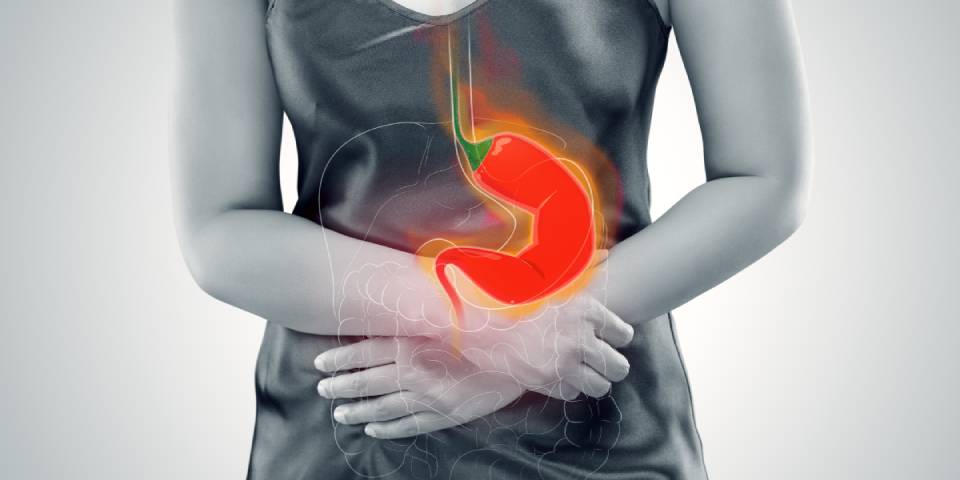
Digestive discomforts like heartburn, gas, and indigestion can impact your daily life, making meals less enjoyable and sometimes even causing pain. In fact, about 32% of adults in India experience these symptoms regularly. Whether it’s the burning sensation of acid reflux, bloating from gas, or the uneasiness of indigestion, these issues are all too common. Dr. N. Subrahmaneswara Babu, a gastroenterologist in Hyderabad, emphasizes that simple lifestyle and dietary adjustments can effectively manage and even prevent gastrointestinal symptoms.

Let’s see,

10 steps To Reduce Heartburn, Gas Or Indigestion:

  1. Eat Lower, More Frequent Meals: Large meals can put stress on your digestive system, frequently driving heartburn and gas. Rather, try eating lower portions more constantly throughout the day.
  2. Chew Thoroughly and Eat Slowly: When you eat rapidly, you tend to swallow further air, leading to gas and bloating. Chewing your food completely also aids digestion, reducing the likelihood of heartburn.
  3. Limit Spicy, Adipose, and Acidic Foods: Foods like fried items, spicy dishes, and acidic foods( like citrus and tomatoes) are known to worsen heartburn. Conclude for milder, lower-fat options, especially if you’re prone to digestive issues.
  4. Avoid Carbonated Beverages and Gum: Carbonated drinks and chewing gum can increase the amount of air swallowed, leading to gas buildup. Replace soda with water or herbal tea, which can be gentler on your stomach.
  5. Stay Doused, But Avoid Drinking Too important With Meals: Drinking water throughout the day keeps digestion running smoothly, but consuming too much liquid during meals can dilute stomach acids, slowing digestion and leading to indigestion.
  6. Don’t Lie Down After Eating: If you lie down immediately after eating, it increases the risk of acid reflux. Try waiting at least two to three hours before lying down, and when you do, elevate your upper body slightly to help prevent acid from moving up your esophagus.
  7. Exercise Regularly but Avoid After Meals: Regular physical activity helps enhance digestion and prevents gas and bloating. However, violent exercise right after eating can disrupt digestion, so wait a little before engaging in any vigorous activity.
  8. Watch for Trigger Foods and Keep a Food Diary: Everyone’s digestive system reacts differently to foods, so keeping a diary can help identify specific triggers for your heartburn, gas, or indigestion. Once identified, you can limit or avoid these foods for better digestion.
  9. Try Herbal Remedies Like Ginger or Peppermint Tea: Ginger is known to ease nausea and support digestion, while peppermint tea can help reduce bloating and gas. However, peppermint might worsen heartburn, so use it with caution if you’re prone to acid reflux.
  10. Practice Relaxation Techniques: Stress can have a significant impact on your digestive system. Incorporate techniques like deep breathing, meditation, or yoga to relax your mind and body, which may help reduce symptoms of indigestion.

Digestive discomforts like heartburn, gas, and indigestion don’t have to be part of your daily life. By following these simple lifestyle changes, you can improve your digestive health and feel more at ease. However, if these issues persist, it may be time to seek expert care. Dr. N. Subrahmaneswara Babu provides the best GERD treatment in Hyderabad and specializes in diagnosing and treating a wide range of digestive disorders with personalized and effective results. Take the first step towards better digestive health and book an appointment with Dr. N.S. Babu today for a professional consultation and a customized treatment plan.

9 Expert’s Tips for IBS Pain Relief

If you are searching for IBS pain relief, how to relieve IBS pain fast, or simple IBS relief tips, you’re not alone. Many people in India struggle with Irritable Bowel Syndrome, a condition that causes stomach cramps, bloating, sudden gas, and unpredictable bowel habits. IBS pain can interrupt daily life, work, and even sleep, making many wonder “what helps IBS pain?” or “how to ease IBS pain instantly?” The good news is that the right habits can make a big difference.

Dr. N. Subrahmaneswara Babu, one of the Best Surgical Gastroenterologists in Hyderabad, shares expert, practical advice to help reduce IBS pain naturally. These tips are simple to follow and can support long-term IBS pain management, helping you handle flare-ups with confidence. Whether you’re looking for fiber IBS tips, pain relief for IBS sufferers, or guidance on how to reduce IBS pain, these expert-backed suggestions can help you regain control over your gut health and feel better every day.

Let’s see,

Tips to Manage IBS:

  • Follow a High-Fiber Diet: Fiber can help reduce IBS symptoms, especially constipation. Add fruits, vegetables, and whole grains to your diet gradually. However, some IBS patients are sensitive to high fiber, so introduce fiber slowly to see what works for you.
  • Stay Hydrated: Drink plenty of water every day. Staying doused helps digestion and reduces bloating, which is common in IBS patients. Avoid sticky or carbonated drinks, as they can make IBS symptoms worse.
  • Avoid Trigger Foods: Certain foods, like racy dishes, caffeine, dairy, and processed foods, can activate IBS symptoms. Try keeping a food diary to identify and avoid foods that worsen your symptoms.
  • Practice Mindful Eating: Eating too quickly or not chewing food well can worsen IBS symptoms. Eat slowly, bite your food completely, and avoid eating when you are stressed, as stress can trigger IBS.
  • Incorporate Probiotics: Probiotics, frequently called “ good bacteria, ” can aid digestion and reduce symptoms like gas and bloating. You can find probiotics in yogurt or as supplements, which can be helpful for IBS patients.
  • Exercise Regularly: Physical activity improves digestion and reduces stress, which is linked to IBS. Try activities like walking, yoga, or swimming, which are gentle on the body and promote digestive health.
  • Manage Stress: IBS and stress are closely related. Practicing relaxation methods similar to meditation, deep breathing exercises, or yoga can significantly reduce IBS symptoms.
  • Get Enough Sleep: Poor sleep can make IBS symptoms worse. Try to maintain a consistent sleep schedule and ensure you’re getting enough rest each night.
  • Consider IBS-Specific Medications: If lifestyle changes don’t help, consult a gastroenterologist. Medications can sometimes help control IBS symptoms and provide pain relief. Dr. N. Subrahmaneswara Babu, a leading stomach specialist in Hyderabad, is experienced in offering tailored treatments for IBS.

Managing IBS can be made simpler with expert guidance. These tips from Dr. N. Subrahmaneswara Babu, a leading specialist for IBS treatment in Hyderabad, can help ease symptoms and support better digestion. However, personalized care from a gastroenterologist can make all the difference, If you’re struggling with persistent IBS pain. Do not wait — book an appointment today with Dr. N.S. Babu and take control of your digestive health!

10 Warning Signs of Gastrointestinal Diseases: When to See a Doctor

Our digestive system plays a critical part in maintaining overall health, and when something goes wrong, it’s important to act quickly. In India, gastrointestinal( GI) conditions are more common than many realize, affecting 7 out of every 10 people at some point. Recognizing early warning signs can result in significant differences in receiving timely and effective treatment. Consulting an expert like Dr. N Subrahmaneswara Babu, widely regarded as the best gastroenterologist in Hyderabad, ensures you get the best possible care for your digestive health.

What Is a Gastroenterologist?

A gastroenterologist is a doctor who specializes in diagnosing and treating conditions related to the digestive system. This includes your esophagus, stomach, intestines, liver, gallbladder, pancreas, and rectum. These specialists are trained to treat conditions like acid reflux( GERD), gallstones, irritable bowel syndrome( IBS), Crohn’s complaints, and many others.

What Does a Gastroenterologist Do?

A gastroenterologist provides care for patients witnessing digestive troubles. They achieve tests like endoscopies, colonoscopies, and biopsies to check for effects such as ulcers, polyps, or inflammation. They can also suggest lifestyle changes, prescribe drugs, or recommend surgery for more serious conditions.

Now, let’s take a look at,

10 Signs You Need to See a Gastroenterologist:

  •  Persistent Abdominal Pain: If you have been experiencing constant or recurring pain in your stomach, it might be a sign of an underlying digestive problem. Conditions like ulcers, gallstones, or IBS can affect abdominal pain. However, it’s time to seek expert guidance from the Digestive health specialist in Hyderabad, similar to Dr. N Subrahmaneswara Babu if the pain lasts for days and may worsen.
  • Frequent Heartburn or Acid Reflux: Occasional heartburn is common, but if you are feeling that burning sensation in your chest constantly, it could be GERD( Gastroesophageal Reflux Disease). Left untreated, GERD can cause damage to the esophagus. A gastroenterologist can help diagnose and treat this condition.
  • Unexplained Weight Loss: Losing weight without any changes in your diet or physical activity can be a red flag. Unintentional weight loss could be linked to serious conditions like Crohn’s disease, celiac disease, or even cancer. Consulting a specialist like Dr. N Subrahmaneswara Babu can assist in identifying the cause.
  • Difficulty Swallowing: If you’re having trouble swallowing food or liquids (known as dysphagia), it may be a sign of an issue in your esophagus. Problems like achalasia or esophageal strictures could be the reason behind it, and timely treatment is essential.
  • Persistent Diarrhea or Constipation: Everyone experiences digestive problems from time to time, but if you are having persistent diarrhea or constipation, it may point to conditions like IBS, colitis, or colon cancer. These symptoms should never be ignored if they last for more than a few weeks.
  • Blood in Your Stool: Seeing blood in your coprolite, whether it’s bright red or darkish, can be alarming. This could be a signal of hemorrhoids, ulcers, or colon cancer. A gastroenterologist will assist to determine the cause and give the right treatment.
  • Bloating and Gas: Frequent bloating, gas, or a feeling of fullness can indicate conditions like lactose intolerance, IBS, or small intestinal bacterial overgrowth( SIBO). These symptoms may look minor but can significantly affect your quality of life if left untreated.
  • Unexplained Fatigue: Feeling constantly tired or weak, even after a full night’s sleep, could be a signal of malabsorption. Conditions like celiac disease or chronic liver disease can affect how your body absorbs nutrients, leading to fatigue.
  • Jaundice (Yellowing of the Skin or Eyes): If you notice yellowing of your skin or eyes, it could be a sign of liver disease or bile duct problems. These conditions require immediate medical attention, and a gastroenterologist like Dr. N. Subrahmaneswara Babu can help diagnose and treat them.
  • Change in Bowel Habits: Any significant change in your bowel habits, whether it’s in the frequency, consistency, or color of your coprolite, should be watched. These changes can occasionally indicate conditions like IBD( Inflammatory Bowel complaint), colon polyps, or cancer.

When Should You See a Gastroenterologist?

If you’re experiencing any of the above symptoms, it’s essential to consult a gastroenterologist to get a proper diagnosis and treatment plan. Dr. N. Subrahmaneswara Babu, one of the best GI specialists in Hyderabad, has years of experience treating a wide range of gastrointestinal diseases. Early detection and treatment can prevent complications and enhance your quality of life.

Taking care of your digestive health is important, and knowing when to seek help can make all the difference. If you are looking for expert guidance and treatment from a leading gastroenterologist in Hyderabad. Dr. N. Subrahmaneswara Babu is here to support you. Book an appointment today to ensure you receive the best care for your digestive health.