Advanced Gastroenterology Treatments in Hyderabad: How Dr. N. S. Babu Can Help You

Digestive health is an essential aspect of overall well-being, and finding the right specialist can make all the difference when dealing with gastrointestinal issues. Hyderabad is home to some of the best hospitals and gastroenterologists, including Dr. N. Subrahmaneswara Babu, a leading Surgical Gastroenterologist and Advanced Laparoscopic Surgeon. With over 15+ years of expertise, Dr. Babu offers advanced treatments for various gastrointestinal conditions, ensuring patient safety and faster recovery. Let’s explore these treatments and how Dr. Babu can help you regain comfort.

Understanding Gastroenterology Treatments:

Gastroenterology focuses on diagnosing and treating disorders related to the stomach, intestines, liver, pancreas, and other digestive organs. Common conditions include acid reflux, irritable bowel syndrome (IBS), ulcers, gallstones, hernias, and cancers of the digestive tract.

Hyderabad boasts world-class facilities like Apollo Hospitals and Evoke Clinics that provide cutting-edge diagnostic tools such as endoscopy, colonoscopy, fibroscan, and minimally invasive surgical techniques like laparoscopic and laser procedures.

Why Choose Dr. N. S. Babu for Gastroenterology Treatments in Hyderabad?

Dr. Babu is recognized as one of the best gastroenterology doctors in Hyderabad. Known for his expertise in minimally invasive procedures, he provides personalized care at Evoke Clinic, Secunderabad, and Apollo Hospital, Hyderabad. His approach combines cutting-edge technology with compassionate treatment, making him a top choice for patients seeking relief from painful gastrointestinal conditions. Here’s why he stands out:

  • Extensive Experience: With over 15+ years in surgical gastroenterology, Dr. Babu has successfully performed more than 10,000 surgeries.
  • Advanced Techniques: He excels in minimally invasive laparoscopic and laser surgeries for conditions like hernias, gallbladder diseases, and appendicitis.
  • Comprehensive Care: Dr. Babu ensures detailed preoperative and postoperative care for optimal outcomes.
  • Trusted Locations: He practices at renowned facilities such as Evoke Clinics and Apollo Hospitals in Hyderabad.
  • Patient-Centric Approach: Known for his honest assessments and focus on patient safety.

What Types of Digestive Disorders Are Treated by Dr. N. S. Babu?

Dr. N. S. Babu, a top gastroenterologist in Hyderabad at Evoke Clinic and Apollo Hospital, specializes in treating a wide range of digestive disorders. His expertise spans both common and complex gastrointestinal conditions, ensuring comprehensive care for his patients. Below are the key digestive disorders he treats:

Gallbladder and Biliary Tract Disorders:
  • Gallstones and biliary stones
  • Cholecystitis (inflammation of the gallbladder)
  • Bile duct obstructions and strictures

Dr. Babu uses advanced laparoscopic techniques for gallbladder removal, ensuring minimal pain and faster recovery.

Gastroesophageal Reflux Disease (GERD) and Acidity:
  • Chronic acid reflux
  • Hiatal hernia
  • Persistent heartburn

He provides tailored treatment plans, including lifestyle modifications, medications, or minimally invasive surgeries.

Colorectal Disorders:

Dr. Babu specializes in laser treatments for piles and fissures, offering quicker recovery with minimal discomfort.

Gastrointestinal Cancers:
  • Stomach cancer
  • Colorectal cancer
  • Pancreatic and liver cancers

He is skilled in performing complex gastrointestinal oncosurgeries to manage these life-threatening conditions effectively.

Hernias:
  • Inguinal, umbilical, and incisional hernias
  • Complex abdominal wall reconstruction

Dr. Babu uses advanced laparoscopic techniques for hernia repair, reducing recovery time significantly.

Liver and Pancreatic Disorders:
  • Hepatitis-related complications
  • Liver abscesses
  • Pancreatitis (acute and chronic)

His expertise includes Hepato-Pancreatico-Biliary (HPB) surgeries for managing severe liver and pancreatic conditions.

Inflammatory Bowel Disease (IBD):
  • Crohn’s disease
  • Ulcerative colitis

He provides long-term management strategies to control symptoms and improve the quality of life for patients with IBD.

Gastritis and Peptic Ulcers:
  • Chronic gastritis
  • Stomach ulcers caused by H. pylori infection or NSAIDs

Dr. Babu ensures accurate diagnosis through endoscopy and effective treatment using medications or surgical interventions when necessary.

Abdominal Trauma:

He is proficient in handling abdominal trauma cases requiring emergency surgical intervention to save lives.

If you’re dealing with any of these digestive disorders, consulting Dr. N. S. Babu can help you regain your health with personalized care plans tailored to your needs.

Advanced Gastroenterology Treatments Available at Dr. N. S. Babu Clinic:

Dr. N. S. Babu employs cutting-edge technologies to diagnose and treat digestive disorders effectively:

  • Endoscopy & Colonoscopy: For accurate diagnosis of stomach and intestinal issues.
  • Laparoscopic Surgery: Minimally invasive procedures for conditions like hernias and appendicitis.
  • Laser Treatments: Advanced care for piles and other anorectal conditions.
  • GI Cancer Surgery: Specialized care for cancers affecting the stomach, liver, pancreas, colon, or rectum.

When Should You Consult a Gastroenterologist?

You should consider visiting a gastroenterologist if you experience symptoms such as:

  • Persistent abdominal pain or bloating
  • Chronic constipation or diarrhea
  • Heartburn or acid reflux
  • Unexplained weight loss
  • Difficulty swallowing
  • Blood in stool or vomiting

Early consultation can prevent complications and lead to better outcomes.

Book an Appointment with Dr. N.S. Babu the Best Gastroenterologist in Hyderabad?

If you’re looking for advanced gastroenterology treatments in Hyderabad, trust Dr. N. S. Babu, one of the best gastroenterologists in Hyderabad. With over two decades of experience, he specialises in treating piles, fissures, fistulas, GERD, gallstones, hernias, and other digestive problems using the latest techniques like laser and laparoscopic surgery. Patients receive personalised care at Evoke Clinic, Secunderabad and Apollo Hospital, Hyderabad — two of the best hospitals for gastro problems in the city. From diagnosis to recovery, everything is handled under one roof with a focus on safety, comfort, and long-term relief.

Book an appointment today with Dr. N. S. Babu – call us at 94908 08080 for expert digestive care tailored just for you.
When Should You Consider Surgery for GERD?

Gastroesophageal reflux disease (GERD) can disrupt your daily life with symptoms like heartburn, chest pain, and acid regurgitation. While medications and lifestyle changes often provide relief, what happens when these treatments fail? Should you consider surgery for GERD? For patients in Hyderabad seeking advanced care, surgical options like laparoscopic fundoplication may offer lasting solutions. Dr. N.S. Babu, one of the best laparoscopic surgeons in Hyderabad, specializes in GERD treatment surgery. Surgery is typically recommended for severe cases where medicine dependence, complications like Barrett’s esophagus, or ongoing signs limit your quality of life. With advanced techniques available at leading clinics in Hyderabad, such as Apollo Hospital, GERD surgery can restore comfort and improve health outcomes effectively.

Understanding GERD: When Do Medicines Fail?

GERD is often managed with:

  • Dietary changes (avoiding spicy/oily foods).
  • Weight loss.
  • Antacids or proton pump inhibitors (PPIs).

However, if symptoms like heartburn, regurgitation, or difficulty swallowing persist even after 6–12 months of consistent treatment, surgery might be the next step. Long-term reliance on medications can also lead to side effects like kidney issues or nutrient deficiencies, making surgery a safer option.

When to Consider Surgery for GERD:

Persistent Symptoms Despite Medication:

If you’ve been taking proton pump inhibitors (PPIs) or other GERD medications regularly but still experience symptoms, surgery might be a viable option. Dr. N.S. Babu, a renowned gastroenterologist surgeon in Hyderabad, suggests that patients who rely heavily on medications without adequate relief should consider surgical alternatives.

Complications of GERD:

Long-term GERD can lead to serious complications such as:

  • Oesophageal strictures
  • Barrett’s esophagus
  • Oesophageal cancer

If you’ve developed any of these conditions, your doctor might recommend surgery to prevent further damage.

Desire to Stop Long-term Medication Use:

Some patients prefer not to take medications indefinitely due to potential side effects or personal preferences. GERD surgery can offer a more permanent solution, reducing or eliminating the need for ongoing medication.

Lifestyle Limitations:

When GERD signs severely restrict your everyday activities, diet choices, or sleep patterns despite conservative measures, surgery can provide relief and enhance your overall quality of life.

Hiatal Hernia:

A hiatal hernia (stomach pushing into the chest) often worsens GERD. Surgery repairs the hernia and strengthens the esophageal valve.

Dependency on Medications:

If you’ve used PPIs for years and fear long-term risks, surgery offers a permanent fix.

Types of GERD Surgery Available in Hyderabad:

Laparoscopic Fundoplication:

This minimally invasive procedure is the most common surgery for GERD. During the procedure, the surgeon covers the upper part of the abdomen near the lower esophagus to strengthen the lower esophageal sphincter. Dr. N. S Babu gastro surgeon & laparoscopic surgeon at Apollo Hospital in Hyderabad is experienced in performing this procedure.

LINX Device Placement:

This innovative technique involves implanting a small magnetic ring around the esophagus to prevent acid reflux while allowing food to pass. Some of the best gastro care clinics in Hyderabad including those at Evoke Clinic offer this advanced treatment option.

Endoscopic Procedures:

Several endoscopic techniques can help strengthen the oesophageal sphincter without invasive surgery. These include:

  • Endoscopic Full Thickness Plication (GERD-X)
  • Anti-reflux mucosectomy (ARMS)
  • Transoral incisionless fundoplication (TIF)

Why Choose Hyderabad for GERD Surgery?

Hyderabad is home to advanced gastrocare clinics and skilled surgeons like Dr. N.S. Babu is a renowned laparoscopic surgeon affiliated with Apollo Hospital Hyderabad and Evoke Clinic. These centers offer:

  • Cutting-edge technology for precise diagnosis and treatment.
  • Affordable costs compared to other metros.
  • Personalized care with minimal recovery time.

At Apollo Hospital Hyderabad, patients receive holistic care, from pre-surgery counseling to post-op diet plans.

Benefits of GERD Surgery:

Opting for GERD treatment surgery in Hyderabad can offer several advantages:

  • Long-term relief from acid reflux symptoms
  • Reduced or eliminated the need for medications
  • Lower risk of GERD-related complications
  • Improved quality of life

How to Prepare for GERD Surgery:

  • Consult a Specialist: Book an appointment with a gastroenterologist surgeon in Hyderabad like Dr. N.S. Babu. Tests like endoscopy or pH monitoring will determine if surgery suits you.
  • Discuss Risks and Benefits: While rare, risks include bloating or difficulty swallowing. Most patients, however, resume normal activities within 2 weeks.
  • Post-Surgery Care: Stick to a soft diet initially and avoid heavy lifting. Regular follow-ups ensure a smooth recovery.

Schedule a Consultation:

If you’re struggling with chronic GERD symptoms that don’t respond to medication or lifestyle changes, it may be time to consider surgical options. Consult with a skilled gastroenterologist in Hyderabad, such as Dr. N. S Babu at Apollo Hospital or Evoke Clinic, to discuss your symptoms and determine if surgery is the right choice for you. Remember, early intervention can prevent complications and significantly improve your quality of life.

By exploring advanced GERD treatment options available in Hyderabad, you can take an important step towards lasting relief and better digestive health.

Understanding and Managing Irritable Bowel Syndrome (IBS)

Do you often feel that your stomach is “upset” for no clear reason? Do you struggle with stomach pain, gas, or changing bowel habits that make it hard to plan your day? You are not alone. Millions of people suffer from a sensitive gut, a condition often ignored as just “gas trouble.”

If you are searching for answers about what irritable bowel syndrome feels like or looking for an IBS doctor in Hyderabad, you have come to the right place. Irritable Bowel Syndrome (IBS) is a common but frustrating condition that affects the large intestine. While it is not life-threatening, the IBS flare-ups can severely affect your quality of life.

Dr. N. Subrahmaneswara Babu, a renowned Surgical Gastroenterologist with 18+ years of experience and a Consultant at Apollo Hospital, specializes in diagnosing and managing complex gut disorders. At Hills Gastro & Onco Care, we help you understand your body and find the right IBS treatment to live a pain-free life.

What Is Irritable Bowel Syndrome (IBS)?

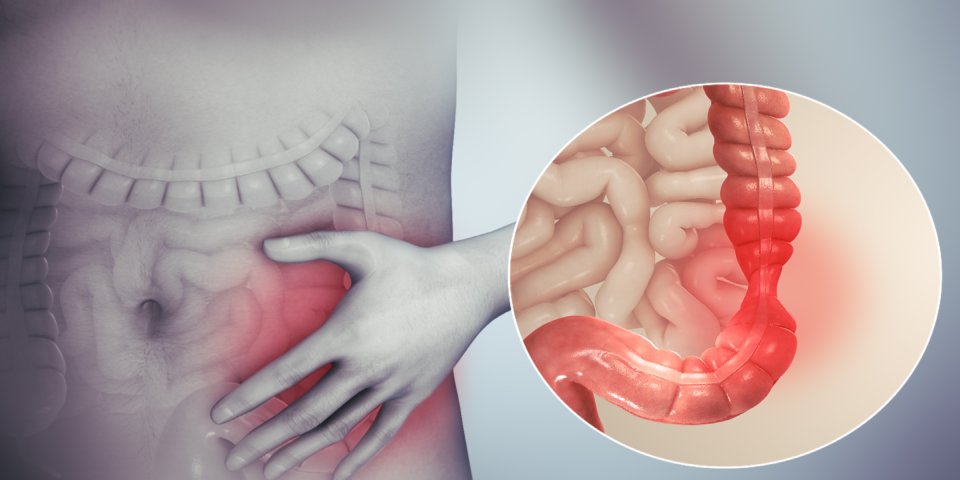
IBS is a chronic disorder that involves the large intestine. It is characterized by symptoms such as:

  • Abdominal pain or discomfort
  • Bloating
  • Gas
  • Diarrhea or constipation (or alternating between both)

While the exact cause of IBS remains unclear, it is believed to involve a combination of factors including gut motility issues, increased sensitivity of the intestines, and psychological factors such as stress.

Symptoms of IBS Irritable Bowel Syndrome

The signs and symptoms of IBS vary from person to person. For some, it is mild; for others, it is severe. Symptoms often come and go (flare-ups).

Digestive Symptoms of IBS

The most common IBS symptoms include:

  • Stomach Pain and Cramping: Usually in the lower belly. The pain often goes away after you pass stool.

  • Bloating: Your stomach feels full, tight, and gassy (IBS bloated stomach).

  • Change in Bowel Movements: You might have diarrhea, constipation, or both.

  • Gas: Excessive wind or flatulence.

  • Mucus in Stool: Seeing whitish mucus in your poop.

  • Urgency: The sudden need to rush to the toilet (stomach pain and urge to poop).

IBS Symptom Patterns

Doctors classify IBS into three main types based on your poop patterns:

  1. IBS-C (Constipation): You struggle to pass stool, your poop is hard/lumpy, and you feel blocked. Constipation in irritable bowel syndrome is very common.

  2. IBS-D (Diarrhea): You have frequent loose motions, watery stool, and urgent needs to go. This is often called IBS diarrhea.

  3. IBS-M (Mixed): You have both constipation and diarrhea. One day you are blocked, the next day you have loose stools.

What Causes IBS Irritable Bowel Syndrome?

Patients often ask Dr. N. S. Babu, “What causes IBS?” The exact cause is unknown, but several factors trigger it:

  • Sensitive Gut: Your colon nerves are overly sensitive. Slight gas can feel like severe IBS cramps.
  • Gut-Brain Connection: Stress and anxiety can trigger chemicals in the brain that upset the stomach. This is why you might get a “nervous stomach” before an exam or meeting.
  • Food Triggers: Spicy foods, milk (dairy), caffeine, or certain vegetables can start an IBS flare-up.
  • Infection: Sometimes, IBS starts after a severe stomach infection (food poisoning/gastroenteritis).
  • Gut Bacteria: Changes in the “good bacteria” in your stomach.

Irritable Bowel Syndrome Diagnosis:

How do you know if you have IBS? Unfortunately, there is no single test (like a blood test) to confirm it. It is a “diagnosis of exclusion.”

How IBS Is Diagnosed:

Dr. N. Subrahmaneswara Babu follows a strict protocol to ensure there isn’t a more serious problem:

  1. Medical History: He will ask about your symptoms. (e.g., Does the pain stop after pooping? How often do you go?)
  2. Physical Exam: Checking for bloating or tenderness in the abdomen.
  3. Tests to Rule Out Other Issues: Before confirming IBS, we must ensure it is not an infection, gluten intolerance (Celiac disease), or IBD (Colitis).
  4. Colonoscopy: In some cases, especially for patients over 45 or those with rectal bleeding, Dr. N. S. Babu may recommend a colonoscopy to check inside the bowel.

It’s essential to consult with a qualified healthcare provider, such as a gastroenterologist in Hyderabad, Dr. N. S. Babu for an accurate diagnosis.

Management Strategies for IBS:

Managing IBS usually needs a combination of treatments based on each person’s specific needs. Here are some effective strategies:

Dietary Changes:
  • Low FODMAP Diet: Research indicates that a low FODMAP diet can significantly improve symptoms for many patients. This involves reducing the intake of fermentable carbohydrates that may trigger symptoms.
  • Fiber Intake: Increasing soluble fiber can help manage constipation. However, it’s important to introduce fiber gradually to avoid bloating.
  • Hydration: Consuming plenty of water is essential for digestive health.
Lifestyle Modifications:
  • Regular Exercise: Engaging in physical activity can help alleviate symptoms by promoting healthy digestion.
  • Stress Management: Techniques such as yoga, meditation, and deep-breathing exercises can reduce stress levels and improve gut health.
  • Sleep Hygiene: Ensuring adequate sleep can positively impact overall health and symptom management.
Medications:

Depending on the severity and type of IBS (IBS-D for diarrhea-predominant or IBS-C for constipation-predominant), various medications may be prescribed:

  • Antispasmodics: To relieve cramping.
  • Laxatives: For constipation relief.
  • Antibiotics: Such as rifaximin for specific cases.
  • Probiotics: These may help restore gut flora balance

For severe cases, consult the best surgical gastroenterologist in Hyderabad to rule out complications like intestinal blockages.

When to See a Specialist for IBS Treatment?

Many people ignore symptoms, thinking it is just “bad digestion.” However, some signs indicate you need to see a gastroenterologist in Hyderabad immediately.

Signs You Need Professional IBS Care

Book an appointment with Dr. N. Subrahmaneswara Babu if you have:

  • Rectal Bleeding: Blood in your stool is NOT a symptom of IBS. It could be piles or something else.
  • Weight Loss: Losing weight without trying.
  • Severe Pain: Pain that doesn’t go away or wakes you up at night.
  • Anemia: Low iron levels.
  • Family History: If anyone in your family has colon cancer or celiac disease.
  • New Symptoms after age 50.

Why Choose Hyderabad's Top IBS Specialists?

Hyderabad boasts advanced healthcare facilities and expert doctors like Dr. N.S. Babu is a renowned gastroenterologist in Kompally, Secunderabad, Hyderabad. Here’s why locals trust him:

  • Expertise: An experienced gastroenterologist & Laparoscopic Surgeon in Hyderabad with 18+ years of experience in treating IBS.
  • Accurate Diagnosis: Uses advanced tests (colonoscopy, stool tests) to identify IBS triggers.
  • Advanced Healthcare Facilities: Clinics like Apollo Hospital Hyderabad and Hills Gastro & Onco Care offer modern technology for quick, accurate diagnosis.
  • Personalized Care: Tailors diet plans and treatments to your needs.
  • Holistic Approach: Combines diet, lifestyle, and stress management for long-term relief.

If you’re searching for the best IBS treatment in Hyderabad, Dr. N. S. Babu’s offers comprehensive care with minimal wait times.

Conclusion:

Living with IBS can be challenging, but with the right guidance, relief is possible. By combining a balanced diet, stress management, and expert care from the Best IBS Specialists in Hyderabad & Secunderabad, you can regain control of your gut health. Renowned experts like Dr. N.S. Babu at Apollo Hospital Hyderabad and Hills Gastro & Onco Care offer advanced diagnostics and personalized treatment plans, ensuring you receive the best IBS treatment in Hyderabad. Their holistic approach addresses root causes, not just symptoms.

If stomach pain, bloating, or irregular bowel habits disrupt your life, take action today. Call us at 94908 08080 to consult our trusted specialists and start your journey toward lasting relief.

Anal Fistula vs. Anal Abscess How to Tell the Difference?

Anal conditions like fistulas and abscesses can cause severe discomfort and impact daily life. Understanding the difference between them is essential to get the right treatment. Dr. N.S. Babu, a leading Fistula Specialist in Hyderabad, provides expert care for these conditions. He offers advanced surgical treatments at Apollo Hospital, Chennai, and Evoke Clinic, Hyderabad.

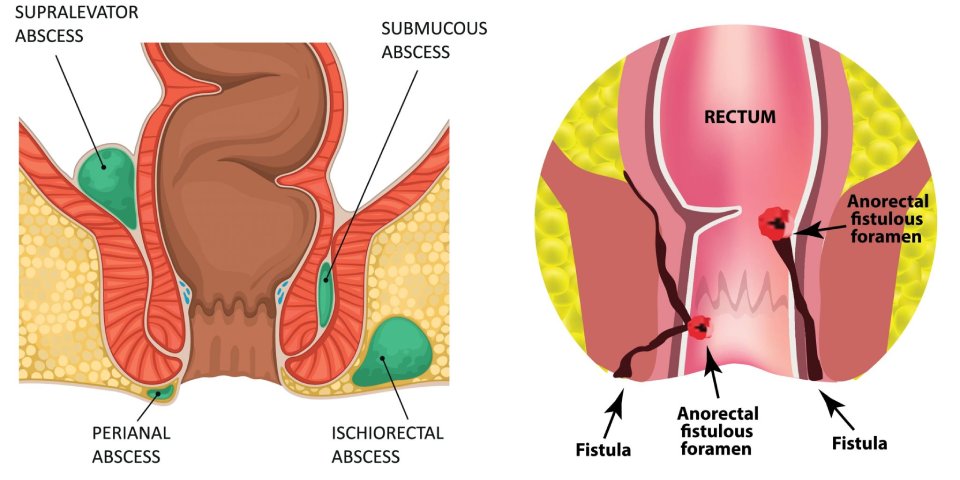
What is an Anal Abscess?

An anal abscess is a pus-filled cavity near the anus caused by an infection. It occurs when small glands inside the anus get blocked and infected, leading to swelling and pain.

Symptoms of Anal Abscess:
  • Severe pain near the anus, especially while sitting
  • Swelling and redness around the anus
  • Fever and chills
  • Pus or blood discharge from the affected area

What is an Anal Fistula?

An anal fistula is a small tunnel that forms between the inside of the anus and the skin near it. It usually develops due to a previous or untreated abscess. When the infected gland does not heal properly, it creates a passage for pus and fluid to drain.

Symptoms of Anal Fistula:
  • Persistent pain around the anus
  • Pus or blood discharge from the opening near the anus
  • Swelling or irritation around the anal region
  • Difficulty in bowel movements
  • Recurrent infections

Importance of Early Diagnosis:

Many people ignore early signs of anal abscess and fistula due to embarrassment or fear of surgery. However, delaying treatment can make the condition worse and more painful. Consulting an experienced Gastroenterologist Surgeon in Hyderabad, like Dr. N.S. Babu, ensures proper diagnosis and timely treatment.

Treatment Options Available at Dr. N.S. Babu's Clinics:

Dr. N.S. Babu specializes in advanced treatments for anal abscess and fistula. His approach is patient-friendly and focuses on long-term relief.

Anal Abscess Treatment:
  • Incision and Drainage: The abscess is drained to remove pus and reduce infection.
  • Antibiotic Therapy: Prescribed in cases of mild infections.
Anal Fistula Treatment:
  • Fistulotomy: A surgical procedure to open and heal the fistula.
  • Laser Surgery: A minimally invasive procedure with faster recovery.
  • Seton Placement: A thread-like material is placed to gradually close the fistula.

Why Choose Dr. N.S. Babu for Anal Fistula and Abscess Treatment in Hyderabad?

  • Expertise in Gastrointestinal Surgeries: With years of experience, Dr. N.S. Babu is a trusted name in treating complex anal conditions.
  • Advanced and Minimally Invasive Procedures: He offers modern treatments like laser surgery and minimally invasive fistula correction.
  • Affordable and Patient-Centric Approach: Focused on quick recovery with minimal pain and downtime.
  • State-of-the-Art Facilities: Consultation and surgery at Apollo Hospital, Chennai, and Evoke Clinic, Hyderabad.
  • High Success Rate: Proven track record of treating thousands of patients successfully.
  • Comprehensive Post-Treatment Care: Regular follow-ups and guidance for a smooth recovery.

Consult Dr. N.S. Babu for Expert Fistula and Abscess Treatment:

If you are experiencing symptoms of an anal abscess or anal fistula, do not delay treatment. Dr. N.S. Babu, an expert Fistula Specialist in Hyderabad, provides advanced treatment at Apollo Hospital, Chennai, and Evoke Clinic, Hyderabad.

For appointments and consultations, contact us today. Your health and comfort are our priority!

GERD: All You Need to Know

Do you often feel a burning sensation in your chest after a heavy meal? Or perhaps you feel like food is coming back up into your throat when you lie down? You might be suffering from GERD.

While many people in India dismiss this as simple “acidity” or “gas,” chronic acid reflux can damage your food pipe if left untreated. At Hills Gastro & Onco Care, we see hundreds of patients every month struggling with sleep and digestion due to this condition.

Dr. N. Subrahmaneswara Babu, a renowned Surgical Gastroenterologist in Hyderabad with over 18+ years of experience, explains that understanding GERD is the first step to a pain-free life. This guide covers everything from GERD symptoms and remedies to the best GERD treatment in Hyderabad.

What Is GERD? (GERD Meaning & Medical Definition)

GERD stands for Gastroesophageal Reflux Disease.
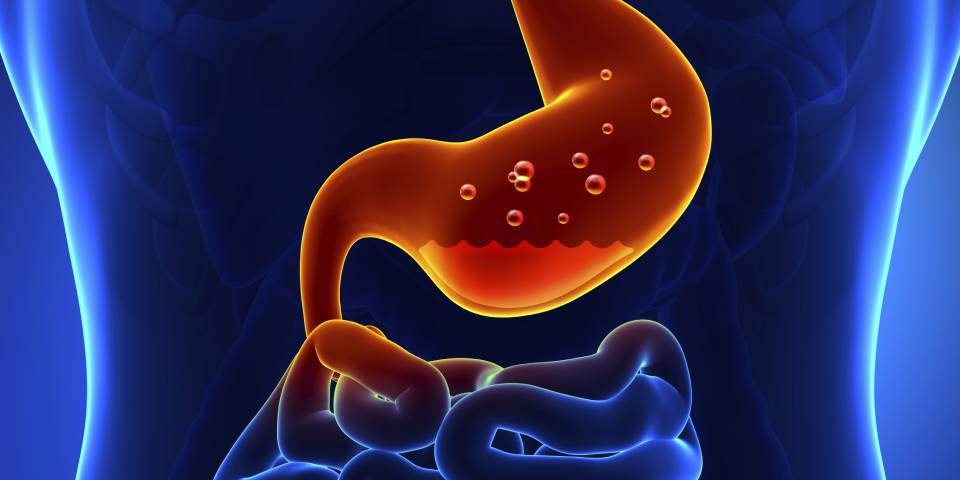
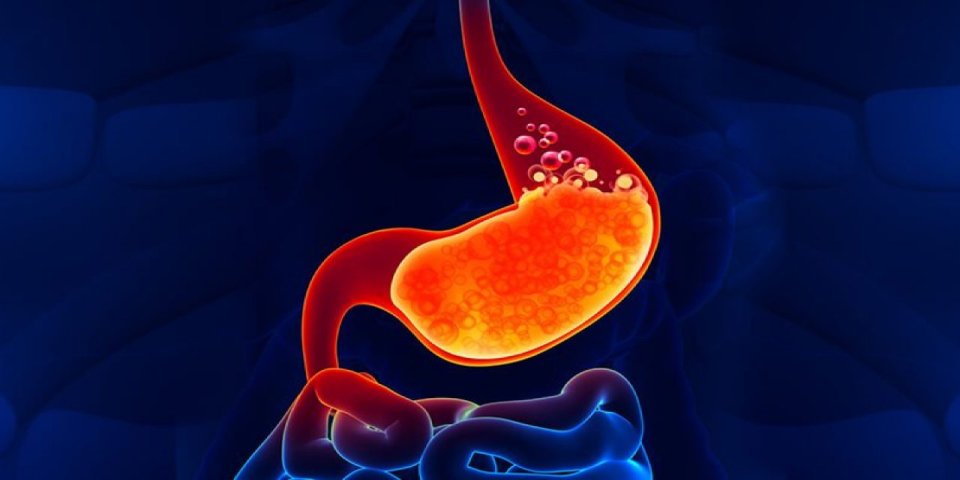
In simple terms, it is a digestive disorder where stomach acid frequently flows back into the tube connecting your mouth and stomach (esophagus). This backwash (acid reflux) irritates the lining of your esophagus.

Is GERD the same as Acid Reflux? Not exactly. “Acid reflux” is the action of acid backing up. GERD is the disease or chronic condition that happens when you have mild acid reflux at least twice a week, or moderate to severe reflux at least once a week.

Is GERD acute or chronic? It is usually a chronic (long-term) condition. However, with the right GERD management and lifestyle changes, it is completely controllable.

What Are the Common Signs and GERD Symptoms?

Recognizing GERD signs and symptoms early can save you from severe damage. Symptoms vary from person to person.

Typical GERD Symptoms
  • Heartburn: A burning pain or discomfort that may move from your stomach to your chest, or even up to your throat. This is the most common sign.
  • Regurgitation: A sour or bitter-tasting acid backing up into your throat or mouth. You might feel like “food is stuck in the chest.”
  • Dysphagia: Difficulty swallowing or a sensation that food is stuck in your food pipe.
  • Excess Burping & Gas: Constant belching or feeling bloated after meals.
Atypical & Silent GERD Symptoms

Some patients have “Silent GERD” (LPR) where they don’t feel the burn but have other issues:

  • GERD Cough: A persistent dry cough that doesn’t go away with cough syrup.
  • Throat Pain & Lump Sensation: A feeling of a lump in the throat (Globus sensation) or constant need to clear the throat.
  • GERD Nausea: Feeling sick to your stomach, especially in the morning.
  • GERD Bad Breath: Stomach acid can cause halitosis (bad smell from mouth).
  • GERD Symptoms at Night: Waking up choking, coughing, or with a sour taste in the mouth.

Can GERD Cause Breathing Problems or Chest Pain?

This is a very common question we get at our clinic. The answer is Yes.

  • GERD and Asthma: Stomach acid can enter the airways and damage the lungs, triggering asthma-like symptoms or making existing asthma worse.
  • GERD Chest Pain: The pain from GERD can be sharp and severe, often mimicking a heart attack. This is called “Non-Cardiac Chest Pain.”
    Note: If you have severe chest pain, always consult a doctor immediately to rule out heart issues first.
  • Shortness of Breath: Acid irritation can cause the airways to tighten, leading to breathing problems.

What Causes GERD? (Risk Factors & Triggers)

Why do you get GERD? It usually happens because a valve at the end of your esophagus, the Lower Esophageal Sphincter (LES), does not close properly.

Common Causes
  1. Weak LES: If this muscle is weak, acid leaks back up.
  2. Hiatal Hernia & GERD: This is a condition where the upper part of your stomach bulges up into the chest. This is a major cause of severe reflux.
  3. Obesity: Excess belly fat puts pressure on the stomach, pushing acid up.
  4. Lifestyle: Smoking, alcohol, and high stress levels relax the valve, allowing acid to escape.
GERD Causes by Condition
  • GERD in Pregnancy: Hormonal changes and the growing baby press on the stomach, causing heartburn 7 months pregnant or earlier.
  • GERD in Infants: Babies often spit up (reflux) because their digestive system is not fully developed.
  • Dietary Habits: Eating large meals or lying down immediately after eating (common in Indian households) triggers reflux.

GERD Diagnosis – Tests & Investigations

If you have symptoms more than twice a week, you need to see a GERD doctor. Dr. N. Subrahmaneswara Babu uses precise methods to diagnose the issue:

  • Upper GI Endoscopy: A thin, flexible tube with a camera examines the food pipe. This checks for inflammation (Esophagitis) or complications.
  • 24-hour pH Monitoring: This is the “Gold Standard” test. It measures how much acid comes up into your esophagus over a day.
  • Manometry: Checks if your esophageal muscles are working correctly.

These tests help in grading the severity (e.g., GERD Grade A, B, C, or D) and deciding the treatment.

How Is GERD Treated? (Medical & Lifestyle Management)

Treatment depends on the severity of your condition.

GERD Medicines
  • Antacids: Provide quick relief by neutralizing stomach acid (e.g., Digene, Gelusil).
  • H2 Blockers: Reduce acid production.
  • PPIs (Proton Pump Inhibitors): These are strong acid suppressors (like Pantoprazole or Rabeprazole) that heal the food pipe.
  • Warning: Never take GERD tablets long-term without a doctor’s prescription.
Lifestyle Changes for GERD Relief
  • Sleeping Position: Sleep with your head elevated. Use a GERD wedge pillow to use gravity to keep acid down. Lying on your left side is best for digestion.
  • Weight Loss: Losing even a few kilos reduces pressure on the stomach.
  • Meal Timing: Finish dinner at least 2–3 hours before sleeping.

GERD Diet – What to Eat & What to Avoid

In India, our diet is rich in spices, which can be a major trigger. Here is a simple GERD food chart:

Foods That Trigger GERD (Foods to Avoid)
  • Spicy Foods: Chillies, excessive masala, and pickles.
  • Fried Items: Samosas, pakoras, and oily curries slow down digestion.
  • Acidic Foods: Citrus fruits (lemons, oranges), tomatoes, and tamarind.
  • Beverages: Coffee, tea, carbonated drinks (soda), and alcohol.
  • Others: Chocolate and peppermint can relax the LES valve.
GERD Friendly Foods (Foods to Eat)
  • Non-Citrus Fruits: Bananas, melons, apples, and pears.
  • Vegetables: Green beans, broccoli, cucumbers, and leafy greens.
  • Yogurt (Curd): Fresh curd is a natural probiotic that soothes the stomach.
  • Oatmeal: Absorbs stomach acid and is great for breakfast.
  • Cold Milk: Small amounts of cold fat-free milk can provide temporary relief.

GERD Home Remedies & Natural Treatment Options

Many patients ask, “Can GERD be treated naturally?” While severe cases need medicine, home remedies help mild symptoms:

  1. Ginger Tea: Ginger aids digestion. Sip on warm (not hot) ginger tea.
  2. Aloe Vera Juice: Drinking a small amount can soothe the burning sensation.
  3. Chewing Gum: Chewing sugar-free gum increases saliva, which neutralizes acid.
  4. Yoga Poses for GERD: Gentle yoga like Vajrasana (sitting on heels) after meals aids digestion. Avoid inverted poses like headstands.

GERD Complications If Left Untreated

Is GERD dangerous? If you ignore it for years, yes. Chronic acid exposure can lead to:

  • Esophagitis: Severe inflammation and ulcers in the food pipe.
  • Strictures: Narrowing of the food pipe causing difficulty in swallowing.
  • Barrett’s Esophagus: A precancerous change in the cells of the esophagus.
  • Esophageal Cancer: In rare, untreated cases, chronic damage can lead to cancer.

Early diagnosis at Hills Gastro & Onco Care can prevent these risks.

When Should You See a GERD Doctor or Specialist?

You should book an appointment with a GERD specialist near me if:

  • You take antacids more than twice a week.
  • Your symptoms wake you up at night.
  • You have difficulty swallowing or food feels stuck.
  • You have unexplained weight loss or vomiting.

Dr. N. Subrahmaneswara Babu is a top-rated Gastroenterologist in Hyderabad who specializes in complex GERD cases.

GERD Surgery – When Is It Needed?

Most people get better with medicine and diet. However, surgery might be the best option if:

  • Medicines no longer work.
  • You have a large Hiatal Hernia.
  • You want to stop taking lifelong medication.

Fundoplication (GERD Surgery): This is a laparoscopic (keyhole) surgery where the top part of the stomach is wrapped around the lower esophagus to tighten the muscle and stop acid leaks. It is a highly successful GERD permanent treatment.

Why Choose Dr. N. S. Babu for GERD Treatment in Hyderabad?

When it comes to digestive health, experience matters.

  • Trust & Expertise: Dr. N. Subrahmaneswara Babu has 18+ years of experience and has treated thousands of patients with acid reflux and hernia issues.
  • Advanced Care: At Hills Gastro & Onco Care, we use the latest diagnostic tools like high-definition endoscopy.
  • Patient-Centric: We focus on avoiding unnecessary surgeries. We try diet and lifestyle changes first.
  • Affordable: We provide transparent pricing for GERD endoscopy cost and treatments.

Final Thoughts – Living Well With GERD

You do not have to live with the burning pain of GERD. With the right diet, lifestyle adjustments, and expert medical guidance, you can sleep peacefully and eat without fear. GERD recovery time varies, but most patients feel relief within weeks of starting the right treatment protocol.

Ready to Beat Acid Reflux? Don’t rely on temporary home remedies forever. Get a permanent solution. Call 094908 08080 Hills Gastro & Onco Care today to book your consultation with Dr. N. Subrahmaneswara Babu.