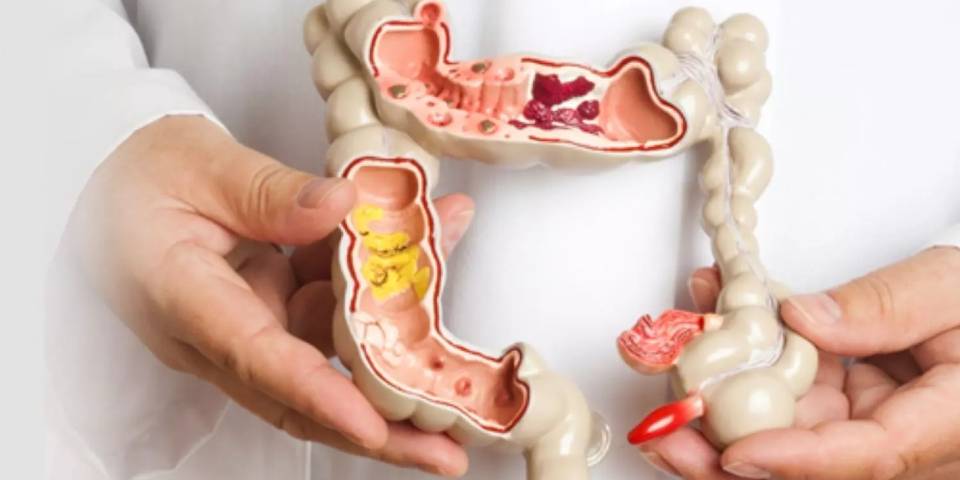
What to Expect After Colorectal Surgery

Colorectal surgery is a complex yet common procedure performed to treat various conditions affecting the colon and rectum, such as colorectal cancer, inflammatory bowel disease (IBD), diverticulitis, and rectal prolapse. After undergoing colorectal surgery, patients can expect a period of recovery and adjustments to their daily life. Dr. N. Subrahmaneswara Babu, a leading Surgical Gastroenterologist and Advanced Laparoscopic Surgeon in Hyderabad is well-equipped to provide expert care and support during this critical phase.

Colorectal surgery is a complex yet common procedure performed to treat various conditions affecting the colon and rectum, such as colorectal cancer, inflammatory bowel disease (IBD), diverticulitis, and rectal prolapse. After undergoing colorectal surgery, patients can expect a period of recovery and adjustments to their daily life. Dr. N. Subrahmaneswara Babu, a leading Surgical Gastroenterologist and Advanced Laparoscopic Surgeon in Hyderabad is well-equipped to provide expert care and support during this critical phase.

Postoperative Recovery:

After colorectal surgery, patients typically spend a few days in the hospital to closely monitor their recovery. During this time, Dr. N. Subrahmaneswara Babu prioritizes patient comfort by providing effective pain management. The medical team also monitors for any signs of infection or other complications to ensure a smooth healing process.

Dietary Changes:

In the initial stages of recovery, patients may need to follow a modified diet to allow their gastrointestinal tract to heal. Dr. N. Subrahmaneswara Babu provides personalized dietary guidelines to promote healing and prevent complications. As recovery progresses, patients can gradually transition to a regular diet based on their specific needs and condition.

Physical Activity:

After colorectal surgery, patients may experience limitations in physical activities. Dr. N. Subrahmaneswara Babu emphasizes the importance of gradually increasing activity levels as the healing process advances. This helps to prevent complications and promote overall well-being.

Follow-up Care:

Regular follow-up appointments are an essential part of the postoperative care plan. Dr. N. Subrahmaneswara Babu schedules follow-up visits to monitor the patient’s progress and address any concerns that may arise during the recovery period. This personalized approach ensures that patients receive the necessary support throughout their recovery journey.

Potential Complications:

While colorectal surgery is generally safe, there is a small risk of complications, such as infection, bleeding, or anastomotic leaks (a type of surgical connection). Dr. N. Subrahmaneswara Babu’s extensive experience and dedication to patient safety help minimize such risks. He ensures that patients and their families are well-informed about potential complications and how to recognize early warning signs.

Dr. N. S. Babu's Expertise:

Dr. N. Subrahmaneswara Babu’s vast experience in the field of surgical gastroenterology and his compassionate approach to patient care make him a standout surgeon in Hyderabad. His attention to pre and postoperative care, coupled with his focus on patient safety and well-being, ensures that patients undergoing colorectal surgery have the best possible outcomes. Whether it’s treating colorectal cancer or managing complex cases of inflammatory bowel disease, Dr. N. Subrahmaneswara Babu’s expertise and dedication set him apart as a leading Surgical Gastroenterologist in the region.
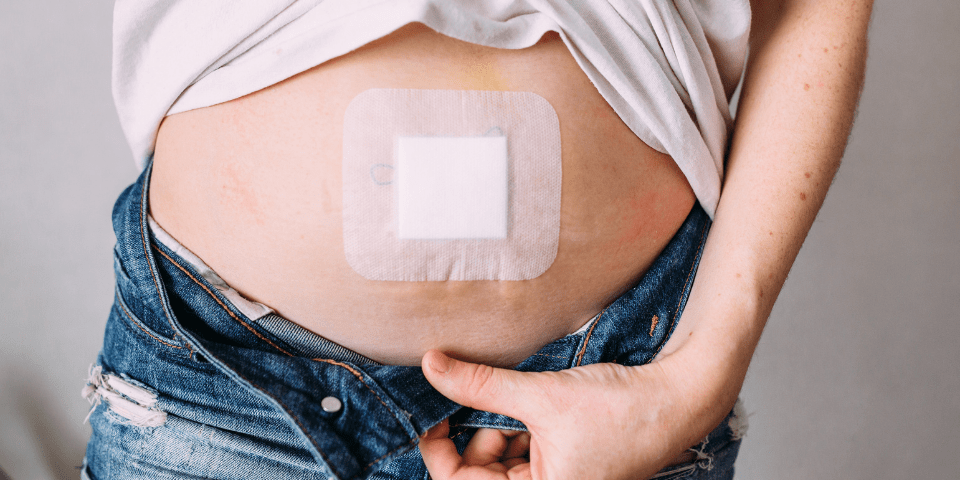

What to Expect After Hernia Surgery.

Hernia surgery is a common operation used for managing hernias.When an organ or part of tissue pushes through a weakness in the muscle or tissue, it bulges, producing a hernia. Hernias can occur in many different areas of the body, but they are most common in the groin and abdomen.

Hernia surgery is usually performed as an outpatient procedure, which means that you will be able to go home the same day. The surgery is done under general anesthesia, which means you will be sleeping throughout.

You’ll probably experience some pain and discomfort following surgery. You will be given pain medicine to help you feel better. You will also need to wear a support garment to help support the repaired area.

The recovery time for hernia surgery is usually short. In a few days or weeks, most people are able to resume their regular activities. However, it is important to follow your doctor’s instructions carefully during your recovery.

Here are some of the things you can expect after hernia surgery:

  • Pain and discomfort: You will likely experience some pain and discomfort after surgery. This is normal. Your doctor will prescribe pain medication to help relieve the pain.
  • Swelling: The area around the incision will likely swell after surgery. This is also normal. The swelling will gradually go away over time.
  • Bruising: The area around the incision may also bruise after surgery. This is also normal. The bruising will gradually go away over time.
  • Numbness: You may experience some numbness in the area around the incision. This is also normal. The numbness will gradually go away over time.
  • Fatigue: You may feel tired and run down after surgery. This is normal. Your body needs time to heal. Rest well and water yourself frequently.

Here are some of the things you should do after hernia surgery:

  • Follow your doctor’s instructions carefully: This includes taking your pain medication as prescribed, wearing a support garment, and avoiding strenuous activity.
  • Get plenty of rest:Your body needs time to heal. Get at least 8 hours of sleep per night.
  • Drink plenty of fluids: This will aid in constipation prevention.
  • Eat a healthy diet: This will help to keep your body strong and healthy. Avoid lifting heavy objects. This could put stress on the repaired area and cause pain.
  • Be patient: The recovery time for hernia surgery is usually short. However, it is important to be patient and allow your body time to heal.

Complications of Hernia Surgery

Hernia surgery is a safe procedure, but there are some potential complications that can occur. These complications are rare, but it is important to be aware of them.

  • Infection: The incision site may become infected. This is a rare issue, but it does happen. If you develop an infection, you will need to see your doctor for treatment.
  • Bleeding: Bleeding can occur during or after surgery. This is an uncommon problem, yet it can be fatal.. If you experience bleeding, you should see your doctor immediately.
  • Adhesions: Adhesions are scar tissue bands that can occur after surgery. Adhesions can cause pain and discomfort. They can also make it difficult for your bowels to move.
  • Recurrence: A hernia can recur, even after surgery. This is a rare problem, although it does occur. If you experience a recurrence, you may need to have surgery again.

Who is Hernia Surgery Specialist in Hyderabad?

If you have any questions or concerns about hernia surgery, Dr. N. S. Babu and his team have a dedicated and caring approach and are the best Hernia Surgeons in Hyderabad for your needs – Dr. N. S. Will try to meet with Babu as soon as possible. For more information on our comprehensive treatment options or to request an appointment at the best gastro care clinic in Hyderabad. Call us on 9443355668.

The 5 Most Common Digestive Problems and How to Treat Them

Digestive problems can significantly impact an individual’s quality of life. As a leading Surgical Gastroenterologist and Advanced Laparoscopic Surgeon in Hyderabad, Dr. N. Subrahmaneswara Babu is well-equipped to diagnose and treat various digestive issues. Let’s explore the five most common digestive problems and their treatments:

Gastroesophageal Reflux Disease (GERD):

GERD is a chronic condition in which stomach acid flows back into the esophagus, causing irritation and discomfort. Common symptoms include heartburn, regurgitation, and chest pain. Dr. N. Subrahmaneswara Babu may recommend lifestyle changes, such as avoiding trigger foods, weight management, and elevating the head of the bed during sleep. Medications, such as antacids and proton pump inhibitors, can also help reduce acid production. In some cases, laparoscopic anti-reflux surgery may be considered to strengthen the lower esophageal sphincter and prevent acid reflux.

Irritable Bowel Syndrome (IBS):

IBS is a functional gastrointestinal disorder characterized by abdominal pain, bloating, and changes in bowel habits. Dr. N. Subrahmaneswara Babu employs a comprehensive approach to manage IBS symptoms. This may include dietary modifications, such as following a low-FODMAP diet, which reduces certain fermentable carbohydrates that can trigger symptoms. Stress management techniques, regular exercise, and medications to relieve specific symptoms are also part of the treatment plan. Dr. N. Subrahmaneswara Babu’s personalized care ensures that patients receive tailored solutions for managing their IBS.

Gallstones:

Gallstones are solid particles that form in the gallbladder and can cause pain and complications. Dr. N. Subrahmaneswara Babu’s expertise in treating conditions of the gall bladder allows for accurate diagnosis and effective treatment. He utilizes advanced imaging techniques, such as abdominal ultrasound and MRI, to identify gallstones. When necessary, Dr. N. Subrahmaneswara Babu performs laparoscopic gallbladder removal (cholecystectomy) with a focus on patient safety and quick recovery. His comprehensive postoperative care ensures a smooth healing process.

Inflammatory Bowel Disease (IBD):

IBD includes chronic conditions such as Crohn’s disease and ulcerative colitis, which cause inflammation in the gastrointestinal tract. Dr. N. Subrahmaneswara Babu’s experience in managing complex gastrointestinal diseases allows for accurate diagnosis and personalized treatment plans. Treatment may involve anti-inflammatory medications, immunosuppressants, and biologics to manage inflammation and control symptoms. In severe cases, surgery may be necessary to remove affected parts of the intestine.

Hernia:

A hernia occurs when an organ or tissue protrudes through a weak spot in the abdominal wall. Dr. N. Subrahmaneswara Babu’s expertise in hernia surgeries allows him to offer both laparoscopic and open surgical approaches, ensuring the best outcomes for patients. Depending on the type and size of the hernia, Dr. N. Subrahmaneswara Babu may recommend surgical repair to prevent complications and alleviate symptoms.

Dr. N. S. Babu's Expertise:

Dr. N. Subrahmaneswara Babu’s reputation as a leading Surgical Gastroenterologist in Hyderabad is reinforced by his exceptional diagnostic skills and dedication to providing personalized care for each patient. His vast experience and successful outcomes in treating common digestive problems, such as GERD, IBS, gallstones, IBD, and hernias, make him a sought-after surgeon in the region. Whether it’s performing laparoscopic anti-reflux surgery or providing effective management for inflammatory bowel disease, Dr. N. Subrahmaneswara Babu’s expertise ensures that patients receive the highest level of care for their digestive health.

Weight Loss Surgery Before and After: Real Results, Cost, Procedures & What to Expect

Have you tried every diet plan, gym membership, and home remedy, but the weighing scale refuses to move? You are not alone. Obesity is a complex medical condition, not just a lifestyle choice. For many, standard methods like “eat less, move more” simply stop working after a certain weight.

If you are searching for a weight loss clinic in Hyderabad or wondering about the real results of weight loss surgery before and after, you are in the right place.

Dr. N. Subrahmaneswara Babu, a renowned Surgical Gastroenterologist in Hyderabad with 18+ years of experience and a Consultant at Apollo Hospital, helps patients regain their health through advanced metabolic procedures. This guide covers everything from gastric bypass surgery price in India to the amazing transformations you can expect.

What Is Weight Loss Surgery? (Bariatric Surgery Explained)

Many people ask, “What is bariatric surgery?” or “bariatrics means?”

In simple words, bariatric surgery (often called weight loss surgery or operation for fat loss) is a medical procedure that changes your digestive system to help you lose weight. It is not cosmetic surgery (like liposuction). It is a life-saving procedure that treats obesity and related diseases like diabetes, high BP, and sleep apnea.

The surgery works in two ways:

  • Restriction: It reduces the size of your stomach (stomach cut surgery), so you eat less.
  • Malabsorption: It changes how your body absorbs calories.

If you are looking for an operation to lose weight that offers long-term results, this is the medical standard.

Weight Loss Surgery Before and After – Real Transformation Results

The most motivating part of this journey is seeing the weight loss before and after results. But it is not just about the photos.

What changes can you see?
  • Physical Appearance: Patients typically lose 60% to 80% of their excess body weight within 12-18 months. The before and after pics weight loss show drastic reductions in belly fat and overall body size.
  • Health Reversal: Diseases like Type 2 Diabetes often go into remission within days of the stomach operation.
  • Energy Levels: You move from feeling tired and heavy to active and energetic.

Dr. N. Subrahmaneswara Babu notes that the best weight loss before and after male and female results come from patients who follow the post-surgery diet plan strictly.

Types of Weight Loss (Bariatric) Surgery Procedures

At Hills Gastro Care in Hyderabad, we offer the latest bariatric surgery procedures types. Dr. N. S. Babu will suggest the best one based on your BMI and health conditions.

1. Gastric Sleeve Surgery (Sleeve Gastrectomy)
  • What it is: The doctor removes about 80% of the stomach, leaving a banana-shaped tube (sleeve).

  • Best for: People who want a simpler stomach surgery name with fewer vitamin deficiencies.

  • Result: You feel full very quickly.

2. Gastric Bypass Surgery (Roux-en-Y)
  • What it is: The stomach is stapled to make a small pouch, and the small intestine is rearranged (rerouted).

  • Best for: Patients with severe acid reflux (GERD) and uncontrolled diabetes.

  • Result: This is the gold standard gastric bypass for rapid weight loss.

3. Mini Gastric Bypass (MGB Surgery)
  • What it is: A simplified version of the bypass that is quicker to perform and highly effective.

  • Best for: High BMI patients looking for a powerful weight reducing surgery.

Lose Weight by Surgery vs Exercise – Which Is Better?

A common question is: “Can I just lose weight by exercise instead of an operation?”

If you are just 5-10 kgs overweight, then yes, lose weight by exercise and diet is best. However, if your BMI is over 32 or 35 (Class II or III Obesity), your body sets a “new normal” weight that fights against dieting.

  • Diet/Exercise alone: 95% of morbidly obese people regain the weight within 2 years.
  • Lose weight by surgery: Offers a sustainable, long-term solution by resetting your metabolism.

Dr. Babu’s Advice: Surgery is not a shortcut; it is a tool. You still need healthy habits, but the surgery makes them effective.

Weight Loss Surgery Cost in India, Hyderabad

One of the most searched queries is “loss weight surgery cost” or “gastric bypass surgery price in India.”

Compared to Western countries, the bariatric surgery in India price is very affordable. In Hyderabad, the cost depends on:

  • The Procedure: Gastric sleeve is generally cheaper than gastric bypass surgery.
  • The Hospital: Corporate hospitals may charge differently than specialized clinics.
  • Equipment: Use of advanced staplers and robotic technology.
  • Estimated Cost Range: Generally, weight loss procedures cost between ₹2.5 Lakhs to ₹5 Lakhs in Hyderabad. This usually includes hospital stay, surgeon fees, and consumables.

For an exact quote, visiting a gut liver obesity clinic like Hills Gastro & Onco Care is necessary for insurance checks and package details.

What to Expect Before and After Weight Loss Surgery

If you choose to undergo this operation for stomach fat, here is the timeline:

Before Surgery (Preparation)
  • Consultation: You will meet the Best Gastroenterologist in Hyderabad, Dr. N. S. Babu.
  • Tests: Blood tests, ultrasound, and heart checkups.
  • Liquid Diet: You may need to be on a liquid diet for 1 week before after fat loss surgery to shrink the liver.
During Surgery
  • The operation to reduce fat is done laparoscopically (keyhole surgery).
  • There are no big cuts. You will have tiny marks.
  • Hospital stay is usually just 2-3 days.
After Surgery (Recovery)
  • Week 1: Clear liquids only.
  • Week 2-3: Pureed/Soft foods.
  • Month 1: Back to solid foods (small portions).
  • Results: You will start seeing fast weight loss before and after results in the first month itself.

Risks, Safety & Long-Term Results of Weight Loss Surgery

Is it safe? Yes. Modern bariatric surgery operation is as safe as a gallbladder removal or knee replacement when done by an expert.

Dr. N. Subrahmaneswara Babu has performed countless successful surgeries. However, like any stomach operation, there are minor risks like acid reflux or vitamin deficiency. These are easily managed with supplements and follow-ups.

Long-Term Success:
  • Most patients maintain 50-70% of excess weight loss for 10+ years.
  • Conditions like sleep apnea and joint pain often disappear.

Who Should Consider Weight Loss Surgery?

You are a candidate for surgery for fat loss if:

  • BMI is 37.5 or higher (Severe Obesity).
  • BMI is 32.5 or higher with health issues like Diabetes, BP, or PCOD.
  • You have tried to lose weight by exercise and diet for years but failed.
  • You are willing to make lifestyle changes.

Check your BMI: If you are searching for “how to decrease BMI” and it is above 30, consult a specialist.

Before and After Loss Weight Surgery – Final Thoughts

Deciding to have surgery to remove stomach fat is a big step. It is not just about looking good in before after weight loss pictures; it is about adding years to your life.

Do not let fear stop you from reclaiming your health. With the Best GI Surgeon in Hyderabad, Dr. N. Subrahmaneswara Babu, you are in safe hands. We provide complete weight loss services, from diet counseling to post-surgery care.

Ready to start your transformation? Stop searching for “doctors to lose weight” and take action.

Book an Appointment Dr. N. Subrahmaneswara Babu (Expert Bariatric & Surgical Gastroenterologist) Hills Gastro & Onco Care / Consultant at Apollo Hospital Location: Hyderabad, Telangana.

Are You at Risk of Gallstones? How It’s Diagnosed?

Gallstones are a common and often painful condition that can affect individuals of all ages. Dr. N. Subrahmaneswara Babu, a leading Surgical Gastroenterologist and Advanced Laparoscopic Surgeon in Hyderabad, specializes in treating conditions of the gall bladder. Let’s explore the risk factors for gallstones and the diagnostic process:

Are You at Risk of Gallstones?

  • Obesity: Being overweight or obese is a significant risk factor for developing gallstones. Excess body weight can lead to increased cholesterol levels in bile, which contributes to gallstone formation.
  • Diet High in Saturated Fat and Cholesterol: A diet rich in saturated fats and cholesterol can raise cholesterol levels in bile, increasing the risk of gallstones.
  • Rapid Weight Loss: Crash diets or rapid weight loss methods can cause the liver to release extra cholesterol into the bile, leading to gallstone formation.
  • Family History: If you have a family history of gallstones, you may be at an increased risk of developing them yourself.
  • Age and Gender: Gallstones are more common in older adults and women, especially those who have had multiple pregnancies.
  • Sedentary Lifestyle: A lack of physical activity is associated with an increased risk of gallstones.
  • Certain Medical Conditions: Certain medical conditions, such as diabetes, cirrhosis of the liver, and Crohn’s disease, can increase the risk of gallstones.

How Gallstones Are Diagnosed?

  • Medical History and Physical Examination: Dr. N. Subrahmaneswara Babu begins the diagnostic process by taking a detailed medical history and conducting a physical examination. He will ask about any symptoms you may be experiencing and inquire about your risk factors for gallstones.
  • Imaging Tests: Imaging tests are essential for diagnosing gallstones. Dr. N. Subrahmaneswara Babu may recommend an abdominal ultrasound, which uses sound waves to create images of the gallbladder and detect any gallstones. If the ultrasound results are inconclusive or if other factors are at play, additional imaging tests like an MRI or CT scan may be performed.
  • Blood Tests: Blood tests can help evaluate liver function and identify any signs of inflammation or infection related to gallstones.
  • Endoscopic Retrograde Cholangiopancreatography (ERCP): In some cases, Dr. N. Subrahmaneswara Babu may perform an ERCP to examine the bile ducts. This procedure involves inserting a flexible tube with a camera through the mouth and into the small intestine to look for gallstones and other abnormalities.

Dr. N. S. Babu's Expertise:

Dr. N. Subrahmaneswara Babu’s extensive experience in treating conditions of the gall bladder allows for accurate diagnosis and effective treatment. His utilization of advanced imaging techniques, such as abdominal ultrasound and MRI, ensures that gallstones are promptly detected and managed. If gallstones are diagnosed, Dr. N. Subrahmaneswara Babu’s expertise in laparoscopic gallbladder removal (cholecystectomy) offers patients a safe and minimally invasive surgical option.

Whether it’s diagnosing gallstones or providing comprehensive treatment options, Dr. N. Subrahmaneswara Babu’s commitment to patient care and safety sets him apart as a leading Surgical Gastroenterologist in Hyderabad. If you are at risk of gallstones or experiencing symptoms related to gallbladder issues, consider consulting Dr. N. Subrahmaneswara Babu for expert guidance and personalized care.