
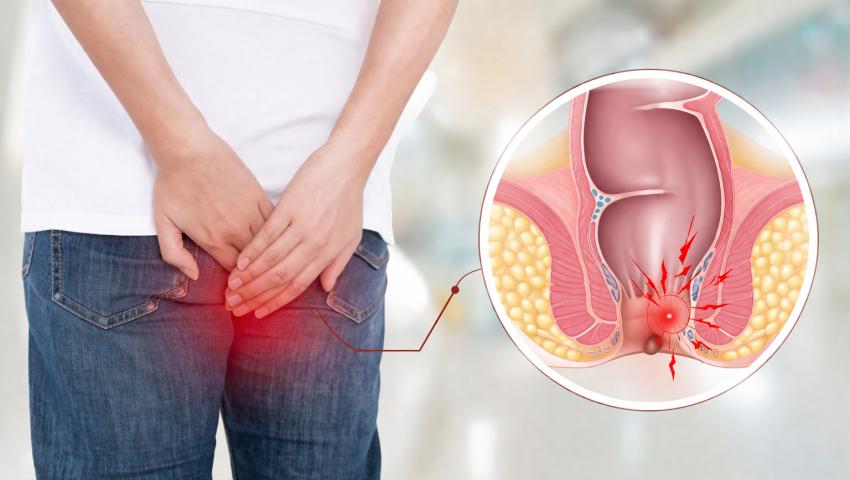
Sudden pain around the anus can be frightening and uncomfortable. Many people experience a sharp, cramping pain in the rectum that appears suddenly and disappears after a few seconds or minutes. This condition is often caused by an anal spasm, a temporary tightening of the muscles around the anus.
Many patients ignore this symptom, assuming it is due to gas, constipation, or minor irritation. However, repeated anal muscle spasm episodes may indicate an underlying issue that needs medical attention.
At Hills Gastro & Onco Care, Dr. N. Subrahmaneswara Babu, a Best Surgical Gastroenterologist in Hyderabad, regularly evaluates patients who experience rectal pain, anal spasms, or discomfort during bowel movements. Early diagnosis helps identify the cause and prevent further complications.
Patients looking for a Proctologist in Hyderabad for problems related to rectal pain, piles, fissures, or anal spasms often seek expert evaluation to identify the exact cause of their symptoms.
This guide explains everything you should know about anal spasm, its causes, symptoms, and treatment options.
What is an Anal Spasm?
An anal spasm occurs when the muscles around the anus tighten suddenly and involuntarily. These muscles are called the anal sphincter muscles, and they play an important role in controlling bowel movements.
When these muscles contract suddenly, it may cause sharp pain or cramping in the rectum. The pain may last for a few seconds or sometimes several minutes before it goes away on its own.
In medical terms, this condition is sometimes related to anal sphincter spasm or a functional rectal pain disorder known as proctalgia fugax.
Key points to understand:
- It involves the sudden tightening of the anal muscles
- Pain usually appears suddenly and disappears quickly.
- Episodes may occur during the day or at night.
In many cases, it is temporary but may recur.
Common Symptoms of Anal Spasm:
The symptoms can vary from person to person. Some people experience only mild discomfort, while others feel intense pain.
Common symptoms include:
- Sudden Sharp Pain: A sudden stabbing or cramping pain in the anus or rectum.
- Rectal Muscle Spasm: A tightening or cramping sensation around the anal area.
- Pain After Passing Stool: Some patients experience spasms after bowel movements.
- Anal Spasm at Night: Episodes may wake patients from sleep.
- Difficulty Sitting: Sitting may become uncomfortable due to pain.
- Tightness Around the Anus: A feeling of pressure or tightening in the anal muscles.
These symptoms may last from a few seconds to several minutes and then disappear.
What Causes Anal Spasm?
Many factors can trigger spasms in the anal muscles. Sometimes the exact cause is not clear, but several common conditions may contribute.
- Anal Fissure: A small tear in the lining of the anus can cause severe pain and muscle tightening. Many patients consult a Fissure specialist in Hyderabad when fissures cause repeated spasms and discomfort during bowel movements.
- Constipation: Hard stools and straining during bowel movements can irritate the anal muscles.
- Hemorrhoids (Piles): Swollen veins around the anus can cause irritation and spasms. People experiencing bleeding, swelling, or discomfort often consult a Piles specialist for proper diagnosis and treatment.
- Stress and Anxiety: Mental stress can sometimes trigger muscle spasms in different parts of the body, including the rectum.
- Inflammation: Inflammation in the rectum due to infections or digestive conditions may also cause spasms.
Understanding the causes of anal spasm helps doctors recommend the right treatment.
Who Is More Likely to Experience Anal Spasm?
Certain individuals have a higher risk of developing anal sphincter spasm.
These include:
- People with chronic constipation
- Patients with anal fissures
- Individuals with digestive disorders
- People who frequently strain during bowel movements
- Individuals experiencing high levels of stress
Maintaining good digestive health can reduce the risk of these spasms. Patients from nearby areas often visit a Piles specialist in Secunderabad for evaluation when rectal pain or anal discomfort becomes frequent.
How Is Anal Spasm Diagnosed?
If the pain occurs frequently, it is important to consult a specialist.
During your visit, the doctor may perform:
- Medical History Review: Understanding your symptoms and bowel habits.
- Physical Examination: Checking the anal area for fissures, swelling, or other problems.
- Digital Rectal Examination: A simple exam to check the rectal muscles.
- Additional Tests: In some cases, tests like proctoscopy or colonoscopy may be suggested to rule out other conditions.
Proper evaluation helps identify whether the pain is due to anal muscle spasm or another digestive condition.
Anal Spasm Treatment Options:
The treatment depends on the underlying cause and severity of the symptoms.
- Warm Sitz Baths: Sitting in warm water for 10–15 minutes can relax the anal muscles and reduce pain.
- Medications: Doctors may prescribe medicines that help relax the muscles and reduce discomfort.
- Treating the Underlying Cause: If the spasm is caused by conditions like fissures or hemorrhoids, treating those conditions can provide relief.
- Dietary Changes: Increasing fiber intake and drinking more water help prevent constipation, which reduces strain on the anal muscles.
Proper anal spasm treatment focuses on relieving symptoms and addressing the root cause.
Home Remedies for Anal Spasm Relief:
Some simple lifestyle changes may help reduce episodes of spasms.
Helpful tips include:
- Eat fiber-rich foods like fruits and vegetables
- Drink plenty of water.
- Avoid straining during bowel movements.
- Take warm sitz baths regularly.
- Practice stress management techniques
These steps can help prevent repeated episodes.
When Should You See a Doctor?
While occasional spasms may not be serious, you should seek medical advice if:
- The pain occurs frequently
- The pain becomes severe or lasts longer.
- There is bleeding during bowel movements.
- You experience persistent rectal discomfort.
Early consultation helps identify the cause and prevent further complications.
At Hills Gastro & Onco Care, Dr. N. Subrahmaneswara Babu is a Piles specialist in Hyderabad who provides expert evaluation and treatment for conditions affecting the anus, rectum, and digestive system.
Key Takeaways:
An anal spasm is a sudden tightening of the muscles around the anus that can cause sharp rectal pain. While the condition is usually temporary, repeated episodes may indicate an underlying issue such as constipation, fissures, or hemorrhoids.
Understanding the symptoms and seeking medical advice early can help manage the condition effectively.
If you experience frequent rectal pain, anal spasms, or discomfort during bowel movements, it is important to consult a specialist for proper diagnosis and treatment.
Do not ignore persistent rectal pain. Early care can help protect your digestive health and improve your quality of life.