
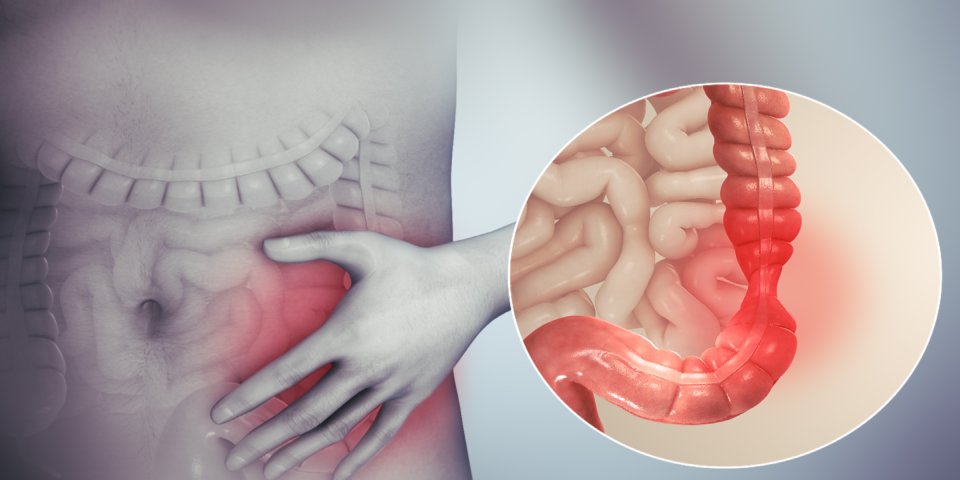
Do you often feel that your stomach is “upset” for no clear reason? Do you struggle with stomach pain, gas, or changing bowel habits that make it hard to plan your day? You are not alone. Millions of people suffer from a sensitive gut, a condition often ignored as just “gas trouble.”
If you are searching for answers about what irritable bowel syndrome feels like or looking for an IBS doctor in Hyderabad, you have come to the right place. Irritable Bowel Syndrome (IBS) is a common but frustrating condition that affects the large intestine. While it is not life-threatening, the IBS flare-ups can severely affect your quality of life.
Dr. N. Subrahmaneswara Babu, a renowned Surgical Gastroenterologist with 18+ years of experience and a Consultant at Apollo Hospital, specializes in diagnosing and managing complex gut disorders. At Hills Gastro & Onco Care, we help you understand your body and find the right IBS treatment to live a pain-free life.
What Is Irritable Bowel Syndrome (IBS)?
IBS is a chronic disorder that involves the large intestine. It is characterized by symptoms such as:
- Abdominal pain or discomfort
- Bloating
- Gas
- Diarrhea or constipation (or alternating between both)
While the exact cause of IBS remains unclear, it is believed to involve a combination of factors including gut motility issues, increased sensitivity of the intestines, and psychological factors such as stress.
Symptoms of IBS Irritable Bowel Syndrome
The signs and symptoms of IBS vary from person to person. For some, it is mild; for others, it is severe. Symptoms often come and go (flare-ups).
Digestive Symptoms of IBS
The most common IBS symptoms include:
-
Stomach Pain and Cramping: Usually in the lower belly. The pain often goes away after you pass stool.
-
Bloating: Your stomach feels full, tight, and gassy (IBS bloated stomach).
-
Change in Bowel Movements: You might have diarrhea, constipation, or both.
-
Gas: Excessive wind or flatulence.
-
Mucus in Stool: Seeing whitish mucus in your poop.
-
Urgency: The sudden need to rush to the toilet (stomach pain and urge to poop).
IBS Symptom Patterns
Doctors classify IBS into three main types based on your poop patterns:
-
IBS-C (Constipation): You struggle to pass stool, your poop is hard/lumpy, and you feel blocked. Constipation in irritable bowel syndrome is very common.
-
IBS-D (Diarrhea): You have frequent loose motions, watery stool, and urgent needs to go. This is often called IBS diarrhea.
-
IBS-M (Mixed): You have both constipation and diarrhea. One day you are blocked, the next day you have loose stools.
What Causes IBS Irritable Bowel Syndrome?
Patients often ask Dr. N. S. Babu, “What causes IBS?” The exact cause is unknown, but several factors trigger it:
- Sensitive Gut: Your colon nerves are overly sensitive. Slight gas can feel like severe IBS cramps.
- Gut-Brain Connection: Stress and anxiety can trigger chemicals in the brain that upset the stomach. This is why you might get a “nervous stomach” before an exam or meeting.
- Food Triggers: Spicy foods, milk (dairy), caffeine, or certain vegetables can start an IBS flare-up.
- Infection: Sometimes, IBS starts after a severe stomach infection (food poisoning/gastroenteritis).
- Gut Bacteria: Changes in the “good bacteria” in your stomach.
Irritable Bowel Syndrome Diagnosis:
How do you know if you have IBS? Unfortunately, there is no single test (like a blood test) to confirm it. It is a “diagnosis of exclusion.”
How IBS Is Diagnosed:
Dr. N. Subrahmaneswara Babu follows a strict protocol to ensure there isn’t a more serious problem:
- Medical History: He will ask about your symptoms. (e.g., Does the pain stop after pooping? How often do you go?)
- Physical Exam: Checking for bloating or tenderness in the abdomen.
- Tests to Rule Out Other Issues: Before confirming IBS, we must ensure it is not an infection, gluten intolerance (Celiac disease), or IBD (Colitis).
- Colonoscopy: In some cases, especially for patients over 45 or those with rectal bleeding, Dr. N. S. Babu may recommend a colonoscopy to check inside the bowel.
It’s essential to consult with a qualified healthcare provider, such as a gastroenterologist in Hyderabad, Dr. N. S. Babu for an accurate diagnosis.
Management Strategies for IBS:
Managing IBS usually needs a combination of treatments based on each person’s specific needs. Here are some effective strategies:
Dietary Changes:
- Low FODMAP Diet: Research indicates that a low FODMAP diet can significantly improve symptoms for many patients. This involves reducing the intake of fermentable carbohydrates that may trigger symptoms.
- Fiber Intake: Increasing soluble fiber can help manage constipation. However, it’s important to introduce fiber gradually to avoid bloating.
- Hydration: Consuming plenty of water is essential for digestive health.
Lifestyle Modifications:
- Regular Exercise: Engaging in physical activity can help alleviate symptoms by promoting healthy digestion.
- Stress Management: Techniques such as yoga, meditation, and deep-breathing exercises can reduce stress levels and improve gut health.
- Sleep Hygiene: Ensuring adequate sleep can positively impact overall health and symptom management.
Medications:
Depending on the severity and type of IBS (IBS-D for diarrhea-predominant or IBS-C for constipation-predominant), various medications may be prescribed:
- Antispasmodics: To relieve cramping.
- Laxatives: For constipation relief.
- Antibiotics: Such as rifaximin for specific cases.
- Probiotics: These may help restore gut flora balance
For severe cases, consult the best surgical gastroenterologist in Hyderabad to rule out complications like intestinal blockages.
When to See a Specialist for IBS Treatment?
Many people ignore symptoms, thinking it is just “bad digestion.” However, some signs indicate you need to see a gastroenterologist in Hyderabad immediately.
Signs You Need Professional IBS Care
Book an appointment with Dr. N. Subrahmaneswara Babu if you have:
- Rectal Bleeding: Blood in your stool is NOT a symptom of IBS. It could be piles or something else.
- Weight Loss: Losing weight without trying.
- Severe Pain: Pain that doesn’t go away or wakes you up at night.
- Anemia: Low iron levels.
- Family History: If anyone in your family has colon cancer or celiac disease.
- New Symptoms after age 50.
Why Choose Hyderabad's Top IBS Specialists?
Hyderabad boasts advanced healthcare facilities and expert doctors like Dr. N.S. Babu is a renowned gastroenterologist in Kompally, Secunderabad, Hyderabad. Here’s why locals trust him:
- Expertise: An experienced gastroenterologist & Laparoscopic Surgeon in Hyderabad with 18+ years of experience in treating IBS.
- Accurate Diagnosis: Uses advanced tests (colonoscopy, stool tests) to identify IBS triggers.
- Advanced Healthcare Facilities: Clinics like Apollo Hospital Hyderabad and Hills Gastro & Onco Care offer modern technology for quick, accurate diagnosis.
- Personalized Care: Tailors diet plans and treatments to your needs.
- Holistic Approach: Combines diet, lifestyle, and stress management for long-term relief.
If you’re searching for the best IBS treatment in Hyderabad, Dr. N. S. Babu’s offers comprehensive care with minimal wait times.
Conclusion:
Living with IBS can be challenging, but with the right guidance, relief is possible. By combining a balanced diet, stress management, and expert care from the Best IBS Specialists in Hyderabad & Secunderabad, you can regain control of your gut health. Renowned experts like Dr. N.S. Babu at Apollo Hospital Hyderabad and Hills Gastro & Onco Care offer advanced diagnostics and personalized treatment plans, ensuring you receive the best IBS treatment in Hyderabad. Their holistic approach addresses root causes, not just symptoms.
If stomach pain, bloating, or irregular bowel habits disrupt your life, take action today. Call us at 94908 08080 to consult our trusted specialists and start your journey toward lasting relief.