
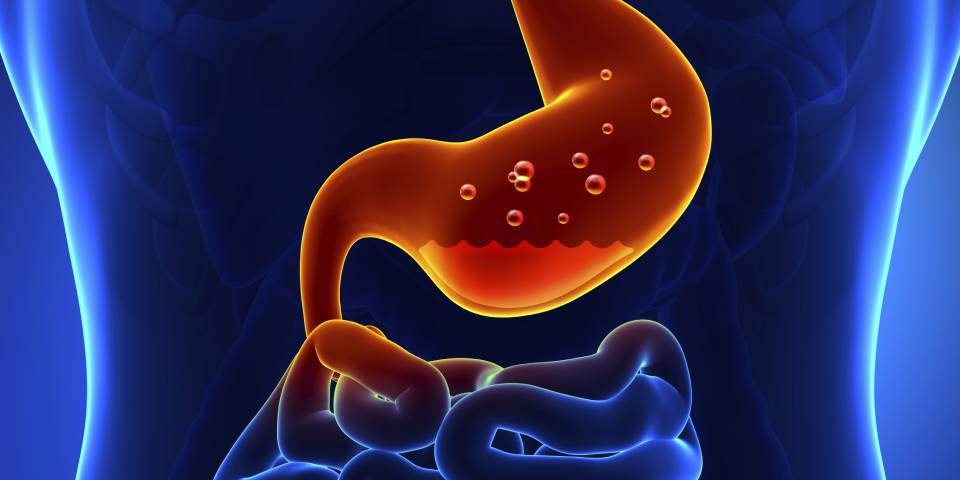
Do you often feel a burning sensation in your chest after a heavy meal? Or perhaps you feel like food is coming back up into your throat when you lie down? You might be suffering from GERD.
While many people in India dismiss this as simple “acidity” or “gas,” chronic acid reflux can damage your food pipe if left untreated. At Hills Gastro & Onco Care, we see hundreds of patients every month struggling with sleep and digestion due to this condition.
Dr. N. Subrahmaneswara Babu, a renowned Surgical Gastroenterologist in Hyderabad with over 18+ years of experience, explains that understanding GERD is the first step to a pain-free life. This guide covers everything from GERD symptoms and remedies to the best GERD treatment in Hyderabad.
What Is GERD? (GERD Meaning & Medical Definition)
GERD stands for Gastroesophageal Reflux Disease.
In simple terms, it is a digestive disorder where stomach acid frequently flows back into the tube connecting your mouth and stomach (esophagus). This backwash (acid reflux) irritates the lining of your esophagus.
Is GERD the same as Acid Reflux? Not exactly. “Acid reflux” is the action of acid backing up. GERD is the disease or chronic condition that happens when you have mild acid reflux at least twice a week, or moderate to severe reflux at least once a week.
Is GERD acute or chronic? It is usually a chronic (long-term) condition. However, with the right GERD management and lifestyle changes, it is completely controllable.
What Are the Common Signs and GERD Symptoms?
Recognizing GERD signs and symptoms early can save you from severe damage. Symptoms vary from person to person.
Typical GERD Symptoms
- Heartburn: A burning pain or discomfort that may move from your stomach to your chest, or even up to your throat. This is the most common sign.
- Regurgitation: A sour or bitter-tasting acid backing up into your throat or mouth. You might feel like “food is stuck in the chest.”
- Dysphagia: Difficulty swallowing or a sensation that food is stuck in your food pipe.
- Excess Burping & Gas: Constant belching or feeling bloated after meals.
Atypical & Silent GERD Symptoms
Some patients have “Silent GERD” (LPR) where they don’t feel the burn but have other issues:
- GERD Cough: A persistent dry cough that doesn’t go away with cough syrup.
- Throat Pain & Lump Sensation: A feeling of a lump in the throat (Globus sensation) or constant need to clear the throat.
- GERD Nausea: Feeling sick to your stomach, especially in the morning.
- GERD Bad Breath: Stomach acid can cause halitosis (bad smell from mouth).
- GERD Symptoms at Night: Waking up choking, coughing, or with a sour taste in the mouth.
Can GERD Cause Breathing Problems or Chest Pain?
This is a very common question we get at our clinic. The answer is Yes.
- GERD and Asthma: Stomach acid can enter the airways and damage the lungs, triggering asthma-like symptoms or making existing asthma worse.
- GERD Chest Pain: The pain from GERD can be sharp and severe, often mimicking a heart attack. This is called “Non-Cardiac Chest Pain.”
Note: If you have severe chest pain, always consult a doctor immediately to rule out heart issues first. - Shortness of Breath: Acid irritation can cause the airways to tighten, leading to breathing problems.
What Causes GERD? (Risk Factors & Triggers)
Why do you get GERD? It usually happens because a valve at the end of your esophagus, the Lower Esophageal Sphincter (LES), does not close properly.
Common Causes
- Weak LES: If this muscle is weak, acid leaks back up.
- Hiatal Hernia & GERD: This is a condition where the upper part of your stomach bulges up into the chest. This is a major cause of severe reflux.
- Obesity: Excess belly fat puts pressure on the stomach, pushing acid up.
- Lifestyle: Smoking, alcohol, and high stress levels relax the valve, allowing acid to escape.
GERD Causes by Condition
- GERD in Pregnancy: Hormonal changes and the growing baby press on the stomach, causing heartburn 7 months pregnant or earlier.
- GERD in Infants: Babies often spit up (reflux) because their digestive system is not fully developed.
- Dietary Habits: Eating large meals or lying down immediately after eating (common in Indian households) triggers reflux.
GERD Diagnosis – Tests & Investigations
If you have symptoms more than twice a week, you need to see a GERD doctor. Dr. N. Subrahmaneswara Babu uses precise methods to diagnose the issue:
- Upper GI Endoscopy: A thin, flexible tube with a camera examines the food pipe. This checks for inflammation (Esophagitis) or complications.
- 24-hour pH Monitoring: This is the “Gold Standard” test. It measures how much acid comes up into your esophagus over a day.
- Manometry: Checks if your esophageal muscles are working correctly.
These tests help in grading the severity (e.g., GERD Grade A, B, C, or D) and deciding the treatment.
How Is GERD Treated? (Medical & Lifestyle Management)
Treatment depends on the severity of your condition.
GERD Medicines
- Antacids: Provide quick relief by neutralizing stomach acid (e.g., Digene, Gelusil).
- H2 Blockers: Reduce acid production.
- PPIs (Proton Pump Inhibitors): These are strong acid suppressors (like Pantoprazole or Rabeprazole) that heal the food pipe.
- Warning: Never take GERD tablets long-term without a doctor’s prescription.
Lifestyle Changes for GERD Relief
- Sleeping Position: Sleep with your head elevated. Use a GERD wedge pillow to use gravity to keep acid down. Lying on your left side is best for digestion.
- Weight Loss: Losing even a few kilos reduces pressure on the stomach.
- Meal Timing: Finish dinner at least 2–3 hours before sleeping.
GERD Diet – What to Eat & What to Avoid
In India, our diet is rich in spices, which can be a major trigger. Here is a simple GERD food chart:
Foods That Trigger GERD (Foods to Avoid)
- Spicy Foods: Chillies, excessive masala, and pickles.
- Fried Items: Samosas, pakoras, and oily curries slow down digestion.
- Acidic Foods: Citrus fruits (lemons, oranges), tomatoes, and tamarind.
- Beverages: Coffee, tea, carbonated drinks (soda), and alcohol.
- Others: Chocolate and peppermint can relax the LES valve.
GERD Friendly Foods (Foods to Eat)
- Non-Citrus Fruits: Bananas, melons, apples, and pears.
- Vegetables: Green beans, broccoli, cucumbers, and leafy greens.
- Yogurt (Curd): Fresh curd is a natural probiotic that soothes the stomach.
- Oatmeal: Absorbs stomach acid and is great for breakfast.
- Cold Milk: Small amounts of cold fat-free milk can provide temporary relief.
GERD Home Remedies & Natural Treatment Options
Many patients ask, “Can GERD be treated naturally?” While severe cases need medicine, home remedies help mild symptoms:
- Ginger Tea: Ginger aids digestion. Sip on warm (not hot) ginger tea.
- Aloe Vera Juice: Drinking a small amount can soothe the burning sensation.
- Chewing Gum: Chewing sugar-free gum increases saliva, which neutralizes acid.
- Yoga Poses for GERD: Gentle yoga like Vajrasana (sitting on heels) after meals aids digestion. Avoid inverted poses like headstands.
GERD Complications If Left Untreated
Is GERD dangerous? If you ignore it for years, yes. Chronic acid exposure can lead to:
- Esophagitis: Severe inflammation and ulcers in the food pipe.
- Strictures: Narrowing of the food pipe causing difficulty in swallowing.
- Barrett’s Esophagus: A precancerous change in the cells of the esophagus.
- Esophageal Cancer: In rare, untreated cases, chronic damage can lead to cancer.
Early diagnosis at Hills Gastro & Onco Care can prevent these risks.
When Should You See a GERD Doctor or Specialist?
You should book an appointment with a GERD specialist near me if:
- You take antacids more than twice a week.
- Your symptoms wake you up at night.
- You have difficulty swallowing or food feels stuck.
- You have unexplained weight loss or vomiting.
Dr. N. Subrahmaneswara Babu is a top-rated Gastroenterologist in Hyderabad who specializes in complex GERD cases.
GERD Surgery – When Is It Needed?
Most people get better with medicine and diet. However, surgery might be the best option if:
- Medicines no longer work.
- You have a large Hiatal Hernia.
- You want to stop taking lifelong medication.
Fundoplication (GERD Surgery): This is a laparoscopic (keyhole) surgery where the top part of the stomach is wrapped around the lower esophagus to tighten the muscle and stop acid leaks. It is a highly successful GERD permanent treatment.
Why Choose Dr. N. S. Babu for GERD Treatment in Hyderabad?
When it comes to digestive health, experience matters.
- Trust & Expertise: Dr. N. Subrahmaneswara Babu has 18+ years of experience and has treated thousands of patients with acid reflux and hernia issues.
- Advanced Care: At Hills Gastro & Onco Care, we use the latest diagnostic tools like high-definition endoscopy.
- Patient-Centric: We focus on avoiding unnecessary surgeries. We try diet and lifestyle changes first.
- Affordable: We provide transparent pricing for GERD endoscopy cost and treatments.
Final Thoughts – Living Well With GERD
You do not have to live with the burning pain of GERD. With the right diet, lifestyle adjustments, and expert medical guidance, you can sleep peacefully and eat without fear. GERD recovery time varies, but most patients feel relief within weeks of starting the right treatment protocol.
Ready to Beat Acid Reflux? Don’t rely on temporary home remedies forever. Get a permanent solution. Call 094908 08080 Hills Gastro & Onco Care today to book your consultation with Dr. N. Subrahmaneswara Babu.