Understanding IBD and IBS: Symptoms, Diagnosis, and Management

Digestive problems are becoming more common in India, especially in growing cities like Hyderabad. Many people experience stomach pain, gas, bloating, and irregular motions, but don’t realise they could be signs of deeper issues like Inflammatory Bowel Disease (IBD) or Irritable Bowel Syndrome (IBS). These two conditions may seem alike, but they are very different in nature, symptoms, and treatment. Knowing the difference is very important so that the right treatment can be started on time. For expert advice and treatment, it’s best to visit an experienced IBD IBS specialist in Hyderabad like Dr. N Subrahmaneswara Babu, one of the top medical and surgical gastroenterologists in Hyderabad at Apollo Hospitals and EVOKE Clinics. This blog will help you clearly understand IBD vs IBS, their symptoms, how doctors diagnose them, and the best treatment options available from trusted IBD and IBS surgeons in Hyderabad.

What is Inflammatory Bowel Disease (IBD)?

Inflammatory Bowel Disease refers to chronic inflammation or swelling of the intestines. The two main types of IBD are:

  • Crohn’s Disease: Can affect any part of the digestive tract from mouth to anus
  • Ulcerative Colitis: Primarily involves the large intestine (colon)

IBD is an autoimmune disorder where the body’s immune system mistakenly attacks healthy tissues in the digestive tract. This results in visible damage to the intestinal lining that can be seen during medical tests. IBD can run in families, with about 5-20% of patients having a first-degree relative with the condition.

What is Irritable Bowel Syndrome (IBS)?

IBS is a functional condition related to problems with how your brain and gut work together. Unlike IBD, IBS doesn’t cause inflammation or visual damage to the digestive tract. It’s considered a functional gastrointestinal disorder or a disorder of the gut-brain interaction.

IBS is classified into various types based on bowel movement patterns:

  • IBS with constipation (IBS-C): Hard or lumpy stools are common
  • IBS with diarrhea (IBS-D): Loose or watery stools are predominant
  • IBS with mixed bowel habits (IBS-M): Both constipation and diarrhea occur

Symptoms: How to Tell IBD and IBS Apart?

IBD Symptoms:

Patients with Inflammatory Bowel Disease typically experience:

  • Rectal bleeding and bloody diarrhea
  • Severe abdominal cramping and pain
  • Unintended weight loss
  • Reduced appetite
  • Persistent fatigue
  • Fever during flare-ups
IBS Symptoms:

People with Irritable Bowel Syndrome commonly report:

  • Chronic abdominal pain or discomfort
  • Changes in bowel habits (diarrhea, constipation, or alternating between both)
  • Bloating and gas
  • No rectal bleeding or weight loss (important distinction from IBD)
  • Symptoms that often worsen with stress

An important distinction is that IBS does not develop into IBD or cause permanent harm to your intestines, although it can significantly affect your quality of life. If you notice red flags like bleeding or weight loss, consult a top gastroenterologist in Hyderabad like Dr. N. S. Babu immediately. Delayed IBD treatment can worsen complications.

Diagnosing IBD (Inflammatory Bowel Disease):

Proper diagnosis of IBD typically requires several tests:

  • Blood tests to check for inflammation markers
  • Stool samples to rule out infections
  • Colonoscopy or endoscopy to visualize the digestive tract
  • Tissue biopsies to confirm inflammation
  • CT scans or MRIs to assess the extent of the disease

Dr. N. S. Babu, a senior gastroenterologist in Hyderabad, is an expert in diagnosing and treating IBD. He carefully guides patients through the right tests, explains the results clearly, and ensures the correct treatment from day one.

Diagnosing IBS (Irritable Bowel Syndrome):

IBS diagnosis relies primarily on:

  • Patient history and symptom review
  • Physical examination
  • The Rome IV criteria, which require recurrent abdominal pain associated with defecation or changes in bowel habits
  • Ruling out “red flags” like anemia, blood in stool, unintentional weight loss, or a family history of colorectal cancer

Usually, only a few tests are needed.

Dr. N. S. Babu also helps with IBS diagnosis using a gentle, patient-friendly approach, giving clear answers and proper care.

Treatment and Management: Expert Options in Hyderabad:

IBD Treatment:

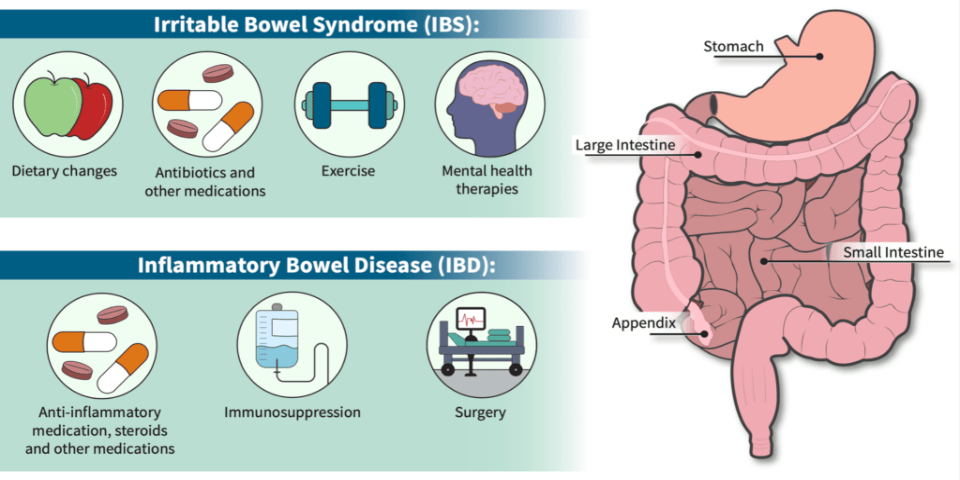
Inflammatory Bowel Disease (IBD), which includes conditions like Crohn’s disease and Ulcerative Colitis, needs careful and ongoing treatment. The goal is to decrease inflammation in the intestines, manage signs, and prevent serious complications.

Here are the common treatment methods used by experts like Dr. N. S. Babu:

  • Anti-inflammatory drugs
  • Immune system suppressors
  • Biologics for moderate to severe cases
  • Antibiotics for infections
  • Nutritional supplements
  • Surgery in severe cases that don’t respond to medication

In Hyderabad, several hospitals offer comprehensive IBD treatment programs with the latest medications and surgical options when necessary.

IBS Management:

Irritable Bowel Syndrome (IBS) is different from IBD and usually does not cause permanent damage to the intestines. The focus of IBS treatment is on managing symptoms and making lifestyle improvements. Here’s how Dr. N. S. Babu helps patients manage IBS:

  • Dietary changes (identifying trigger foods)
  • Fiber supplements for constipation-predominant IBS
  • Medications for specific symptoms:
    • For IBS-D: Loperamide, rifaximin, eluxadoline
    • For IBS-C: Fiber supplements, laxatives, lubiprostone
  • Stress reduction techniques
  • Regular physical activity
  • Adequate sleep

Dr. N. S. Babu emphasizes holistic care for IBS, combining diet advice, medications, and mental health support for long-term relief.

What Happens If IBD Is Not Treated?

Ignoring IBD can lead to serious health problems like:

  • Bowel narrowing (called strictures), which blocks digestion
  • Fistulas, or abnormal openings between organs
  • Poor nutrient absorption, causing weight loss and weakness
  • Increased risk of colon cancer, especially in long-term ulcerative colitis

That’s why early treatment is very important. Dr. N.S. Babu offers modern, minimally invasive surgeries and long-term care plans in Hyderabad to prevent these complications.

How IBS Affects Daily Life?

While IBS doesn’t damage your organs, it can affect your routine:

  • Constant tiredness because of pain and bloating
  • Worry about symptoms showing up during work or travel
  • Avoiding social events due to fear of embarrassment

Getting help from an IBS doctor in Hyderabad, like Dr. N.S. Babu can make daily life more comfortable with simple, effective treatments.

Simple Lifestyle Changes to Manage IBS:

Change in Eating Habits:
  • Avoid common triggers: Cut down on spicy food, oily snacks, and caffeine. Try eating home-cooked meals.
  • Increase fibre slowly: Eat oats, bananas, or papaya for smooth digestion.
  • Drink enough fluids: Go for buttermilk, jeera water, or tender coconut water to stay hydrated.
Reduce Stress Naturally:
  • Yoga and breathing exercises (like pranayama) help relax your stomach and mind.
  • Sleep well: Get 7–8 hours of rest every night.
  • Talk to someone: Counselling or therapy can ease anxiety that worsens IBS.

Take Control of Your Gut Health with Expert Care in Hyderabad:

Managing IBD and IBS requires accurate diagnosis, lifestyle changes, and expert care. If you’re in Hyderabad, consult Dr. N. S. Babu, a trusted IBD and IBS specialist, for personalized treatment. With the right approach, you can reduce flare-ups and improve your quality of life.

Book an Appointment, Visit Our Evoke Clinic, or call 9490808080 for the best inflammatory bowel disease treatment in Hyderabad.
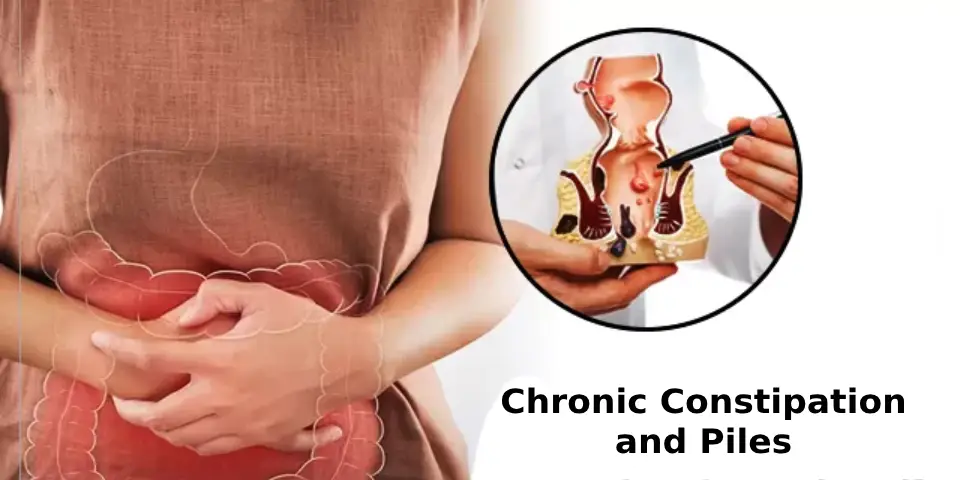
Chronic Constipation and Piles: Strategies for Improving Bowel Regularity

Chronic constipation and piles (hemorrhoids) affect millions of Indians daily, causing discomfort, pain, and disruptions to work and personal life. These linked conditions often stem from poor bowel habits, low-fiber diets, or prolonged sitting. Straining during constipation increases rectal pressure, leading to swollen veins (piles) that may bleed or protrude. The good news? Simple changes like eating whole grains, vegetables, and lentils (25-30g fiber daily), drinking 8-10 glasses of water, and daily walks can soften stools and reduce straining. For those who still struggle, Dr. N. S. Babu, a top Surgical Gastroenterologist in Hyderabad, provides modern constipation treatment in Hyderabad, such as biofeedback therapy and painless laser surgery. With over 15 years of experience at Apollo Hospitals and EVOKE Clinics, Dr. N. S Babu ensures safe, long-term relief from chronic constipation and piles.

Understanding Chronic Constipation and Piles:

What is Chronic Constipation?

Chronic constipation refers to infrequent bowel movements (typically less than three times a week) that persist for several weeks or longer. It usually involves passing difficult, dry stools that may be painful or difficult to expel. Many patients struggle with symptoms like straining, a feeling of incomplete evacuation, or using manual maneuvers to facilitate bowel movements.

What are Piles (Hemorrhoids)?

Piles, medically known as hemorrhoids, are swollen blood vessels in and around the anus and lower rectum. They can be inner (inside the rectum) or external (under the skin around the anus). When internal hemorrhoids become enlarged, they may prolapse (protrude outside the anal opening) and cause significant discomfort.

The Connection Between Constipation and Piles:

Chronic constipation and piles often occur together because straining during bowel movements increases pressure on the veins in the rectum. This stress can lead to the development or worsening of hemorrhoids. Breaking this cycle is necessary for effective management of both conditions.

Dietary Strategies for Improving Bowel Regularity:

How Can Fiber Help with Constipation and Piles?

Increasing dietary fiber is the cornerstone of managing both constipation and hemorrhoids. Fiber adds bulk to stool and helps it retain fluids, making it softer and easier to pass. The Dietary Guidelines recommend 25 to 34 grams of fiber daily.

Best Sources of Natural Fiber:
  • Whole grains like wheat, jowar, and ragi
  • Legumes such as rajma, chana, and moong dal
  • Fresh fruits with edible peels
  • Leafy vegetables and other vegetables
  • Nuts and seeds

A systematic review confirmed that fiber supplements moderately improve overall symptoms and bleeding from hemorrhoids and should be recommended at an early stage of treatment.

Why is Adequate Hydration Important?

Drinking sufficient water (8-10 glasses daily) keeps stools soft by ensuring proper hydration. This is especially important when increasing dietary fiber intake to prevent bloating and gas that can occur with sudden fiber increases.

Lifestyle Modifications for Bowel Health:

How Can Regular Physical Activity Help?

Regular exercise improves intestinal muscle tone and stimulates gut motility, which helps move stool through the colon. Even simple activities like a 30-minute daily walk can significantly improve constipation symptoms.

What Are Good Toilet Habits?

Establishing a regular bathroom routine is crucial for bowel regularity. Try to visit the toilet 15 to 45 minutes after meals when the gastrocolic reflex is strongest. Never ignore the urge to pass stool, as this can lead to harder stools over time. Also, avoid straining and prolonged sitting on the toilet, as these habits can worsen hemorrhoids.

Medical Management of Chronic Constipation:

When Should You Consider Laxatives?

When dietary and lifestyle changes aren’t enough, various laxatives may help manage constipation. The latest clinical guidelines recommend a step-wise approach:

First Line:
  • Bulk-forming laxatives like ispaghula husk (1 sachet twice daily)
Second Line:
  • Osmotic laxatives such as polyethylene glycol (Macrogols like Movicol, 1-3 sachets daily)
  • Stimulant laxatives like senna (2-4 tablets at night) or bisacodyl (5-10mg at night), particularly when stools are soft but difficult to pass

Recent guidelines from the American College of Gastroenterology (ACG) and American Gastroenterological Association (AGA) have also recommended magnesium oxide and senna as evidence-based treatments for chronic constipation.

Treatment Options for Piles:

What Conservative Treatments Work for Piles?

Most patients with piles can be treated in primary care settings with:

  • Dietary advice (high fiber)
  • Improved anal hygiene
  • Sitz baths for symptom relief
  • Topical preparations containing local anesthetics or mild astringents (for short-term use)

When Is Medical Intervention Needed for Piles?

When conservative treatments fail, several office-based procedures may help, including:

  • Rubber band ligation for internal hemorrhoids
  • Sclerotherapy
  • Infrared coagulation

For advanced cases, minimally invasive procedures like Doppler-guided hemorrhoidal artery ligation are available, which are relatively painless with minimal recovery time.

When to Consult a Surgical Gastroenterologist in Hyderabad?

Seek professional medical advice if you experience:

  • Persistent constipation despite lifestyle changes
  • Rectal bleeding
  • Severe pain during bowel movements
  • Grade III or IV hemorrhoids with significant prolapse

Dr. N. S. Babu, a renowned Surgical Gastroenterologist in Hyderabad, specializes in advanced treatments for chronic constipation and piles. With expertise in laparoscopic surgery and other minimally invasive techniques, Dr. Babu provides comprehensive care at EVOKE Clinics, Secunderabad, and Apollo Hospitals, Hyderabad.

Conclusion:

Chronic constipation and piles are manageable conditions with proper dietary, lifestyle, and medical interventions. Start with increasing fiber intake, staying hydrated, and maintaining regular physical activity. If symptoms persist, consult a Gastroenterologist in Hyderabad for specialized care and treatment options.

For piles treatment in Hyderabad or constipation treatment in Hyderabad, Dr. N. S. Babu offers evidence-based approaches tailored to individual needs. As an experienced piles surgeon and laparoscopic surgeon in Hyderabad, he ensures the most effective and least invasive treatment modalities for optimal patient outcomes. For expert care in constipation and piles surgery in Hyderabad, book your appointment with Dr. N. S. Babu today.

The Role of Weight Management in Reducing GERD Symptoms: A Comprehensive Guide

Gastroesophageal reflux disease (GERD) is a rising concern in India, causing symptoms like heartburn, chest pain, and regurgitation. Studies now show that weight management is one of the most effective ways to reduce GERD symptoms, as extra weight puts pressure on the stomach and worsens acid reflux. Even modest weight loss can lead to significant relief and a better quality of life for GERD patients. Consulting a Top GERD Surgeon in Hyderabad like Dr. N. S. Babu can help you get a personalized plan for GERD treatment, combining lifestyle changes and expert care for lasting results.

Understanding GERD and Its Relationship with Body Weight:

Gastroesophageal reflux disease (GERD) happens when stomach acid regularly backs up into the tube that connects your mouth to your stomach (esophagus). This backwash of acid irritates the lining of your esophagus, causing uncomfortable symptoms and potential complications. Common symptoms include heartburn, chest pain, difficulty swallowing, sensation of a lump in the throat, regurgitation of food, and chronic cough.

The connection between GERD and excess weight is particularly significant. Research shows that obesity, especially abdominal obesity, plays a key role in causing GERD symptoms through both mechanical and metabolic effects. When excess weight accumulates in the abdominal area, it increases pressure on the stomach, which can force stomach contents up into the esophagus.

How Excess Weight Affects GERD?

Excess body weight affects GERD in several important ways:

  • Increased Abdominal Pressure: Extra weight in the abdomen puts pressure on the stomach, leading to more stomach acid and more frequent heartburn and chest pain.
  • Disruption of Anti-reflux Mechanisms: Abdominal fat can disrupt the normal function of the lower esophageal sphincter (the muscle that prevents stomach contents from flowing back).
  • Inflammatory Effects: Recent studies suggest that visceral adipose tissue (belly fat) produces cytokines that can cause esophageal inflammation through mechanisms independent of reflux. This inflammation may weaken the esophageal mucosal barrier, making it more susceptible to damage from acid.
  • Enhanced Symptom Severity: Even being slightly overweight can raise the risk of developing GERD and worsen existing symptoms

Benefits of Weight Management for GERD Patients:

For people suffering from GERD, the good news is clear – weight loss can significantly improve symptoms. Dr. N. S. Babu, gastroenterologists in Hyderabad explains, “Weight loss is often the first line of defense against GERD. It reduces pressure on the stomach, preventing acid reflux naturally.” Let’s break down how managing weight helps:

  • Reduced Abdominal Pressure: Losing weight, particularly abdominal fat, eases pressure on the stomach and gastroesophageal sphincter. This reduced pressure helps prevent stomach acid from flowing back into the esophagus, directly addressing one of the main mechanical causes of GERD.
  • Decreased Inflammation: Weight loss can reduce the production of inflammatory substances by fat tissue that may contribute to esophageal inflammation and damage. By losing weight, especially visceral fat, patients may experience relief from GERD symptoms through both mechanical and metabolic improvements.
  • Improved Treatment Outcomes: While medications can provide temporary relief from GERD symptoms, weight loss offers a more sustainable solution by addressing underlying causes. Many patients find that even modest weight loss can lead to significant symptom improvement, sometimes reducing or eliminating the need for medications.

Effective Weight Management Strategies for GERD Relief:

Dietary Approaches for Weight Loss and GERD Management:

When it comes to managing both weight and GERD symptoms, certain dietary strategies can be particularly effective:

Eat Smaller, More Frequent Meals:

Consuming smaller meals more frequently throughout the day can reduce digestive load and prevent stomach overfilling. This approach helps prevent reflux into the esophagus and supports weight management by controlling portion sizes.

Balance Your Plate Wisely:

For each meal, aim to include:

  • Half your plate filled with non-starchy vegetables (like spinach, broccoli, or peppers)
  • One-quarter of your plate with lean protein (such as low-fat cuts of red meat, chicken, seafood, or tofu)
  • One-quarter of your plate with whole grains, fruits, or starchy vegetables (like potatoes, corn, beans, or peas)

This balanced approach provides essential nutrients while supporting weight management goals.

Limit Added Sugars:

Many processed foods contain hidden added sugars that contribute to weight gain. Look for added sugars on nutrition labels and try to limit them to no more than 36 grams per day for men or 24 grams per day for women. Choose unsweetened beverages like water, sparkling water, or unsweetened tea instead of sugary drinks.

Physical Activity Recommendations:

Moderate physical activity appears beneficial for GERD management, while intense exercise may trigger symptoms in some individuals. Consider these guidelines:

  • Engage in regular, moderate-intensity activities like walking, swimming, or cycling
  • Wait for at least 2 hours after eating before you start exercising.
  • Avoid exercises that involve lying flat or bending over immediately after meals
  • Start slowly and gradually increase intensity and duration

GERD Treatment Options Available at Dr. N.S. Babu's Clinics:

Dr. N. Subrahmaneswara Babu is recognized as one of the best surgical gastroenterologists in Hyderabad, with over 18 years of experience in abdominal surgeries. For residents of Hyderabad suffering from persistent GERD symptoms, several treatment options are available at Hills Gastro & Onco Care, Apollo Hospitals in Hyderabad:

Conservative Management:

The first line of treatment typically includes lifestyle modifications and medications:

  • Weight management strategies
  • Dietary changes (avoiding trigger foods)
  • Medicines like antacids, H2 blockers, or proton pump inhibitors.
Surgical Interventions When Needed:

If conservative treatments don’t work, surgery may be an option.

In Hyderabad, As a consultant at Hills Gastro & Onco Care and Apollo Hospitals in Hyderabad patients have access to advanced surgical treatments for GERD, including:

  • Laparoscopic Nissen Fundoplication: A minimally invasive procedure that strengthens the lower esophageal sphincter
  • Bariatric Surgery: For patients with obesity and GERD, weight loss surgery may address both conditions simultaneously

When to Consult a GERD Specialist in Hyderabad?

While weight management and lifestyle changes can significantly ease GERD symptoms, some cases require expert medical care. If your symptoms persist or worsen despite your efforts, it’s time to consult a Top GERD Surgeon in Hyderabad like Dr. N. S. Babu, widely recognized as one of the Best Gastroenterologists in Hyderabad.

Signs You Need Professional GERD Treatment:

Dr. N. S. Babu, a leading Laparoscopic Surgeon, and GERD specialist advises patients to seek help if they experience:

  • Persistent heartburn or regurgitation even after dietary changes and weight loss.
  • Difficulty swallowing or discomfort while swallowing (could show esophageal damage).
  • Unexplained weight loss or loss of appetite.
  • Nighttime symptoms disrupt sleep, like chronic cough or choking sensation.
  • No relief from over-the-counter antacids or acid blockers after 2-3 weeks.

Ignoring these signs may lead to complications like esophageal ulcers, strictures, or Barrett’s esophagus (a precancerous condition).

Conclusion:

Managing weight effectively is key to controlling GERD symptoms. Simple changes like eating smaller meals, avoiding trigger foods, and staying active can reduce acid reflux and improve digestion. For those struggling with persistent symptoms, expert guidance from a GERD Surgeon in Hyderabad like Dr. N. S. Babu ensures personalized care. With over 15 years of experience in advanced laparoscopic procedures, Dr. Babu offers tailored solutions, from lifestyle adjustments to surgical interventions if needed. If you’re encountering persistent GERD signs, don’t delay. Schedule a consultation with Dr. N. S. Babu, one of the Top GERD Specialist in Hyderabad, today and start your journey towards better digestive health.

Advanced Gastroenterology Treatments in Hyderabad: How Dr. N. S. Babu Can Help You

Digestive health is an essential aspect of overall well-being, and finding the right specialist can make all the difference when dealing with gastrointestinal issues. Hyderabad is home to some of the best hospitals and gastroenterologists, including Dr. N. Subrahmaneswara Babu, a leading Surgical Gastroenterologist and Advanced Laparoscopic Surgeon. With over 15+ years of expertise, Dr. Babu offers advanced treatments for various gastrointestinal conditions, ensuring patient safety and faster recovery. Let’s explore these treatments and how Dr. Babu can help you regain comfort.

Understanding Gastroenterology Treatments:

Gastroenterology focuses on diagnosing and treating disorders related to the stomach, intestines, liver, pancreas, and other digestive organs. Common conditions include acid reflux, irritable bowel syndrome (IBS), ulcers, gallstones, hernias, and cancers of the digestive tract.

Hyderabad boasts world-class facilities like Apollo Hospitals and Evoke Clinics that provide cutting-edge diagnostic tools such as endoscopy, colonoscopy, fibroscan, and minimally invasive surgical techniques like laparoscopic and laser procedures.

Why Choose Dr. N. S. Babu for Gastroenterology Treatments in Hyderabad?

Dr. Babu is recognized as one of the best gastroenterology doctors in Hyderabad. Known for his expertise in minimally invasive procedures, he provides personalized care at Evoke Clinic, Secunderabad, and Apollo Hospital, Hyderabad. His approach combines cutting-edge technology with compassionate treatment, making him a top choice for patients seeking relief from painful gastrointestinal conditions. Here’s why he stands out:

  • Extensive Experience: With over 15+ years in surgical gastroenterology, Dr. Babu has successfully performed more than 10,000 surgeries.
  • Advanced Techniques: He excels in minimally invasive laparoscopic and laser surgeries for conditions like hernias, gallbladder diseases, and appendicitis.
  • Comprehensive Care: Dr. Babu ensures detailed preoperative and postoperative care for optimal outcomes.
  • Trusted Locations: He practices at renowned facilities such as Evoke Clinics and Apollo Hospitals in Hyderabad.
  • Patient-Centric Approach: Known for his honest assessments and focus on patient safety.

What Types of Digestive Disorders Are Treated by Dr. N. S. Babu?

Dr. N. S. Babu, a top gastroenterologist in Hyderabad at Evoke Clinic and Apollo Hospital, specializes in treating a wide range of digestive disorders. His expertise spans both common and complex gastrointestinal conditions, ensuring comprehensive care for his patients. Below are the key digestive disorders he treats:

Gallbladder and Biliary Tract Disorders:
  • Gallstones and biliary stones
  • Cholecystitis (inflammation of the gallbladder)
  • Bile duct obstructions and strictures

Dr. Babu uses advanced laparoscopic techniques for gallbladder removal, ensuring minimal pain and faster recovery.

Gastroesophageal Reflux Disease (GERD) and Acidity:
  • Chronic acid reflux
  • Hiatal hernia
  • Persistent heartburn

He provides tailored treatment plans, including lifestyle modifications, medications, or minimally invasive surgeries.

Colorectal Disorders:

Dr. Babu specializes in laser treatments for piles and fissures, offering quicker recovery with minimal discomfort.

Gastrointestinal Cancers:
  • Stomach cancer
  • Colorectal cancer
  • Pancreatic and liver cancers

He is skilled in performing complex gastrointestinal oncosurgeries to manage these life-threatening conditions effectively.

Hernias:
  • Inguinal, umbilical, and incisional hernias
  • Complex abdominal wall reconstruction

Dr. Babu uses advanced laparoscopic techniques for hernia repair, reducing recovery time significantly.

Liver and Pancreatic Disorders:
  • Hepatitis-related complications
  • Liver abscesses
  • Pancreatitis (acute and chronic)

His expertise includes Hepato-Pancreatico-Biliary (HPB) surgeries for managing severe liver and pancreatic conditions.

Inflammatory Bowel Disease (IBD):
  • Crohn’s disease
  • Ulcerative colitis

He provides long-term management strategies to control symptoms and improve the quality of life for patients with IBD.

Gastritis and Peptic Ulcers:
  • Chronic gastritis
  • Stomach ulcers caused by H. pylori infection or NSAIDs

Dr. Babu ensures accurate diagnosis through endoscopy and effective treatment using medications or surgical interventions when necessary.

Abdominal Trauma:

He is proficient in handling abdominal trauma cases requiring emergency surgical intervention to save lives.

If you’re dealing with any of these digestive disorders, consulting Dr. N. S. Babu can help you regain your health with personalized care plans tailored to your needs.

Advanced Gastroenterology Treatments Available at Dr. N. S. Babu Clinic:

Dr. N. S. Babu employs cutting-edge technologies to diagnose and treat digestive disorders effectively:

  • Endoscopy & Colonoscopy: For accurate diagnosis of stomach and intestinal issues.
  • Laparoscopic Surgery: Minimally invasive procedures for conditions like hernias and appendicitis.
  • Laser Treatments: Advanced care for piles and other anorectal conditions.
  • GI Cancer Surgery: Specialized care for cancers affecting the stomach, liver, pancreas, colon, or rectum.

When Should You Consult a Gastroenterologist?

You should consider visiting a gastroenterologist if you experience symptoms such as:

  • Persistent abdominal pain or bloating
  • Chronic constipation or diarrhea
  • Heartburn or acid reflux
  • Unexplained weight loss
  • Difficulty swallowing
  • Blood in stool or vomiting

Early consultation can prevent complications and lead to better outcomes.

Book an Appointment with Dr. N.S. Babu the Best Gastroenterologist in Hyderabad?

If you’re looking for advanced gastroenterology treatments in Hyderabad, trust Dr. N. S. Babu, one of the best gastroenterologists in Hyderabad. With over two decades of experience, he specialises in treating piles, fissures, fistulas, GERD, gallstones, hernias, and other digestive problems using the latest techniques like laser and laparoscopic surgery. Patients receive personalised care at Evoke Clinic, Secunderabad and Apollo Hospital, Hyderabad — two of the best hospitals for gastro problems in the city. From diagnosis to recovery, everything is handled under one roof with a focus on safety, comfort, and long-term relief.

Book an appointment today with Dr. N. S. Babu – call us at 94908 08080 for expert digestive care tailored just for you.

When Should You Consider Surgery for GERD?

Gastroesophageal reflux disease (GERD) can disrupt your daily life with symptoms like heartburn, chest pain, and acid regurgitation. While medications and lifestyle changes often provide relief, what happens when these treatments fail? Should you consider surgery for GERD? For patients in Hyderabad seeking advanced care, surgical options like laparoscopic fundoplication may offer lasting solutions. Dr. N.S. Babu, one of the best laparoscopic surgeons in Hyderabad, specializes in GERD treatment surgery. Surgery is typically recommended for severe cases where medicine dependence, complications like Barrett’s esophagus, or ongoing signs limit your quality of life. With advanced techniques available at leading clinics in Hyderabad, such as Apollo Hospital, GERD surgery can restore comfort and improve health outcomes effectively.

Understanding GERD: When Do Medicines Fail?

GERD is often managed with:

  • Dietary changes (avoiding spicy/oily foods).
  • Weight loss.
  • Antacids or proton pump inhibitors (PPIs).

However, if symptoms like heartburn, regurgitation, or difficulty swallowing persist even after 6–12 months of consistent treatment, surgery might be the next step. Long-term reliance on medications can also lead to side effects like kidney issues or nutrient deficiencies, making surgery a safer option.

When to Consider Surgery for GERD:

Persistent Symptoms Despite Medication:

If you’ve been taking proton pump inhibitors (PPIs) or other GERD medications regularly but still experience symptoms, surgery might be a viable option. Dr. N.S. Babu, a renowned gastroenterologist surgeon in Hyderabad, suggests that patients who rely heavily on medications without adequate relief should consider surgical alternatives.

Complications of GERD:

Long-term GERD can lead to serious complications such as:

  • Oesophageal strictures
  • Barrett’s esophagus
  • Oesophageal cancer

If you’ve developed any of these conditions, your doctor might recommend surgery to prevent further damage.

Desire to Stop Long-term Medication Use:

Some patients prefer not to take medications indefinitely due to potential side effects or personal preferences. GERD surgery can offer a more permanent solution, reducing or eliminating the need for ongoing medication.

Lifestyle Limitations:

When GERD signs severely restrict your everyday activities, diet choices, or sleep patterns despite conservative measures, surgery can provide relief and enhance your overall quality of life.

Hiatal Hernia:

A hiatal hernia (stomach pushing into the chest) often worsens GERD. Surgery repairs the hernia and strengthens the esophageal valve.

Dependency on Medications:

If you’ve used PPIs for years and fear long-term risks, surgery offers a permanent fix.

Types of GERD Surgery Available in Hyderabad:

Laparoscopic Fundoplication:

This minimally invasive procedure is the most common surgery for GERD. During the procedure, the surgeon covers the upper part of the abdomen near the lower esophagus to strengthen the lower esophageal sphincter. Dr. N. S Babu gastro surgeon & laparoscopic surgeon at Apollo Hospital in Hyderabad is experienced in performing this procedure.

LINX Device Placement:

This innovative technique involves implanting a small magnetic ring around the esophagus to prevent acid reflux while allowing food to pass. Some of the best gastro care clinics in Hyderabad including those at Evoke Clinic offer this advanced treatment option.

Endoscopic Procedures:

Several endoscopic techniques can help strengthen the oesophageal sphincter without invasive surgery. These include:

  • Endoscopic Full Thickness Plication (GERD-X)
  • Anti-reflux mucosectomy (ARMS)
  • Transoral incisionless fundoplication (TIF)

Why Choose Hyderabad for GERD Surgery?

Hyderabad is home to advanced gastrocare clinics and skilled surgeons like Dr. N.S. Babu is a renowned laparoscopic surgeon affiliated with Apollo Hospital Hyderabad and Evoke Clinic. These centers offer:

  • Cutting-edge technology for precise diagnosis and treatment.
  • Affordable costs compared to other metros.
  • Personalized care with minimal recovery time.

At Apollo Hospital Hyderabad, patients receive holistic care, from pre-surgery counseling to post-op diet plans.

Benefits of GERD Surgery:

Opting for GERD treatment surgery in Hyderabad can offer several advantages:

  • Long-term relief from acid reflux symptoms
  • Reduced or eliminated the need for medications
  • Lower risk of GERD-related complications
  • Improved quality of life

How to Prepare for GERD Surgery:

  • Consult a Specialist: Book an appointment with a gastroenterologist surgeon in Hyderabad like Dr. N.S. Babu. Tests like endoscopy or pH monitoring will determine if surgery suits you.
  • Discuss Risks and Benefits: While rare, risks include bloating or difficulty swallowing. Most patients, however, resume normal activities within 2 weeks.
  • Post-Surgery Care: Stick to a soft diet initially and avoid heavy lifting. Regular follow-ups ensure a smooth recovery.

Schedule a Consultation:

If you’re struggling with chronic GERD symptoms that don’t respond to medication or lifestyle changes, it may be time to consider surgical options. Consult with a skilled gastroenterologist in Hyderabad, such as Dr. N. S Babu at Apollo Hospital or Evoke Clinic, to discuss your symptoms and determine if surgery is the right choice for you. Remember, early intervention can prevent complications and significantly improve your quality of life.

By exploring advanced GERD treatment options available in Hyderabad, you can take an important step towards lasting relief and better digestive health.