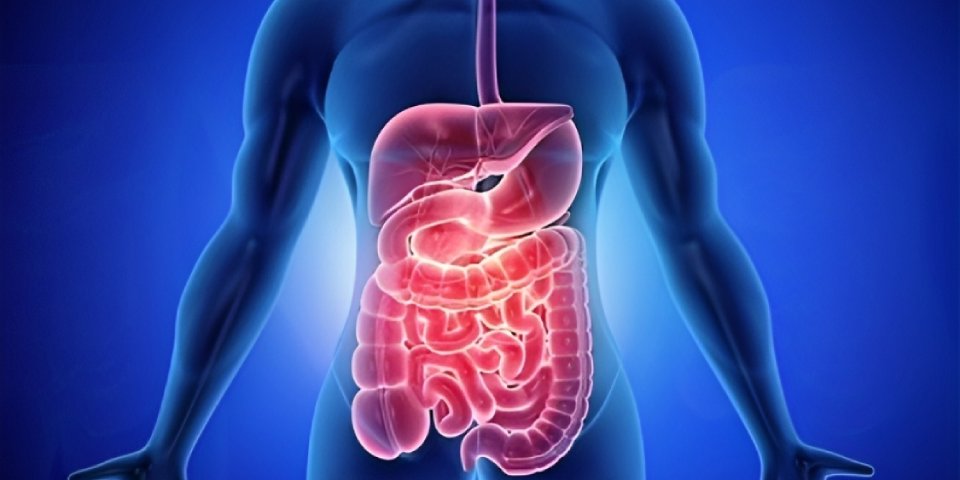
Looking for the Best Gastroenterologist Near Me? Need trusted Advanced GI Care in Hyderabad? When it comes to your digestive health, you deserve a specialist who offers both skill and compassion. Dr. N. Subrahmaneswara Babu, the Best Surgical Gastroenterologist in Hyderabad and one of the Best Gastrointestinal Surgeons in Secunderabad, Hyderabad, brings over 18 years of surgical expertise to every case. As the Director of Hills Gastro & Onco Care and a Surgical Consultant at Apollo Hospitals, he is known for delivering accurate diagnoses, advanced treatments, and exceptional outcomes. His approach combines the latest medical technology with a personalized care plan for each patient.
Why Choose Dr. N Subrahmaneswara Babu for Advanced GI Care in Hyderabad?
Renowned GI specialist in Hyderabad, Dr. N. Subrahmaneswara Babu, offers expert care for complex digestive disorders using advanced technology and a patient-first approach.
- Unmatched Experience and Expertise: With 18+ years of hands-on surgical experience, Dr. N. Subrahmaneswara Babu has consistently delivered safe, precise, and life-changing outcomes for patients across Hyderabad.
- Exceptional Educational Background and Qualifications: Trained at India’s most reputed medical institutions, Dr. N. S. Babu combines world-class knowledge with practical expertise to handle even the most complex GI cases.
- Advanced Technology and Minimally Invasive Expertise: Every procedure is backed by cutting-edge technology, ensuring accuracy, faster recovery, and minimal patient discomfort.
- Comprehensive Range of Specialized Services: From routine procedures to rare and complex surgeries, patients receive complete gastroenterology solutions under one trusted specialist.
- Professional Recognition and Authoritativeness: National awards, research contributions, and teaching roles reflect Dr. Babu’s standing as a respected leader in surgical gastroenterology.
- Patient-Centered Care Approach: Every treatment plan is designed with compassion and transparency, ensuring patients feel informed, supported, and confident in their care.
- Convenient Multiple Locations: With advanced facilities in both Secunderabad and Kompally, world-class GI care is never far from home.
- Outstanding Patient Outcomes and Success Rates: High success rates and thousands of positive patient stories testify to Dr. Babu’s consistent excellence in GI surgery.
- Trustworthiness and Reliability: Patients trust Dr. N. S. Babu for his honesty, evidence-based approach, and unwavering commitment to safety.
- Cutting-Edge Diagnostic Capabilities: Accurate diagnosis is ensured through state-of-the-art imaging, endoscopy, and collaborative specialist input.
- Cost-Effective Quality Care: Patients receive the highest standards of treatment without the burden of excessive costs or hidden charges.
Understanding What Makes the Best Surgical Gastroenterologist in Hyderabad:
When looking for the Best Gastroenterologist Near Me, it is important to know the difference between a medical gastroenterologist and a surgical gastroenterologist. A medical gastroenterologist treats digestive diseases mainly with medicines and endoscopic procedures. A surgical gastroenterologist, on the other hand, is trained to perform advanced surgeries for serious gastrointestinal conditions such as cancers, complex gallbladder problems, hernias, liver and pancreatic diseases. This makes them the right choice for cases where surgery is the best or only solution.
Essential Qualifications to Look For:
The Best Surgical Gastroenterologist in Hyderabad should have:
- Recognised medical degrees and specialist board certifications in surgical gastroenterology
- Fellowship training in advanced areas like hepato-pancreato-biliary (HPB) surgery and gastrointestinal oncology
- Expertise in minimally invasive (laparoscopic) surgery for quicker recovery and fewer complications
- Affiliations with reputed hospitals that have modern operation theatres, advanced imaging, and specialist care teams
Hospital ties with internationally accredited centres ensure patients get access to the latest technology and coordinated, multidisciplinary treatment.
Why Experience Matters in Gastroenterology:
Multiple studies show that surgeon experience directly impacts patient recovery and safety. The Best GI Surgeon in Hyderabad will have:
- High-volume experience in complex surgeries
- Proven success in managing complicated cases
- A strong record in laparoscopic surgery
Minimally invasive techniques are now a standard for many gastrointestinal surgeries. They can reduce recovery time by up to 50%, lower post-surgery complications, cause less pain, and leave smaller scars. When handled by a skilled and experienced surgeon, patients can return to normal life faster with better long-term outcomes.
Meet Dr. N. Subrahmaneswara Babu: Leading GI Care in Hyderabad:
Dr. N. Subrahmaneswara Babu stands among the Top Gastroenterologists Near You in Kompally, Secunderabad, Hyderabad, India, bringing over 18 years of specialised experience in surgical gastroenterology. His commitment to excellence and patient-centred care has established him as a trusted name in advanced gastrointestinal treatment.
Educational Background and Credentials:
Dr. N. Subrahmaneswara Babu impressive educational journey includes:
- MBBS from Gandhi Medical College (2008)
- MS from Kakatiya Medical College, Warangal
- DNB from GEM Hospital & Surgical Centre, Coimbatore
- Fellowship in Hepato-Pancreato-Biliary Surgery from JIPMER, Puducherry
This comprehensive training in prestigious institutions across India has equipped him with expertise in the most advanced surgical techniques available today.
Professional Recognition and Achievements:
Dr. N. Subrahmaneswara Babu received the Most Promising Surgeon Award from Dr. C. Prathap Reddy, Chairman and Founder of Apollo Hospitals Group, highlighting his exceptional surgical skills and dedication to patient care. His professional memberships include:
- Association of Surgeons of India (ASI)
- Association of Minimal Access Surgeons of India (AMASI)
As Director of Hills Gastro & Onco Care and Consultant at Apollo Hospitals, he ensures comprehensive care through multiple convenient locations.
Comprehensive Services - Best GI Surgeon in Hyderabad – Dr. N. Subrahmaneswara Babu:
As one of the Best Gastrointestinal Surgeons in Secunderabad, Hyderabad, Dr. N. Subrahmaneswara Babu offers a complete range of surgical gastroenterology services. His care combines expert skill, advanced technology, and a patient-first approach.
Advanced Laparoscopic Procedures:
Dr. N. Subrahmaneswara Babu is highly experienced in minimally invasive laparoscopic surgery, which has transformed gastrointestinal treatment by reducing pain, speeding up recovery, and improving results. Benefits of laparoscopic surgery:
- Faster recovery – usually 1–2 weeks instead of 6–8 weeks for open surgery
- Less pain – fewer painkillers needed after surgery
- Smaller scars – tiny cuts, often less than half an inch
- High precision – state-of-the-art equipment gives clear, magnified views for safer and more accurate surgery
His use of cutting-edge laparoscopic techniques helps patients return to normal life quickly, with minimal discomfort and lasting results.
Specialised Treatments Available:
Dr. N. S. Babu’s expertise covers a wide range of complex GI surgeries:
- Upper GI Procedures:
- Gallstone surgery and gallbladder removal
- GERD (acid reflux) and hiatal hernia repair
- Surgery for esophageal cancer
- Hepato-Pancreato-Biliary (HPB) Surgery:
- Pancreatic cancer surgeries, including Whipple’s procedure
- Liver resections and treatment of liver diseases
- Bile duct surgeries and gallbladder cancer operations
- Colorectal and Bariatric Surgery:
- Advanced surgeries for colorectal conditions
- Weight-loss (bariatric) surgeries with proven, lasting benefits
- Hernia repairs using modern minimally invasive techniques
Emergency and Complex Case Management:
At his Gastroenterology Clinic in Kompally, Secunderabad, Hyderabad, Dr. N. Subrahmaneswara Babu offers 24/7 emergency care for urgent and life-threatening digestive problems. His skills in managing complex emergencies include:
- Surgery for abdominal injuries and trauma
- Treatment for severe GI bleeding
- Multi-organ surgical procedures for critical patients
With over 18 years of surgical experience, Dr. Babu combines quick decision-making with precision care, ensuring the best possible outcomes even in high-risk situations.
Common Conditions Treated by the Best Gastrointestinal Doctors in Hyderabad:
If you are searching for the Best Gastrointestinal Doctors & GI Specialist Near Me Hyderabad, Dr. N. Subrahmaneswara Babu offers complete care for all types of digestive health problems. His expertise covers both medical treatments and advanced surgical solutions, ensuring patients get the right approach for their condition.
Digestive System Disorders:
As the Best Gastroenterologist in Secunderabad, Dr. N. S. Babu treats a wide range of conditions affecting the stomach, intestines, and oesophagus:
- Acid Reflux and GERD – Managed with medicines and lifestyle guidance, with surgery for severe or resistant cases
- Inflammatory Bowel Disease (IBD) – Complete care, including surgical treatment when necessary
- Peptic Ulcer Disease – Diagnosis, medical care, and surgical options for complicated cases
Liver and Pancreatic Conditions:
Hepato-pancreato-biliary (HPB) surgery is one of Dr. Babu’s key specialisations:
- Pancreatic Cancer – Expert in complex surgeries such as pancreaticoduodenectomy (Whipple’s procedure)
- Liver Disease Management – Treatment for both non-cancerous and cancerous liver conditions
- Biliary System Disorders – Advanced surgical care for bile duct blockages, injuries, or cancers
Colorectal Health Issues:
Common anorectal and colorectal conditions need precise surgical handling for lasting results:
- Piles (Haemorrhoids) – Both minimally invasive and conventional surgical procedures
- Fissure and Fistula Management – Techniques designed for faster healing and less discomfort
- Complex Colorectal Procedures – Including cancer surgeries and treatment of severe inflammatory conditions
Treatment Approach - Diagnostic Excellence to Surgical Innovation:
If you are looking for a trusted Gastroenterologist in Secunderabad, Dr. N. Subrahmaneswara Babu is known for combining precise diagnosis with advanced surgical care. His approach focuses on accurate detection, safe treatment, and complete recovery for every patient.
Advanced Diagnostic Capabilities:
As one of the Best Gastrointestinal Doctors in Hyderabad, Dr. N. S. Babu uses a detailed and scientific approach to identify the root cause of digestive problems:
- Advanced Imaging – CT scans, MRI, and specialised gastrointestinal studies for clear internal views
- High-Definition Endoscopy – Enables precise detection and evaluation of conditions inside the digestive tract
- Comprehensive Health Assessments – Full evaluations to plan the safest and most effective treatment
Surgical Innovation and Safety:
Dr. N. S. Babu’s surgical care blends modern technology with proven techniques for maximum safety and success:
- Latest Minimally Invasive Techniques – Reduces tissue trauma, speeds recovery, and leaves smaller scars
- Enhanced Recovery Protocols – Structured post-surgery plans to help patients heal faster
- Focus on Optimal Outcomes – Continuous monitoring and quality improvement in every surgery performed
Postoperative Care and Recovery:
His care does not stop after surgery. Patients receive complete support to ensure smooth recovery:
- Dedicated Follow-up Protocols – Regular check-ups to track healing progress
- Pain Management Strategies – Multimodal approaches for comfort and quicker mobility
- Long-Term Health Monitoring – Ongoing care to maintain digestive health and prevent recurrence of problems
Patient Success Stories and Real Experiences:
Patients consistently praise Dr. N. Subrahmaneswara Babu’s exceptional care and surgical expertise. Recent testimonials highlight his family-like approach to patient care, with one patient noting, “He is not only a doctor… He took care like my family member”. Another satisfied patient shared, “Dr. N Subrahmaneswara Babu Sir is the topmost gastroenterologist in India. I want to recommend Dr. Sir highly”. These reviews reflect the consistent quality of care and positive outcomes patients experience. The Best Gastroenterologist Near Me searches consistently lead patients to Dr. N. Subrahmaneswara Babu due to his combination of technical expertise and compassionate care approach.
Take the First Step Toward Better Health:
Your digestive health is too important to ignore. With the Best Gastroenterologist Near Me and access to Advanced GI Care in Hyderabad, expert treatment is now closer than ever. Dr. N. Subrahmaneswara Babu offers world-class surgical skill, advanced diagnostic tools, and personalised care at convenient locations in Hyderabad, Secunderabad, and Kompally. From routine concerns to complex GI surgeries, you can trust his proven experience and patient-first approach. Book your consultation today at Hills Gastro & Onco Care – Emergency helpline: 94433 55668. Choose excellence, compassion, and technology for your digestive health—because you deserve the best.
Frequently Asked Questions:
Dr. N. Subrahmaneswara Babu is widely recognized as the Best Surgical Gastroenterologist in Hyderabad, with 18+ years of expertise in complex GI surgeries, leading Hills Gastro & Onco Care, and consulting at Apollo Hospitals.
Hills Gastro & Onco Care Our GI Care in Hyderabad covers laparoscopic surgery, gallstone and hernia repair, colorectal and GI cancer treatment, and emergency abdominal care—delivered with advanced technology and personalized treatment plans.
Look for a highly qualified Gastroenterologist near Hyderabad with fellowship training, top hospital affiliations, and proven surgical outcomes—qualities that define Dr. Babu’s practice in Kompally and Secunderabad.
The Best Gastroenterologist in Secunderabad offers specialized training, minimally invasive expertise, and honest, patient-focused care—hallmarks of Dr. N. Subrahmaneswara Babu’s award-winning GI services.
Our Hills Gastro & Onco Care Gastroenterology Clinic in Kompally, Secunderabad, combines modern diagnostic tools, 24/7 emergency access, and holistic care, making advanced GI treatment accessible and effective.
The Best Gastrointestinal Surgeons in Secunderabad, Hyderabad perform laparoscopic, GI cancer, bariatric, gallbladder, hernia, colorectal, and pancreatic surgeries—ensuring faster recovery and precise results.