Can You Prevent a Hernia? Lifestyle Changes to Minimize Your Risk?

Can you prevent a hernia? This is one of the most common questions patients ask hernia specialists in Hyderabad. The good news is that in many cases, yes, you can lower your risk through healthy lifestyle choices. A hernia occurs when an internal organ pushes through a weak spot in the abdominal wall, often due to strain, poor posture, or excess pressure. According to Dr. N. Subrahmaneswara Babu, at Hills Gastro & Onco Care and Consultant at Apollo Hospital with over 18 years of surgical experience, most hernias develop due to preventable causes such as obesity, chronic coughing, constipation, or lifting heavy weights incorrectly. By maintaining a healthy weight, eating a fibre-rich diet, and exercising safely, you can protect your abdominal muscles and reduce strain. Early prevention and regular consultation with a hernia surgeon in Hyderabad can help you avoid complex hernia treatment later.

What Is a Hernia and Why Does It Occur?

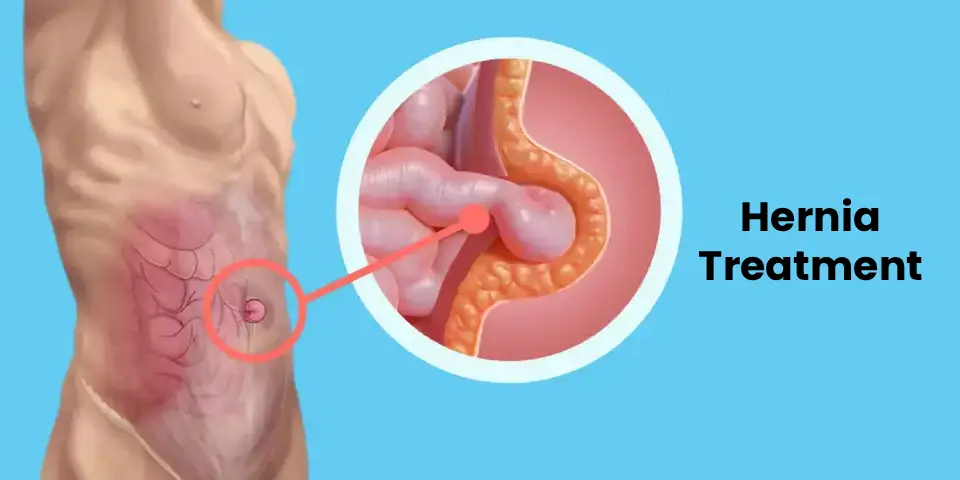
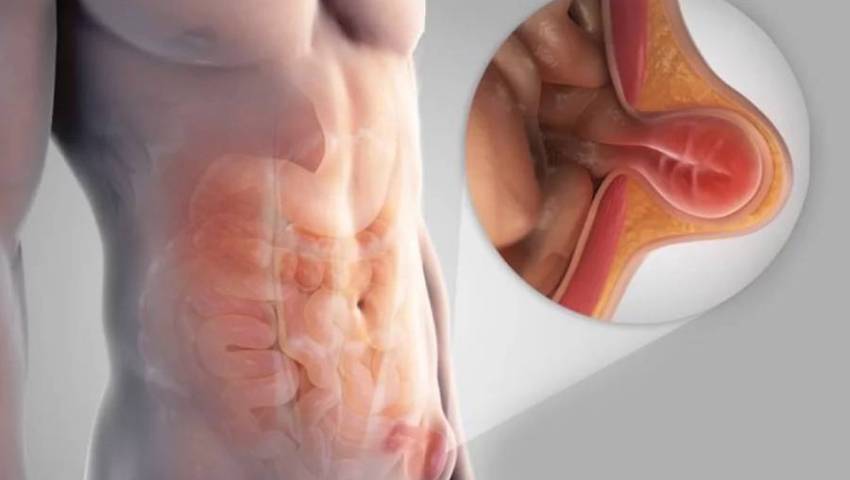
A hernia occurs when an internal organ or fat tissue pushes through a weak portion of muscle or connective tissue. This results in a bulge that may become more noticeable when you strain, cough, or lift heavy loads.

Common types include:

Muscle weakness plus repeated pressure inside the abdomen is often how hernias form. Over time, that weakened spot gives way.

Because of that mechanism, prevention focuses on reducing stress, strengthening supportive muscles, and avoiding conditions that raise pressure inside the abdomen.

Can You Prevent a Hernia Naturally?

No method offers complete immunity — some risk factors aren’t modifiable (like anatomy, prior surgery, or genetics). But yes: many hernias are preventable or their onset delayed. According to surgical guidelines and experts, lifestyle change is your first line of defense.

Your goal is to keep abdominal pressure in check, strengthen core muscles, and avoid repeated strain. With consistent habits, you can make a big difference in your risk profile.

Lifestyle Changes to Minimize Your Risk of Hernia:

1. Maintain a Healthy Weight:

Carrying extra belly fat increases constant internal pressure on the abdominal wall. Losing even moderate weight helps reduce strain.

How to do this: Eat a balanced diet (fruits, vegetables, whole grains), avoid processed and sugary foods, control portions, and increase physical activity.

2. Eat a Fibre-Rich Diet & Stay Hydrated

Constipation and straining during bowel movements are common culprits for triggering hernia formation. A diet rich in fibre (whole grains, legumes, fruits, vegetables) along with sufficient water helps keep stool soft and prevent pushing.

3. Use Proper Lifting Technique

One of the most common causes of a hernia is incorrect lifting. Always:

  • Bend your knees (not your waist)
  • Keep the object close to your body
  • Exhale while lifting — don’t hold your breath
  • Ask for help or use tools for heavy loads
  • Avoid twisting while carrying weight

These steps reduce sudden spikes in abdominal pressure.

4. Strengthen Core Muscles (Gently)

A stronger core shields weaker areas around your abdomen. But be cautious — avoid abrupt or strenuous exercises. Some safe options:

  • Planks (gentle, not forced)
  • Pelvic tilts
  • Bridges
  • Low-impact yoga or Pilates

Avoid crunches or heavy resistance on your abdominal wall until your core is well-conditioned.

5. Manage Chronic Cough & Quit Smoking

Chronic coughing repeatedly pushes on the abdominal wall, weakening it. Smoking also damages connective tissue and delays healing. Quitting smoking improves overall muscle and tissue strength and lowers hernia risk.

6. Avoid Heavy Meals Just Before Activity

Especially for hiatal hernias (where the stomach pushes upward through the diaphragm), eating a heavy meal right before lying down or vigorous activity can push that boundary. Wait 2–3 hours after eating before doing strenuous tasks.

7. Be Mindful After Surgery

If you’ve had abdominal surgery, the risk of incisional hernia is real. Avoid heavy lifting or strain in the first 6–8 weeks. Surgeons sometimes reinforce the surgical area with mesh during the procedure to reduce the chance.

When Should You See a Hernia Specialist in Hyderabad?

Some red flags indicate it’s time to seek professional care:

  • A new bulge in your groin or abdomen
  • Pain, discomfort, or a dragging sensation with movement
  • A bulge that doesn’t go back when lying down
  • Gradual increase in size or worsening symptoms
  • Signs of complications: severe pain, redness, vomiting, inability to pass stool

In Hyderabad, many patients consult a hernia specialist early to avoid worsening outcomes. Dr. N. Subrahmaneswara Babu at Hills Gastro & Onco Care and Apollo Hospital is one such reputed expert in hernia diagnosis and treatment.

Treatment Options if a Hernia Develops:

If a hernia is confirmed, treatment depends on the type, size, symptoms, and the patient’s health. Options include:

  • Watchful waiting: For small, asymptomatic hernias
  • Lifestyle modification & monitoring
  • Surgical repair: Traditional (open) or minimally invasive laparoscopic/robotic methods
  • Mesh reinforcement to reduce recurrence

Modern techniques aim for fast recovery, small scars, less pain, and durable results. Many hernia repairs now use mesh patches to strengthen the weak spot.

At Hills Gastro & Onco Care, Dr. N. S. Babu offers advanced laparoscopic hernia repair with patient-centered planning and follow-up.

Hernia Surgery Expertise at Hills Gastro & Onco Care:

Why trust Hills Gastro & Onco Care for prevention and hernia care?

  • Proven expertise: Dr. N. Subrahmaneswara Babu is one of the Best Surgical Gastroenterology in Hyderabad & hernia specialists in Hyderabad with deep experience in laparoscopic hernia repair.
  • Modern infrastructure: equipped for minimally invasive and robotic surgery
  • Comprehensive approach: prevention counselling, surgical repair, rehabilitation, recurrence prevention
  • High success & safety standards
  • Strong reputation in Hyderabad: trusted by many patients for hernia treatment in Hyderabad

As Director of Hills Gastro & Onco Care and Consultant at Apollo Hospitals, Dr. Babu has built strong local trust and EEAT credibility in hernia surgery.

How to Reduce Your Hernia Risk?

You cannot completely prevent a hernia, but healthy lifestyle choices lower the chances. Maintain a healthy weight, eat a fibre-rich diet to avoid constipation, and use safe lifting techniques. Gentle core exercises keep abdominal muscles strong, while controlling cough and quitting smoking reduces pressure on the abdomen. Always watch for early signs like bulges or pain, and consult an experienced hernia surgeon in Hyderabad if symptoms appear. When surgery is required, choosing a trusted centre such as Hills Gastro & Onco Care ensures advanced treatment and better recovery outcomes.

Book a Consultation at Hills Gastro & Onco Care:

If you are wondering, “Can you prevent a hernia?” or need expert advice on managing symptoms, it is best to consult a trusted hernia specialist in Hyderabad. At Hills Gastro & Onco Care, under the guidance of Dr. N. Subrahmaneswara Babu, you receive accurate diagnosis and advanced treatment options. With over 18 years of surgical expertise and his role as Consultant at Apollo Hospital, he is among the most trusted hernia surgeons in Hyderabad. Whether you are looking for preventive guidance or considering hernia treatment in Hyderabad, timely consultation ensures better outcomes. Visit the best hospital for hernia surgery in Hyderabad and take the first step towards recovery. Call 94908 08080 or email nsbabu1984@gmail.com today to book your appointment.
Pilonidal Sinus vs Fistula in IBD Patients: Key Differences

People often confuse a pilonidal sinus vs fistula, especially when they occur in patients with Inflammatory Bowel Disease (IBD) like Crohn’s disease or ulcerative colitis. While both involve infection and discharge near the anal or tailbone area, they are two very different conditions requiring different treatments. In this blog, we’ll clearly explain the difference between pilonidal sinus and fistula in IBD patients, their causes, symptoms, diagnosis, and treatment options.

According to Dr. N. Subrahmaneswara Babu, Director of Hills Gastro & Onco Care and Consultant Surgical Gastroenterologist at Apollo Hospitals, Hyderabad, understanding these conditions early can help prevent complications and ensure faster recovery with modern, minimally invasive options such as laser pilonidal sinus surgery and advanced fistula treatment in Hyderabad.

What is a Pilonidal Sinus?

A pilonidal sinus is a small tunnel or cavity under the skin near the tailbone (lower back), just above the buttocks. It usually contains hair, dead skin, and debris. This condition is common in young adults, people with thick body hair, or those who sit for long hours.

Causes of Pilonidal Sinus:
  • Ingrown hair or friction near the tailbone area.
  • Poor hygiene or excessive sweating.
  • Prolonged sitting jobs.
  • Obesity and excess body hair.
  • Family history or previous abscesses.

When infected, the sinus can form a pilonidal abscess, which becomes painful, swollen, and filled with pus. If not treated, it can keep recurring.

Symptoms:
  • Pain and swelling near the lower back.
  • Redness and pus discharge.
  • Foul smell or abscess formation.
  • Discomfort while sitting or bending.

What is a Fistula in IBD Patients?

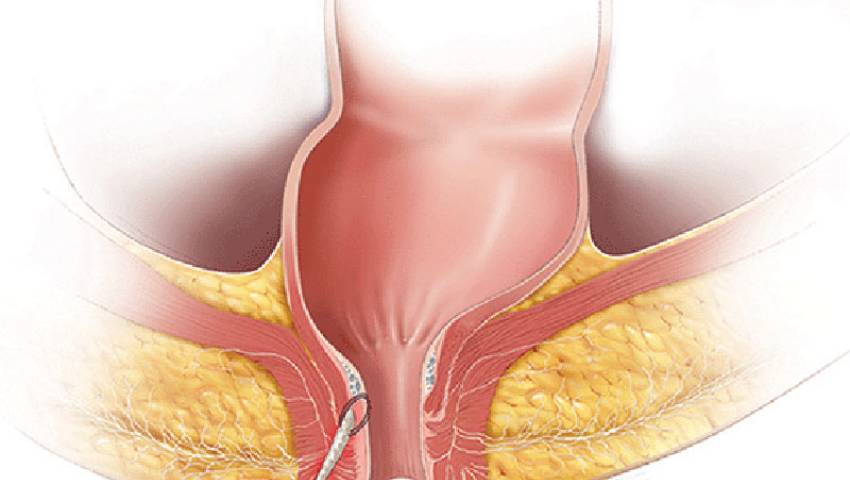
A fistula is an abnormal connection between two body parts — usually between the anal canal and the skin near the anus (perianal fistula).

In IBD patients, especially those with Crohn’s disease, inflammation can cause ulcers in the intestinal wall, which may eventually develop into fistulas.

Common Types of Fistulas in IBD:
  • Perianal fistula – between the anal canal and outer skin.
  • Rectovaginal fistula – between rectum and vagina (in females).
  • Enterocutaneous fistula – between intestine and skin.
Causes in IBD:
  • Chronic inflammation damaging the intestinal lining.
  • Abscesses that fail to heal properly.
  • Previous anorectal surgery or infection.
Symptoms:
  • Constant pain and swelling around the anus.
  • Pus or stool-like discharge through the skin.
  • Itching or irritation near the anal region.
  • Repeated abscesses or infections.

If untreated, fistulas can worsen and affect quality of life, especially in IBD patients who already deal with digestive inflammation.

Key Differences Between Pilonidal Sinus vs Fistula in IBD:

Diagnosis: How Specialists Differentiate the Two

Differentiating between a pilonidal sinus and a fistula is crucial because their treatments differ entirely.

At Hills Gastro & Onco Care, Dr. N. Subrahmaneswara Babu uses advanced diagnostic tools to accurately identify the condition:

Diagnostic Tests Include:
  • Physical Examination: Identifying location and tract openings.
  • MRI Pelvis or Fistulogram: To trace the path of a fistula.
  • Ultrasound or CT Scan: To detect underlying abscesses or sinus tracts.
  • Colonoscopy: To check for Crohn’s disease or intestinal inflammation in IBD patients.

Accurate diagnosis ensures that the right surgical or non-surgical method is selected, reducing the risk of recurrence.

Treatment Approaches for Each Condition at Hills Gastro & Onco Care:

1. Pilonidal Sinus Treatment in Hyderabad:

Modern pilonidal sinus treatment focuses on removing the sinus tract and preventing recurrence.

Treatment Options:
  • Laser Pilonidal Sinus Surgery: Minimally invasive, quick healing, and minimal pain.
  • Excision with Primary Closure: Surgical removal and closure of the sinus.
  • Open Healing Method: Used for deep or recurrent cases.
Advantages of Laser Surgery:
  • Faster recovery
  • Less postoperative pain
  • Minimal scarring
  • Low recurrence rates
2. Fistula Treatment in Hyderabad:

Fistulas, especially in IBD patients, require specialized and gentle management to prevent further inflammation.

Treatment Options Include:
  • FiLaC (Fistula Laser Closure): Uses laser energy to seal the tract.
  • VAAFT (Video-Assisted Anal Fistula Treatment): Advanced visualization for precision.
  • Seton Placement: A thread used to drain infection gradually.
  • Fistulotomy: Surgical opening of the tract for chronic cases.
  • Non-Surgical Fistula Treatment: For selected cases with mild inflammation.

At Hills Gastro & Onco Care, these procedures are performed under expert guidance using the latest technology for faster healing and reduced recurrence.

Recovery and Post-Treatment Care:

After Pilonidal Sinus Surgery:
  • Keep the wound area clean and dry.
  • Avoid sitting for long periods initially.
  • Maintain personal hygiene and remove excess hair regularly.
  • Follow your surgeon’s advice for dressing and follow-ups.
After Fistula Surgery:
  • Use sitz baths to relieve pain and maintain cleanliness.
  • Follow a high-fibre diet to prevent constipation.
  • Continue IBD medications as prescribed.
  • Attend regular follow-ups for monitoring healing.

With proper care and guidance, most patients recover within a few weeks with minimal discomfort.

When to See a Colorectal Specialist in Hyderabad?

You should visit a colorectal specialist in Hyderabad if you experience:

  • Persistent discharge or pus near the anus or tailbone.
  • Pain that worsens while sitting or passing stool.
  • Recurrent swelling or abscesses.
  • Known Crohn’s disease or ulcerative colitis with anal symptoms.

Dr. N. Subrahmaneswara Babu, a leading Fistula Specialist in Hyderabad, provides comprehensive evaluation and treatment for all anorectal and IBD-related complications.

Why Choose Hills Gastro & Onco Care for Pilonidal Sinus & Fistula Care?

At Hills Gastro & Onco Care, Kompally, Secunderabad, patients receive advanced, evidence-based treatment from one of the best surgical gastroenterologists in Hyderabad.

Why Patients Trust Hills Gastro & Onco Care:

  • Expertise: 18+ years of surgical experience by Dr. N. Subrahmaneswara Babu.
  • Advanced Technology: Laser and minimally invasive procedures.
  • Comprehensive Care: Diagnosis, treatment, and post-operative follow-up.
  • Affiliation: Consultant Gastroenterologist at Apollo Hospital, Hyderabad.
  • Patient-Centered Approach: Personalized care and high success rates.

Whether you need laser fistula treatment in Hyderabad or pilonidal sinus surgery, Hills Gastro & Onco Care ensures safe, effective, and comfortable recovery.

Book a Consultation for Pilonidal Sinus or Fistula Treatment in IBD Patients:

If you are experiencing pain, swelling, or discharge near the tailbone or anal region, it’s important not to ignore the signs. Early diagnosis and timely treatment of pilonidal sinus or fistula in IBD patients can help prevent serious infections and recurring complications. For expert evaluation and advanced care, book a consultation with Dr. N. Subrahmaneswara Babu, one of the best GI surgeons in Hyderabad and Director of Hills Gastro & Onco Care. The clinic offers cutting-edge options like laser fistula treatment in Hyderabad and pilonidal sinus treatment with faster recovery and minimal discomfort.

Call: +91 94908 08080
Email: nsbabu1984@gmail.com
Visit: Hills Gastro & Onco Care, Kompally, Secunderabad, Hyderabad

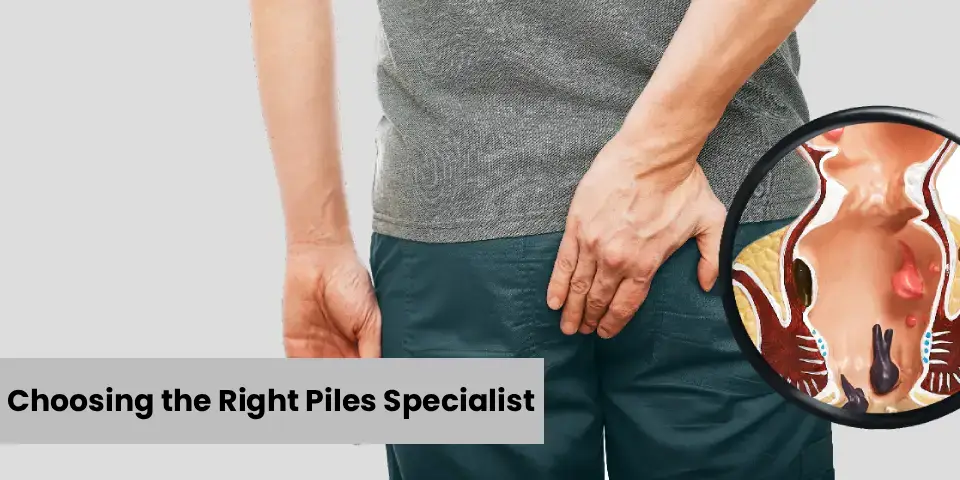
Choosing the Right Piles Specialist in Hyderabad: What Patients Should Know

Are you struggling with pain, bleeding, or discomfort while passing stools? Do you feel swelling or lumps around your anal area? These could be signs of piles, a common but often neglected condition. Piles, also called haemorrhoids, can affect daily life and become worse if left untreated. That’s why choosing the right piles specialist in Hyderabad is very important.

With advanced options like laser piles treatment in Hyderabad, patients no longer need to fear painful surgeries or long recovery times. A skilled doctor ensures proper diagnosis, effective treatment, and faster recovery. At Hills Gastro & Onco Care, Kompally, under the guidance of Dr. N. Subrahmaneswara Babu, one of the best piles surgeons in Hyderabad and Consultant at Apollo Hospital, patients receive world-class care with personalised treatment plans. This blog will guide you on when to see a specialist, treatment options, and how to select the best doctor for long-term relief.

What Are Piles and Why Do They Need a Specialist?

Piles (also known as hemorrhoids) are swollen veins in the rectal or anal area. They can cause pain, itching, bleeding, and discomfort while sitting or passing stool. Most mild cases improve with home care. But when symptoms persist, worsen or recur, you need to see a specialist. A Piles Specialist or a Colorectal Surgeon in Hyderabad has special training to treat these conditions safely. They understand complex or advanced piles treatment, including surgical and minimally invasive options like laser.

Why Choosing the Right Piles Specialist Matters?

The expertise of a piles specialist directly impacts treatment results and recovery. A good doctor provides:

  • Accurate diagnosis and distinguishes piles from similar conditions
  • Up-to-date treatment options, including modern laser surgery and painless procedures
  • Personalized care and aftercare support for long-lasting relief
  • Lower risk of complications and quick return to normal life

Inadequate or delayed treatment from unqualified doctors can lead to chronic pain, frequent recurrences, and unnecessary surgical intervention.

How to Choose the Best Piles Specialist in Hyderabad?

Researching the following factors helps in selecting the best piles surgeon or gastroenterologist in Hyderabad:

  • Qualifications & Experience: Choose a board-certified piles surgeon or gastroenterologist with proven expertise in piles treatment in Hyderabad, including colorectal and proctology care.
  • Modern Skills: Specialists trained in laser piles surgery and minimally invasive, painless procedures provide faster recovery and better outcomes.
  • Patient Feedback: Positive reviews, ratings, and testimonials show the doctor’s credibility and patient satisfaction.
  • Clinic Facilities: The best piles clinics in Hyderabad offer modern infrastructure, easy accessibility, and supportive staff.
  • Comprehensive Aftercare: Reliable doctors guide patients with diet, lifestyle changes, and regular follow-ups to prevent recurrence.

Respected centers like Hills Gastro & Onco Care and leading surgeons such as Dr. N. Subrahmaneswara Babu are trusted for safe, advanced, and personalised piles treatment.

Piles Surgery in Hyderabad: When Is It Needed?

You may need surgery when:

  • Grade III or IV hemorrhoids: prolapse that cannot be reduced manually, or prolapsed permanently.
  • Severe bleeding, clotting, or painful external piles.
  • When conservative treatment fails (diet, creams, sitz baths).
  • Complications like thrombosed hemorrhoids, ulceration, or repeated infections.
  • When symptoms interfere with daily life or work.

Modern options in Hyderabad allow less pain, quicker return to work, especially if you choose specialists who do laser piles treatment in Hyderabad.

Modern Treatment Options in Hyderabad at Hills Gastro & Onco Care:

At Hills Gastro & Onco Care, Dr. N. Subrahmaneswara Babu offers a range of modern and proven treatments:

  • Conservative treatment: lifestyle/diet change, fibre supplements, creams.
  • Office-based procedures: rubber band ligation, infra-red coagulation, Doppler-guided artery ligation.
  • Surgical options: open hemorrhoidectomy for large or grade IV cases.
  • Laser piles surgery: less bleeding, quicker healing, minimal hospital stay.
  • Stapled Hemorrhoidopexy: when prolapse is significant.

These are combined with strong aftercare guidance for best results.

Lifestyle and Diet Advice from Piles Specialists:

To support treatment and prevent recurrence:

  • Eat high fibre diet: fruits, vegetables, whole grains.
  • Drink plenty of water.
  • Avoid straining during bowel movements; respond to bathroom urge early.
  • Limit sitting for long periods; take breaks.
  • Avoid heavy lifting.
  • Manage weight, stay active.

Specialists often guide patients with dietitians and follow-up sessions for lifestyle changes.

Warning Signs That You Need to See a Piles Specialist Immediately:

Some signs should prompt urgent consultation:

  • Excessive or continuous bleeding from anus.
  • Sudden severe pain or swelling, especially if clot forms.
  • Fever, chills, signs of infection.
  • Inability to pass stool or gas.
  • Significant drop in haemoglobin or severe weakness.

These symptoms may require urgent care from a proctologist doctor in Hyderabad or an emergency specialist.

Why Dr. N. Subrahmaneswara Babu Is Considered the Best Piles Doctor in Hyderabad:

Dr. N. Subrahmaneswara Babu is recognised among the Best Doctors for Piles Treatment in Hyderabad because:

  • He has 18+ years of experience in gastrointestinal and colorectal surgery.
  • Covers a wide range of treatment methods: Laser Piles Surgery in Hyderabad, conventional surgery, and Doppler techniques.
  • Director of Hills Gastro & Onco Care, Kompally, and Consultant at Apollo Hospitals—trusted centres with strong infrastructure.
  • Known for painless piles treatment, quick recovery, and affordable cost.
  • Emphasis on patient comfort, personalised care, and transparent communication.

Final Thoughts on Choosing the Right Piles Specialist in Hyderabad:

Choosing the right piles specialist in Hyderabad can make treatment smooth, safe, and effective. With the right diagnosis, modern options like laser piles surgery and proper aftercare, patients can experience faster recovery and minimal recurrence. If you notice symptoms such as bleeding, prolapse, or constant pain, it’s important not to delay. Dr. N. Subrahmaneswara Babu, a trusted Best Surgical Gastroenterologist in Hyderabad & Expert proctologist and colorectal surgeon in Hyderabad, offers personalised treatment plans at Hills Gastro & Onco Care. For expert piles care that balances comfort and affordability, book your consultation today.

FAQs – Choosing the Right Piles Specialist in Hyderabad:

Dr. N. Subrahmaneswara Babu, Director of Hills Gastro & Onco Care and Consultant at Apollo Hospitals, is among the best piles specialists in Hyderabad with 18+ years of experience.

Advanced options include laser piles treatment, stapler surgery, Doppler-guided ligation, and conventional piles surgery, depending on severity.

Yes, laser piles surgery is minimally invasive, offers less pain, faster healing, and shorter hospital stay compared to traditional methods.

You should see a piles specialist if you have bleeding, pain, prolapse, or persistent discomfort despite home remedies.

Piles treatment cost in Hyderabad varies by method, but laser piles surgery is affordable at leading clinics like Hills Gastro & Onco Care.

Different Types of Hernia and When to See a Specialist in Hyderabad

Did you notice a bulge in your abdomen or groin that gets worse when you cough, lift heavy objects, or strain? This could be a hernia, a condition where an organ or tissue pushes through a weak spot in the muscle wall. While some hernias may remain small, others can grow larger, become painful, and even lead to serious complications if left untreated. Understanding the different types of hernia and knowing when to seek medical help is the first step towards safe recovery. For patients in Telangana, expert care is available with the Best Hernia Specialists in Hyderabad, including Dr. N. Subrahmaneswara Babu, Director of Hills Gastro & Onco Care, Kompally, Secunderabad, and Consultant at Apollo Hospital, Hyderabad. Recognised as one of the Best Hernia Doctors in Hyderabad, he offers advanced treatments, including laparoscopic and robotic hernia repair. With timely consultation at the Best Hospital for Hernia Surgery in Hyderabad, patients receive safe, affordable, and long-lasting solutions.

What is a Hernia?

A hernia happens when an organ or fatty tissue squeezes through a weak spot or tear in the surrounding muscle or connective tissue. Usually, this is in the abdominal wall. Because of the pressure inside the abdomen (from lifting, coughing, or straining), a piece of intestine or fatty tissue pushes through and forms a bulge. Hernias do not go away on their own, except maybe small umbilical ones in babies. If untreated, they may cause complications. In Hyderabad, many people delay seeing a specialist because the bulge may be painless at first. But early diagnosis and treatment by a hernia doctor can prevent serious problems later.

Different Types of Hernia:

Here are the common and some rare hernia types. Knowing which kind helps understand symptoms and treatment.

Inguinal Hernia:
  • Most common type. It appears in the groin (upper thigh/groin crease). A part of the intestine or fat pushes through a weak spot in the lower abdominal wall into the inguinal canal.
  • More common in men. Many may feel a bulge in the groin that worsens on coughing, lifting heavy things, or standing for long periods.
Femoral Hernia:
  • Less common. Occurs just below the groin, where the femoral canal is. More common in women.
  • Because the femoral canal is narrow, the risk of complications (incarceration) is higher.
Umbilical & Paraumbilical Hernia:
  • Umbilical hernia forms around the belly button (navel). May be present at birth or form later. Paraumbilical hernias appear near, but not exactly at, the navel in adults. Obesity and multiple pregnancies increase the risk.
Incisional Hernia:
  • Happens at the site of a previous surgical cut (incision). When the wound weakens over time (e.g., due to infection, heavy strain), tissues may bulge through the scar.
Epigastric Hernia:
  • Between the breastbone (sternum) and the belly button. Fat or sometimes intestine pushes through a weak spot. May cause discomfort, burning, or a bulge.
Hiatal Hernia:
  • Different from abdominal wall hernias. Part of the stomach pushes through the diaphragm (muscle dividing chest and abdomen). It may cause acid reflux, heartburn, discomfort, and possibly difficulty swallowing.
Rare Types:
  • Obturator hernia: very rare; abdominal contents protrude through the obturator canal. Mostly in elderly, thin women.
  • Others: internal hernias, lesser-known anatomical variants.

What are the Common Symptoms of a Hernia?

These are warning signs that you may have a hernia. They differ in type, but have common features:

  • A visible lump or bulge in the groin or abdomen. It may reduce (go back in) when you lie down.
  • Pain or discomfort, especially when bending, coughing, or lifting. A dull ache or burning sensation.
  • Feeling of pressure or heaviness.
  • Swelling in the scrotum (in men, for inguinal hernia).
  • In a hiatal hernia, symptoms include heartburn, acid reflux, chest pain, burping, and difficulty swallowing.
  • Symptoms may worsen with physical effort.

If you notice sudden severe pain, nausea/vomiting, inability to push back the bulge, discolouration — these are signs of strangulation, an emergency.

When to See a Hernia Specialist in Hyderabad:

If you are in Hyderabad and suspect a hernia, see a hernia specialist, Dr. N. Subrahmaneswara Babu, if:

  • The bulge is growing in size or causing persistent pain.
  • The bulge does not reduce (go back in) when lying down.
  • Pain worsens with activity or coughing.
  • There are digestive symptoms (in hiatal hernia) like heartburn and acid reflux.
  • You have had abdominal surgery before and now see a lump at the scar site.
  • If the bulge causes discomfort while walking or dressing.
  • For pregnant women with hernia symptoms.
  • If the hernia is causing breathing difficulty or other complications.

How are Hernias Diagnosed?

Accurate diagnosis is the first step towards safe and effective hernia treatment. Dr. N. Subrahmaneswara Babu, a leading hernia specialist in Hyderabad, follows a structured approach to identify the type and severity of hernia before planning surgery.

  • Clinical Examination: The doctor checks the bulge, asks you to cough or strain, and observes whether the hernia reduces (goes back in).
  • Medical History: Discussion about when symptoms started, what makes them worse, and details of previous surgeries or health conditions like obesity, chronic cough, or constipation.
  • Imaging Tests (if needed):
    • Ultrasound of the abdomen or groin to confirm diagnosis.
    • CT scan or MRI for complex, recurrent, or incisional hernias.
    • Endoscopy in hiatal hernia cases to examine the oesophagus and stomach.
  • Risk Assessment: Evaluation of age, fitness for surgery, and other conditions such as diabetes or heart disease.

This thorough process ensures that patients receive personalised and safe hernia treatment in Hyderabad with better outcomes and reduced chances of recurrence.

Treatment Options for Different Types of Hernia at Hills Gastro & Onco Care:

At Hills Gastro & Onco Care, Gastroenterology Clinic in Kompally, Secunderabad, hernia treatment is never one-size-fits-all. Dr. N. Subrahmaneswara Babu, a leading hernia surgery doctor in Hyderabad, carefully assesses each patient’s condition, type of hernia, overall health, and lifestyle before recommending the best treatment plan.

Watchful Waiting & Conservative Care:
  • For small, painless hernias, especially inguinal or umbilical, the doctor may suggest monitoring instead of immediate surgery.
  • Lifestyle adjustments such as avoiding heavy lifting, treating chronic cough or constipation, and reducing excess weight can help.
  • In a hiatal hernia, medications to reduce acid reflux and dietary changes (smaller meals, avoiding spicy/acidic foods) may control symptoms.
Open Hernia Surgery:
  • This is the traditional method, where a cut is made at the hernia site.
  • The hernia sac is pushed back, and the weak spot is closed, often with mesh reinforcement.
  • Healing takes a little longer compared to laparoscopy, but it is a reliable and effective approach.
Laparoscopic / Minimally Invasive Surgery:
  • Performed through small cuts using a camera and advanced instruments.
  • The hernia is repaired with mesh placement.
  • Patients benefit from less pain, smaller scars, quicker healing, and faster return to daily activities.
Mesh Repair vs. Non-Mesh Repair:
  • Mesh repair is the standard choice in most cases, as it strengthens the abdominal wall and reduces the risk of recurrence.
  • Non-mesh (tissue) repair may be chosen for small hernias, in cases of mesh allergy, or when infection risk is high.
Special & Complex Hernia Cases:
  • Large incisional hernias may need advanced abdominal wall reconstruction techniques.
  • Recurrent hernias require detailed evaluation and customised surgery to ensure long-term success.

At Hills Gastro & Onco Care, patients receive the latest techniques, including laparoscopic and robotic-assisted surgery, ensuring safer outcomes and faster recovery.

Best Hernia Specialists in Hyderabad – Dr. N. Subrahmaneswara Babu:

Dr. N. Subrahmaneswara Babu is recognised as one of the best surgical gastroenterologists & hernia specialists in Hyderabad. With over 18 years of surgical experience, he has performed 10,000+ successful surgeries with an outstanding 96% success rate. He is highly trusted for both simple and complex hernia treatments, especially recurrent hernia repairs that require advanced expertise.

  • 18+ Years of Experience in surgical gastroenterology and advanced hernia repair
  • Director, Hills Gastro & Onco Care – Leading gastroenterology clinic in Kompally, Secunderabad
  • Consultant, Apollo Hospitals Hyderabad – One of India’s top tertiary care centres
  • Awarded “Most Promising Surgeon” by Dr. C. Prathap Reddy, Founder of Apollo Hospitals
  • Specialised in Complex & Recurrent Hernia Surgery with laparoscopic, robotic, and component separation techniques
  • Personalised Treatment with focus on patient comfort, safety, and faster recovery

With his proven track record and patient-centric care, Dr. N. Subrahmaneswara Babu is recognised as one of the Best Hernia Doctors in Hyderabad, offering advanced and affordable solutions for all types of hernias.

Different Types Of Hernia Services Offered by Dr. N. Subrahmaneswara Babu:

At Hills Gastro & Onco Care, Dr. N. Subrahmaneswara Babu provides a complete range of hernia solutions:

  • Complex Hernia Surgery: For large, recurrent, and multiple hernia defects
  • Laparoscopic Hernia Repairs: TAPP (Transabdominal Preperitoneal) & TEP (Totally Extraperitoneal) techniques
  • Robotic-Assisted Hernia Surgery: High precision, smaller scars, quicker healing
  • Component Separation Techniques: For very large hernias requiring abdominal wall reconstruction
  • Mesh Repair & Biocompatible Implants: Ensuring long-term stability and reduced recurrence
  • Post-Operative Care & Lifestyle Guidance: Helping patients return to normal life faster

Recovery and Aftercare After Hernia Surgery:

Recovery plays a big role in preventing hernia recurrence. With guidance from Dr. N. Subrahmaneswara Babu, one of the best hernia specialists in Hyderabad, patients get clear steps for safe healing.

  • Hospital Stay: 1–2 days for laparoscopic, a bit longer for open surgery.
  • Pain & Wound Care: Mild pain for a few days, managed with medicines. Keep the cut clean and dry, and watch for swelling or discharge.
  • Activity: Rest first, stroll, and avoid heavy lifting. Most people return to normal work in 4–6 weeks.
  • Diet: Start light, then add fibre-rich food to avoid constipation. Stay hydrated.
  • Follow-Up: Regular visits ensure proper healing. Seek immediate help if pain, fever, or vomiting occurs.

At Hills Gastro & Onco Care, Secunderabad, patients receive complete aftercare support for faster recovery and long-term results.

Take Action for Your Hernia:

If you notice a bulge, pain, or discomfort, it may be a sign of a hernia. Timely care is important to avoid serious complications. For the best hernia treatment in Hyderabad, India, consulting an experienced specialist is the safest step. Dr. N. Subrahmaneswara Babu, gastroenterologist in Hyderabad at Apollo Hospital, one of the best hernia doctors in Hyderabad with 18+ years of expertise. Whether it is a simple or complex case, he provides advanced, patient-focused solutions.

Schedule your consultation today:

Don’t delay—get expert care at Hyderabad’s leading hernia surgery hospital, Hills Gastro & Onco Care, and return to a healthy, active life with confidence.

Hernia Treatment Options: Which is the best? How to Choose the Best Treatment?

Are you wondering which hernia treatment option is the best and how to choose the right one for you? A hernia can cause discomfort, pain, and serious complications if ignored, making timely treatment very important. With many surgical and advanced techniques available today, it’s natural to feel confused about the safest and most effective choice. In this blog, Dr. N. Subrahmaneswara Babu, a leading hernia specialist in Hyderabad, Secunderabad, explains everything about hernia symptoms, causes, diagnosis, and treatment. Whether you are searching for hernia treatment in Hyderabad or looking for advanced care in Secunderabad, here’s what you need to know.

Understanding Hernia - What You Need to Know:

A hernia happens when part of an internal organ pushes through a weak spot in the muscle wall. Think of it like a hole in a tyre where the inner tube bulges out. This creates a visible lump or bulge under your skin that becomes more noticeable when you cough, strain, or lift heavy objects.

Common Types of Hernia:

  • Inguinal Hernia: The most common type, affecting the groin area. It’s more frequent in men and accounts for about 75% of all hernias.
  • Umbilical Hernia: Occurs around the belly button area, more common in newborns and women who have had multiple pregnancies.
  • Hiatal Hernia: When part of the stomach pushes through the diaphragm into the chest cavity.
  • Femoral Hernia: Less common, appearing in the upper thigh area, more frequent in older women.
  • Incisional Hernia: Develops at the site of a previous surgical scar.

What Causes Hernia?

Several factors can lead to hernia development:

  • Weak abdominal muscles from birth, aging, or previous surgery
  • Heavy lifting without proper technique
  • Persistent cough or sneezing
  • Chronic constipation leading to straining
  • Obesity puts extra pressure on abdominal muscles
  • Smoking, which weakens tissues
  • Pregnancy causes increased abdominal pressure

When Do You Need Hernia Treatment?

Not every hernia needs surgery right away, but most will get worse if left untreated. It’s best to meet a hernia specialist in Hyderabad, like Dr. N. Subrahmaneswara Babu, if you notice:

  • A visible bulge that is growing in size
  • Pain or discomfort during walking, lifting, or daily work
  • Burning or aching around the hernia site
  • Trouble pushing the hernia back in

Emergency Warning Signs:

See a doctor immediately if you have:

  • Sudden, severe pain that gets worse quickly
  • Nausea, vomiting, or fever with hernia symptoms
  • Bulge turning red, purple, or dark in colour
  • Inability to pass gas or stools

These signs may point to a strangulated hernia, a serious condition that needs urgent surgery to save your life.

Hernia Treatment Options - Making the Right Choice:

Choosing the right hernia treatment depends on the type of hernia, your overall health, and the expertise of your surgeon. Many patients prefer consulting the best doctors for hernia surgery in Hyderabad and Secunderabad to understand which option suits them best.

1. Watchful Waiting:

For small, asymptomatic hernias, your doctor may recommend monitoring rather than immediate surgery. This approach is suitable when:

  • The hernia causes no pain or limitation in daily activities
  • It can be easily pushed back into place
  • There are no complications or risk factors

However, hernias don’t heal on their own and typically require surgical repair eventually.

2. Open Hernia Surgery:

Traditional open surgery involves making a single, larger incision to access and repair the hernia. The surgeon pushes the protruding tissue back and strengthens the muscle wall, often using surgical mesh.

Benefits of Open Surgery:

  • Can be performed under local anaesthesia
  • More cost-effective than minimally invasive options
  • Suitable for large or complex hernias
  • Proven track record with excellent long-term results

Considerations:

  • Longer recovery time (4-6 weeks)
  • More post-operative pain initially
  • Larger surgical scar

3.Laparoscopic Hernia Surgery:

Laparoscopic or “keyhole” surgery uses several small incisions and a camera to repair the hernia from inside the abdomen. This minimally invasive approach has gained popularity due to its advantages.

Benefits of Laparoscopic Surgery:

  • Less post-operative pain
  • Faster recovery time (2-3 weeks)
  • Smaller scars and better cosmetic results
  • Earlier return to normal activities
  • Lower risk of wound infections

Considerations:

  • Requires general anaesthesia
  • Higher cost than open surgery
  • Longer operative time initially
  • Requires advanced surgical training

4. Robotic Hernia Surgery:

The latest advancement in hernia treatment, robotic surgery, combines the benefits of minimally invasive techniques with enhanced precision.

Benefits of Robotic Surgery:

  • Superior 3D visualization and magnification
  • Enhanced precision with tremor-free movements
  • Better access to difficult areas
  • Potentially lower recurrence rates
  • Faster recovery compared to open surgery
  • Excellent outcomes for complex hernias

Considerations:

  • Higher cost than other methods
  • Limited availability of trained surgeons
  • Longer procedure times in some cases

At Hills Gastro & Onco Care, you can consult an experienced hernia doctor who offers all these advanced options and guides you towards the safest, most effective treatment.

Which is Better: Open or Laparoscopic Hernia Repair?

The choice between open and laparoscopic hernia surgery depends on hernia type, patient health, and the surgeon’s expertise. At Hills Gastro & Onco Care, Dr. N. Subrahmaneswara Babu, a highly experienced hernia specialist & gastroenterologists in Secunderabad, helps patients choose the safest and most effective option.

Consider Open Surgery When:

  • The hernia is very large or complex
  • Previous abdominal surgery has created scar tissue
  • The patient cannot tolerate general anaesthesia
  • Cost is a primary concern
  • The surgeon has more experience with open techniques

Consider Laparoscopic Surgery When:

  • The hernia is small to medium-sized
  • Patient desires faster recovery
  • Bilateral (both sides) hernia repair is needed
  • Previous open surgery failed (recurrent hernia)
  • Patient wants minimal scarring

At Hills Gastro & Onco Care, Dr. N. Subrahmaneswara Babu offers both open and laparoscopic hernia repair, ensuring safe recovery and lasting results with the best approach for each patient.

Hernia Diagnosis at Hills Gastro & Onco Care:

At Hills Gastro & Onco Care, known as the best gastroenterology clinic in Kompally, Secunderabad, Hyderabad, hernia diagnosis is carried out with precision and patient-focused care. Dr. N. Subrahmaneswara Babu, an experienced hernia specialist in Hyderabad, ensures that every patient receives an accurate evaluation and the most suitable treatment plan.

  • Physical Examination: The gold standard for diagnosis. Dr. Babu carefully examines the affected area and may ask you to cough or stand to make the hernia more noticeable.
  • Ultrasound: Often the first imaging choice, especially useful for women or when the physical exam is unclear.
  • CT Scan: Helps rule out other conditions and detect complications.
  • MRI: The most accurate tool for detecting hidden hernias, with a sensitivity of 91% and specificity of 92%.

With advanced diagnostic tools and expert evaluation, Hills Gastro & Onco Care ensures early and accurate detection, making it the best hospital for hernia treatment in Hyderabad.

Hernia Treatment Offered by Dr. N. Subrahmaneswara Babu:

Dr. N. Subrahmaneswara Babu, Director of Hills Gastro & Onco Care and Consultant at Apollo Hospitals, is one of the leading hernia specialists in Hyderabad with more than 18 years of surgical expertise. He offers the complete range of treatment options, from advanced laparoscopic hernia repair that ensures faster recovery, to robotic hernia surgery for complex cases, as well as traditional open surgery and mesh repair techniques designed for lasting results. Every patient receives a personalized treatment plan, carefully tailored to the type, size, and location of the hernia, along with individual health and lifestyle needs. His dedication to excellence has been recognized with the “Most Promising Surgeon” award by Dr. C. Prathap Reddy, Chairman of Apollo Hospitals, highlighting his innovative surgical methods and consistently superior patient outcomes.

What Are Home Remedies for a Hernia?

While surgery is the definitive treatment for hernias, some lifestyle modifications may help manage symptoms temporarily:

Dietary Changes:

  • Eat high-fibre foods to prevent constipation
  • Take smaller, more frequent meals
  • Stay well-hydrated to aid digestion
  • Avoid foods that cause acid reflux (for hiatal hernias)

Physical Management:

  • Maintain a healthy weight to reduce abdominal pressure
  • Use proper lifting techniques
  • Apply ice packs for pain relief
  • Wear supportive garments if recommended by your doctor

Important Note: These measures cannot cure a hernia or prevent complications. They should only be used temporarily while arranging proper medical treatment.

Hernia Recovery at Hills Gastro & Onco Care:

At Hills Gastro & Onco Care, most patients recover quickly after hernia surgery, especially with laparoscopic repair, where many go home the same day. Pain is well managed, light walking is encouraged, and patients usually return to desk work or light activities within 2–4 weeks under the care of Dr. N. Subrahmaneswara Babu. By 4–6 weeks, most people regain full strength and resume all activities safely. Following post-surgery advice, eating a balanced diet, staying hydrated, and attending follow-ups ensures smooth healing and long-term results with expert support at Hills Gastro & Onco Care.

Complications of Hernia:

Understanding potential complications helps emphasize the importance of timely treatment:

  • Incarceration: Herniated tissue gets trapped and cannot be pushed back.
  • Strangulation: Blood supply is cut off, causing gangrene, sepsis, or even death if untreated.
  • Bowel Obstruction: A blocked intestine leads to severe pain, vomiting, and an inability to pass gas.
  • Emergency Risk: Mortality is 7 times higher in emergency hernia surgery than in planned surgery.

When to See a Hernia Specialist in Hyderabad:

Schedule a consultation with Dr. N. Subrahmaneswara Babu if you experience:

  • Any visible bulge in the abdomen or groin
  • Pain or discomfort with physical activity
  • Burning or aching sensation in the affected area
  • Family history of hernias
  • Previous hernia that may have returned
  • Increasing pain or size of the hernia
  • Difficulty reducing the hernia
  • Any emergency symptoms mentioned earlier

Conclusion - Get the Best Hernia Treatment in Hyderabad:

Choosing the best hernia treatment depends on the type, size, and location of the hernia, along with your overall health and lifestyle. Options like open, laparoscopic, and robotic surgery all offer effective results, but the key is consulting an experienced surgeon. Dr. N. Subrahmaneswara Babu, one of the best surgical gastroenterologists in Hyderabad, provides advanced and personalized hernia treatments at Hills Gastro & Onco Care and Apollo Hospitals. With over 18 years of expertise, he ensures safe, minimally invasive solutions, quicker recovery, and long-term relief. Don’t delay—early treatment gives the best outcomes.

FAQs:

The best treatment depends on the hernia’s type, size, and location. Laparoscopic and robotic surgeries are preferred for faster recovery, guided by an expert hernia specialist in Hyderabad.

Look for an experienced hernia surgeon in Hyderabad who offers both open and minimally invasive surgeries and provides personalized care.

Leading centers like Apollo Hospitals and Hills Gastro & Onco Care are among the best hospitals for hernia surgeries with advanced facilities.

The hernia surgery cost in Hyderabad varies based on the type of surgery and hospital, but minimally invasive options often reduce recovery expenses.

You can access advanced hernia treatment in Hyderabad at specialized clinics and top hospitals offering open, laparoscopic, and robotic procedures.

Early consultation at a trusted hernia hospital Hyderabad prevents complications and ensures timely surgical repair with better outcomes.