Laparoscopic Hernia Surgery vs Open Surgery: Which Is Better?

If you or your family member has been diagnosed with a hernia, one common question is: Laparoscopic hernia surgery vs open surgery – which is better? With modern medical advances, patients today have safer and more comfortable options for hernia treatment in Hyderabad. Choosing the right method depends on the type of hernia, your health condition, and the surgeon’s expertise.

At Hills Gastro & Onco Care, patients receive advanced hernia treatment under the guidance of Dr. N. Subrahmaneswara Babu, a leading hernia specialist in Hyderabad with 18+ years of experience and expertise in both open and laparoscopic hernia surgery. This guide explains the differences in simple words to help you make the right decision.

What Is Hernia Surgery?

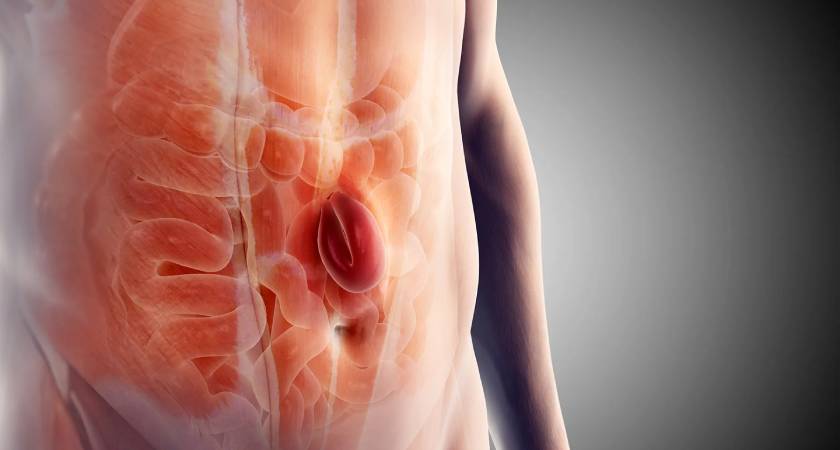
A hernia happens when an internal organ or tissue pushes through a weak area in the muscle wall. Common types include inguinal, umbilical, incisional, femoral, and hiatal hernias.

Hernias do not heal on their own. Over time, they may increase in size and cause pain or serious complications. Surgery is the only permanent treatment.

Patients searching for a hernia hospital near me or hernia treatment in Hyderabad usually want safe surgery, quick recovery, and minimal pain.

What Is Laparoscopic Hernia Surgery?

Laparoscopic hernia surgery is also known as “Keyhole Surgery” or “Minimally Invasive Hernia Surgery.” It is a modern method where large cuts are avoided.

How Laparoscopic Hernia Surgery Is Performed?

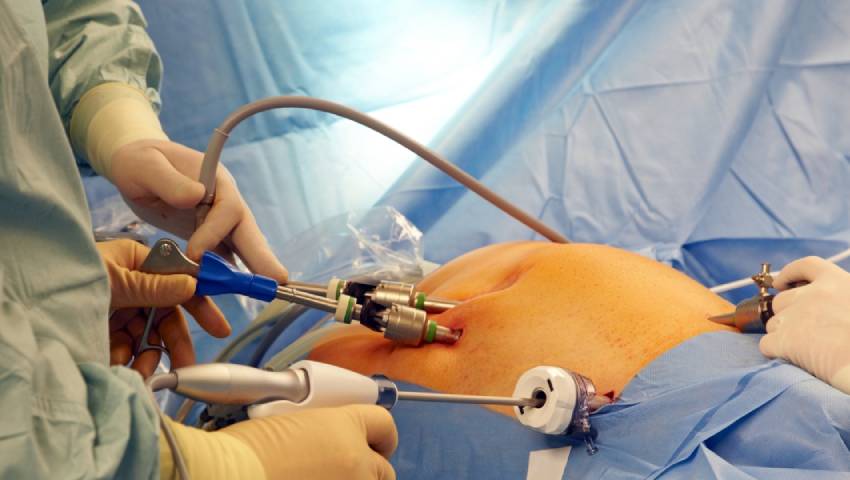
In this method, the surgeon makes 3 to 4 tiny holes (about 0.5 cm to 1 cm) in your abdomen. A special camera (laparoscope) is inserted so the doctor can see inside on a TV screen. Long, thin instruments are used to fix the hernia and place a mesh from the inside.

Types of Hernias Treated with Laparoscopy:

This method is excellent for:

Advantages of Laparoscopic Hernia Surgery:

  • Less Pain: Because the cuts are tiny, it is often called painless hernia treatment.
  • Faster Recovery: You can walk on the same day.
  • Small Scars: Cosmetically better results.
  • Quick Return to Work: Best for office goers and IT professionals.

What Is Open Hernia Surgery?

Open hernia surgery is the traditional way of fixing hernias. It has been used for many years and is still very effective in specific situations.

How Open Hernia Surgery Is Done?

The surgeon makes a single larger cut (incision) directly over the hernia bulge (about 3 to 4 inches). The protruding organ is pushed back, and the muscle wall is stitched or reinforced with a mesh.

When Open Hernia Surgery Is Recommended?

While laparoscopy is popular, open surgery is better for:

  • Large or Complicated Hernias: If the hernia is huge, open surgery gives the doctor better access.
  • Emergency Cases: If the intestine is stuck or rotting (strangulated hernia), open surgery allows the doctor to remove the damaged part safely.
  • Patients who cannot undergo General Anesthesia: Open surgery can be done under local anesthesia (numbing only that area).

Advantages of Open Hernia Surgery:

  • Can be done under local anesthesia.
  • Suitable for patients with severe heart or lung issues who cannot tolerate the gas used in laparoscopy.
  • Slightly lower cost in smaller nursing homes (though overall costs vary).

Laparoscopic Hernia Surgery vs Open Hernia Surgery – Key Differences

Procedure Comparison:
  • Surgical approach: Laparoscopic surgery uses small cuts; open surgery uses a single large cut.
  • Anaesthesia: Laparoscopy usually needs general anaesthesia, while open surgery may use spinal or local anaesthesia.
Pain, Recovery & Hospital Stay:

Laparoscopic surgery causes less pain and faster recovery. Most patients go home within 24 hours. Open surgery may need a longer hospital stay and rest.

Scarring & Cosmetic Outcome:

Laparoscopic surgery leaves very small scars. Open surgery results in a visible scar.

Risk of Infection & Complications:

The risk of infection is lower with laparoscopic surgery due to smaller wounds.

Hernia Recurrence Rates:

With experienced surgeons like Dr. N. Subrahmaneswara Babu, both methods have low recurrence rates. A surgeon’s skill matters more than the technique.

Which Is Better – Laparoscopic or Open Hernia Surgery?

There is no single “best” answer. It depends on your body and lifestyle.

  • Best Option for Working Professionals: If you have a desk job or work in IT in Hitech City or Gachibowli, laparoscopic hernia surgery is usually better. You can return to work in 5 to 7 days.
  • Best Choice for Elderly Patients: For older patients with heart problems, Open Surgery under local anesthesia might be safer because general anesthesia (required for laparoscopy) can be risky for them.
  • Best Surgery for Recurrent Hernia: If you had open surgery before and the hernia came back, laparoscopic repair is the gold standard. It allows the surgeon to work on a fresh tissue plane, avoiding old scars.
  • Surgeon Expertise & Patient Factors: The success of the surgery depends heavily on the surgeon’s skill. You need a specialist who is an expert in both. Dr. N. Subrahmaneswara Babu, with 18+ years of experience, evaluates every patient individually at Hills Gastro & Onco Care to decide the safest approach.

Recovery After Laparoscopic vs Open Hernia Surgery:

Recovery is the main concern for most patients.

Recovery Time Comparison:
  • Laparoscopic: You feel normal within 1 week. Heavy lifting can be resumed after 3-4 weeks.
  • Open: You may feel soreness for 2 weeks. Heavy lifting should be avoided for 6 weeks.
Return to Work & Normal Activities:
  • Driving: You can drive after 3-5 days with laparoscopy, compared to 10-14 days with open surgery.
  • Office Work: Laparoscopic patients often login to work from home within 3 days.
Post-Surgery Care & Lifestyle Tips:
  • Eat a high-fiber diet to avoid constipation.
  • Walk daily to improve blood flow.
  • Avoid lifting heavy weights (buckets, gas cylinders) strictly for the first month.

Cost Comparison – Laparoscopic Hernia Surgery Vs Open Surgery:

Many patients ask about the hernia surgery cost in Hyderabad.

Cost of Laparoscopic Hernia Surgery:

Laparoscopic surgery usually costs slightly more than open surgery. This is because it uses specialized technology (camera systems) and tackers to fix the mesh. However, since the hospital stay is shorter and you get back to work faster, many find it financially worth it.

Cost of Open Hernia Surgery:

The surgical equipment cost is lower for open surgery. However, if you stay in the hospital longer due to pain, the room charges might balance out the difference.

Factors Affecting Hernia Surgery Cost:
  • Type of Mesh: Standard vs. Advanced lightweight mesh.
  • Hospital Choice: Best hospitals for hernia surgery in Hyderabad, like Apollo or specialized clinics like Hills Gastro & Onco Care, offer different packages.
  • Insurance: Most health insurance policies cover both surgeries.

Risks & Complications of Both Procedures:

Every surgery has some risk, but hernia surgery is generally very safe.

Common Surgical Risks:
  • Open: Wound infection, blood collection (hematoma).
  • Laparoscopic: Injury to nearby organs (very rare with experts), shoulder pain due to gas (resolves in 24 hours).
How Modern Techniques Reduce Complications?

Experienced surgeons use advanced 3D mesh and precise techniques to ensure the repair is tension-free. This significantly drops the complication rate.

When Should You Consult a Hernia Specialist?

Do not wait for the pain to become unbearable.

Warning Signs You Should Not Ignore:
  • Painful bulge in the abdomen or groin
  • Pain while lifting or coughing
  • Nausea or vomiting
  • Hernia is not going back inside
Importance of Early Diagnosis & Treatment

Early treatment prevents emergency surgery and complications.

Consult Hernia Specialist Dr. N. Subrahmaneswara Babu:

If you are looking for the Best hernia surgeon in Hyderabad, consider consulting Dr. N. Subrahmaneswara Babu.

With over 18 years of experience, Dr. N. S. Babu is a leading Surgical Gastroenterologist in Hyderabad. He serves as the Director of Hills Gastro & Onco Care and is a Consultant at Apollo Hospitals. He is an expert in both laparoscopic hernia surgery vs open hernia surgery and has treated thousands of patients successfully.

Why Choose Dr. N. Subrahmaneswara Babu?

Don’t live with hernia pain. Get the best treatment call us 94908 08080 today.

How to Cure Chronic Constipation Permanently: Proven Methods & Home Remedies?

Chronic constipation is a troubling digestive issue that affects many people across India, especially those with busy lifestyles and irregular eating habits. It becomes a concern when you pass stools less than three times a week, face hard stools, struggle with straining, or feel your stomach never empties fully. If you are searching for how to cure chronic constipation permanently, the right approach can make a big difference.

Most cases improve with a proper constipation diet plan, healthy habits, and simple natural remedies for constipation. In this guide, you’ll learn proven ways to relieve constipation fast, long-term solutions to prevent it from returning, and when to seek expert care—especially if you need constipation treatment in Hyderabad from a specialist like Dr. N. Subrahmaneswara Babu at Hills Gastro & Onco Care.

What Is Chronic Constipation?

Chronic constipation means difficulty passing stool for more than 12 weeks. Common symptoms include:

  • Hard, dry, or lumpy stools
  • Straining for long periods
  • Bloating, heaviness, and gas
  • Feeling of incomplete evacuation
  • Pain during bowel movements

It affects students, IT employees, homemakers, and elderly people equally—especially with today’s sedentary lifestyle and low-fiber diets.

Can You Cure Chronic Constipation Permanently?

Yes—most people can cure chronic constipation permanently with a combination of:

  • Diet changes
  • Hydration
  • Regular physical activity
  • Stress management
  • Treating underlying medical conditions

For stubborn cases, a gastroenterologist can identify deeper causes and guide advanced treatment. At Hills Gastro & Onco Care, Dr. N. Subrahmaneswara Babu offers comprehensive constipation treatment in Hyderabad, helping patients achieve long-term relief.

Proven Medical Methods to Cure Chronic Constipation Permanently:

If your constipation persists despite home remedies, a medical evaluation is necessary.

  • Osmotic Laxatives (Safe for Long-Term Use): Such as PEG, lactulose—draw water into the colon and soften stools.
  • Fiber Supplements: Psyllium husk (Isabgol) adds bulk and regulates stools.
  • Prescription Medicines: A gastroenterologist may prescribe:
    1. Prucalopride
    2. Linaclotide
    3. Lubiprostone

These help the intestines move stool more effectively.

  • Biofeedback Therapy: For people with pelvic floor dysfunction.
  • Surgery (Rare): Only when severe bowel obstruction, rectocele, or colon inertia is diagnosed.

Dr. N. S. Babu, known as the Best GI Surgeon in Hyderabad, evaluates surgical needs only when absolutely required.

Best Home Remedies to Cure Chronic Constipation Naturally:

These remedies are safe, simple, and effective for daily use.

  • Warm Water + Lemon in the Morning: Kickstarts bowel movement.
  • Milk with Ghee (Night Routine): A traditional Indian remedy that lubricates the gut.
  • Isabgol (Psyllium Husk): Softens stool; works within 8–12 hours.
  • Triphala Powder: Ayurvedic formula for long-term bowel health.
  • Ginger Tea: Activates your digestive muscles.
  • Fennel Seed Water (Saunf Water): Reduces bloating and supports smooth digestion.

Diet Plan to Cure Chronic Constipation Permanently:

A long-lasting constipation cure starts with your diet.

Foods to Eat:

  • Oats, dalia, brown rice
  • Apples, papaya, pears, berries
  • Prunes, figs, dates
  • Palak, broccoli, lauki, carrots
  • Whole wheat chapati / multigrain atta
  • Beans, lentils, rajma, chana
  • Chia seeds, flax seeds

Foods to Avoid:

  • Maida-based foods (white bread, bakery items)
  • Excess dairy
  • Red meat
  • Packed snacks
  • Fried and oily items
  • Very ripe bananas (can worsen constipation)

Lifestyle Changes That Prevent Constipation Forever:

These small habits bring big results.

  • Walk 30 Minutes Daily: Movement stimulates your intestines.
  • Follow a Fixed Toilet Routine: Go at the same time daily—preferably after breakfast.
  • Use the Squatting Position: Improves stool passage. Use a footstool if you have a Western toilet.
  • Drink 2.5–3 Litres of Water Daily: Hydration softens stool naturally.
  • Reduce Stress: Meditation and deep breathing relax your digestive system.

When Chronic Constipation Is a Sign of an Underlying Condition?

You may need medical attention if constipation is caused by:

  • IBS
  • Thyroid imbalance
  • Diabetes
  • Colon polyps
  • Pelvic floor dysfunction
  • Medication side effects

A gastroenterologist in Hyderabad, Dr. N. S. Babu, will diagnose and treat the root cause—not just the symptoms.

When to See a Doctor for Chronic Constipation?

Consult a constipation specialist doctor if you experience:

  • Constipation for more than 3 weeks
  • Blood in stools
  • Severe abdominal pain or vomiting
  • Unexplained weight loss
  • Constipation affects daily life
  • Need to use laxatives daily

If you’re in Hyderabad, Secunderabad, or Kompally, visit Hills Gastro & Onco Care, known for trusted constipation treatment in Hyderabad.

Meet the Expert – Dr. N. Subrahmaneswara Babu:

Director, Hills Gastro & Onco Care Consultant, Surgical Gastroenterologist – Apollo Hospital 18+ Years Experience 10,000+ Successful Procedures.

Dr. N. Subrahmaneswara Babu is recognised as one of the Best Surgical Gastroenterologists in Hyderabad. He specialises in treating chronic constipation, IBS, anal fissures, piles, and complex GI disorders.

Patients trust him for:

  • Advanced diagnostic methods
  • Honest medical guidance
  • Minimal medicine approach where possible
  • Patient-first treatment plans

Searches like gastroenterologist near me, constipation hospital near me, and constipation treatment near me often lead patients to Hills Gastro & Onco Care because of its reputation for ethical and effective care.

Conclusion: Permanent Relief From Chronic Constipation Is Possible

Permanent relief from chronic constipation is absolutely achievable when you follow the right combination of healthy habits, including a fibre-rich diet, proper hydration, regular activity, and stress-free toilet routines. These simple changes strengthen your digestion and help your bowels function naturally over time. But if your symptoms continue for weeks or become painful, it is important not to ignore them, as long-standing constipation can lead to piles, fissures, or other serious gut issues.

For specialised care and accurate diagnosis, you can consult Dr. N. Subrahmaneswara Babu, a leading gastroenterologist offering advanced constipation treatment in Hyderabad at Hills Gastro & Onco Care. If you need personalised guidance or a permanent solution, call 94908 08080 to book your appointment and take the first step toward long-lasting relief.

Is Hernia Curable Without Surgery?

A hernia is a very common problem in India, especially among people who lift heavy weights, have chronic cough, long-term constipation, obesity, or previous abdominal surgeries. Many people feel a small lump near the stomach, groin, or belly button and hope it will “go away with medicines. “This leads to the most asked question: Is hernia curable without surgery? Can a hernia heal itself? Can hernia be cured without operation? If you’re searching for clear answers, this guide explains everything you need to know — what is possible, what is not, and when surgery becomes the only permanent treatment.

This article also includes the expert opinion of Dr. N. Subrahmaneswara Babu, one of the leading Hernia Specialists in Hyderabad, Director at Hills Gastro & Onco Care, and Consultant Surgeon at Apollo Hospital, with 18+ years of experience.

Can a Hernia Heal on Its Own?

The straight and simple answer is: No. A hernia cannot heal on its own and it cannot go back inside permanently without surgery.

Why?

A hernia happens when an internal organ (mostly intestine) pushes out through a weak spot in the abdominal wall. Once this gap or weakness forms, the body cannot repair it naturally. Medicines, oils, heat, or massages cannot close the opening.

What may improve temporarily (but not cure):

  • The bulge may become smaller when lying down
  • Pain may decrease with rest
  • Symptoms may come and go

But the hernia remains and can become bigger over time.

This is why doctors everywhere, including hernia specialists at Hills Gastro & Onco Care, recommend timely evaluation.

Non-Surgical Ways to Manage Hernia Symptoms (Temporary Relief Only):

Many people search for non-surgical hernia treatment, hoping to avoid an operation. While you can manage symptoms temporarily, it is important to understand that these methods do not cure a hernia.

Here are safe ways to reduce discomfort:

1. Avoid Heavy Lifting

Lifting increases abdominal pressure and can worsen the hernia.

2. Treat Constipation

  • Straining increases hernia pain.
  • Use a fibre-rich diet, drink more water, or take safe laxatives if needed.

3. Maintain a Healthy Weight

Extra fat increases pressure on the abdomen.

4. Use a Hernia Belt (Only for short-term relief)

A hernia belt can support the bulge but cannot replace surgery.

Doctors allow it only if:

  • The patient is not fit for surgery
  • Surgery is postponed temporarily

5. Avoid Foods That Trigger Acidity

Especially for hiatal hernia, avoid:

  • Spicy foods
  • Excess coffee
  • Citrus fruits
  • Late-night meals

These changes help reduce symptoms but do not fix the opening.

Exercises That May Help Strengthen Abdominal Muscles:

Exercises can help with abdominal strength but do not repair the hernia.

Safe exercises:
  • Light walking
  • Gentle pelvic tilts
  • Deep breathing exercises
  • Low-impact yoga (under guidance)
Avoid:
  • Crunches
  • Heavy gym workouts
  • Weightlifting
  • High-intensity exercises

Exercise can manage discomfort but cannot cure hernia naturally.

Doctors say: “Support muscles, but don’t strain your abdomen.”

When Is Hernia Surgery the Only Permanent Solution?

A hernia can only be permanently cured through surgery.

This includes:

Surgery closes the opening and prevents the intestine from coming out again.

Modern Laparoscopic Hernia Surgery

Today’s hernia repair is:

  • Minimally invasive
  • Less painful
  • Allows faster recovery
  • Usually done as a day-care procedure

Mesh repair gives long-term strength and prevents recurrence.

When doctors recommend surgery immediately:
  • The hernia is growing in size
  • Pain is increasing
  • Bulge is not going back inside
  • Frequent discomfort while walking or bending

If the hernia becomes trapped (strangulated), it becomes a medical emergency.

Risks of Avoiding Surgery for Too Long:

Delaying treatment can cause serious complications.

1. Strangulation

The intestine gets trapped, andthe  blood supply stops.

Symptoms:

  • Severe pain
  • Vomiting
  • Redness on the bulge

Needs emergency surgery.

2. Obstruction

Part of the intestine gets blocked.

Symptoms:

  • No passing of gas
  • Vomiting
  • Severe bloating

3. Hernia Becomes Larger

Bigger hernias require bigger surgery and mesh.

4. Chronic Pain

Long-term pressure on nerves causes constant pain.

5. Lifestyle Restrictions

Patients cannot lift, walk freely, or eat comfortably.

This is why hernia specialists in Hyderabad recommend early treatment.

Hernia Treatment Options in Hyderabad:

In Hyderabad, patients have access to world-class laparoscopic and advanced hernia repair procedures.

Dr. N. Subrahmaneswara Babu, one of the most trusted Hernia Surgeons in Hyderabad, offers:

  • Laparoscopic Inguinal Hernia Repair
  • Umbilical Hernia Repair
  • Femoral Hernia Repair
  • Incisional Hernia Repair
  • Hiatal Hernia Treatment
  • Complex/Recurrent Hernia Surgery

His approach focuses on Accurate diagnosis, minimally invasive repair, Fast recovery, and low recurrence. He practices at Hills Gastro & Onco Care, Hyderabad, Apollo Hospitals (Consultant, Surgical Gastroenterology).

Can Hernia Be Cured Without Operation? — Final Verdict

A hernia cannot be cured permanently without surgery, as it does not heal on its own. Home remedies or exercises may ease pain for some time, but they cannot close the abdominal opening. The only proven and permanent solution is hernia surgery, especially laparoscopic repair, which offers fast recovery and long-term relief. Delaying treatment can lead to complications, so early evaluation is important. If you need reliable hernia treatment in Hyderabad, Secunderabad, or nearby areas, you can consult Dr. N. Subrahmaneswara Babu at Hills Gastro & Onco Care and Apollo Hospitals. For appointments, call 94908 08080.

Blood in Stool: When It’s a Warning Sign for Piles or Something Serious

Seeing blood in your stool can be alarming. Your first thought might be — “Is it piles?” While piles (also called haemorrhoids or bawaseer) are one of the most common causes of rectal bleeding, they aren’t the only reason. Sometimes, this symptom could point to anal fissures, infections, inflammatory bowel disease (IBD), or even more serious issues like colorectal cancer. If you notice blood after passing stool, it’s important not to ignore it. Early diagnosis helps prevent complications and ensures proper treatment. In Hyderabad, you can consult Dr. N. Subrahmaneswara Babu, a leading Piles Specialist and Surgical Gastroenterologist in Hyderabad at Hills Gastro & Onco Care, who offers advanced, painless, and laser piles treatment options.

Blood in Stool – Is It Piles or Something More Serious?

Piles cause about half of all rectal bleeding cases. However, several other conditions can also cause blood in stool. The key difference lies in the colour, amount, and accompanying symptoms.

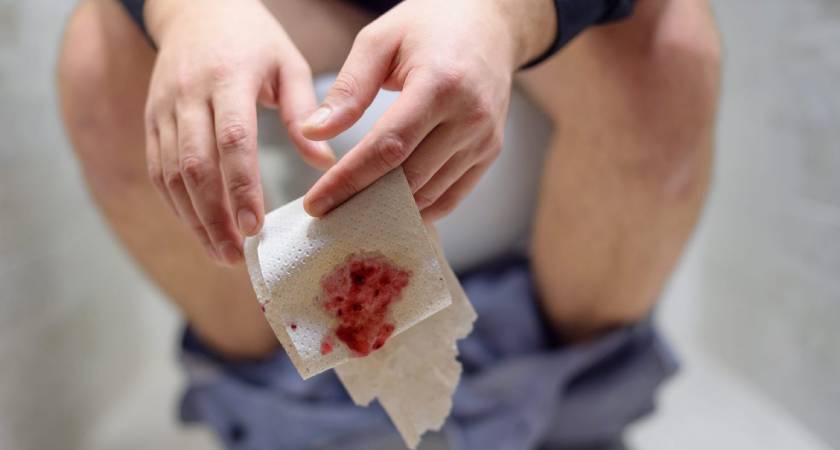
  • Bright red blood on tissue or stool usually suggests piles or fissures.
  • Dark or maroon blood may come from the colon or small intestine.
  • Black, tarry stool may indicate bleeding from the stomach or upper intestine and needs immediate medical attention.

Not all rectal bleeding means something dangerous — but no bleeding should ever be ignored.

Is Blood in Stool Always a Sign of Piles?

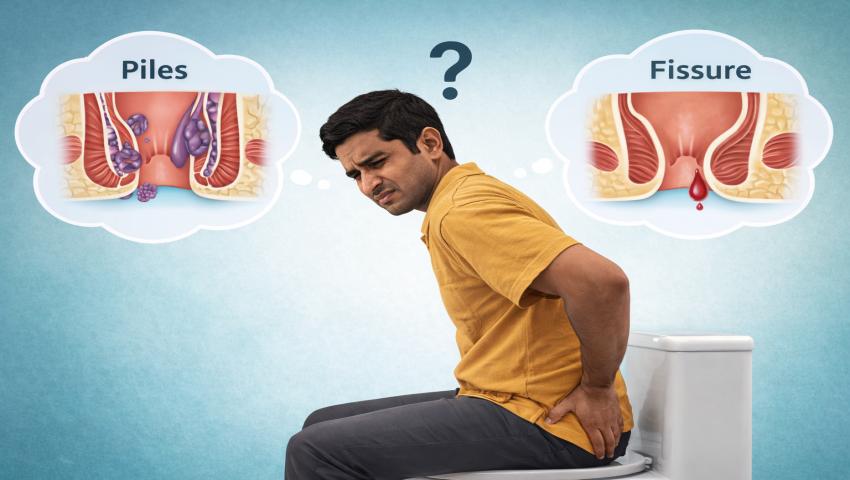
No. Many people assume all bleeding means piles, but that’s not always true. Piles often cause painless bleeding, especially during bowel movements, while fissures usually cause severe pain and burning. The safest approach is to let a blood in stool specialist in Hyderabad examine you. With a simple proctoscopy or anoscopy, the doctor can confirm if it’s piles or something else.

Other Possible Causes of Blood in Stool:

  • Anal Fissures: Small tears around the anus are caused by hard stools, constipation, or childbirth. Bleeding is bright red and painful. Treatment includes stool softeners, hydration, and laser fissure surgery in chronic cases.
  • Diverticular Disease: Inflamed or infected pouches in the colon can cause sudden bleeding with abdominal pain. Needs antibiotics or, rarely, surgery.
  • Inflammatory Bowel Disease (IBD): Chronic inflammation of the intestine (Crohn’s disease or ulcerative colitis) causes diarrhoea, blood in stool, and weight loss. Needs long-term specialist care.
  • Colorectal Polyps or Cancer: Polyps are non-cancerous growths that can bleed. If ignored, they may turn malignant. Regular colonoscopy after age 45 is vital for prevention.
  • Infections and Gastroenteritis: Bacterial infections (like E. coli or Shigella) can cause bloody diarrhoea, stomach pain, and fever. Treatment focuses on hydration and antibiotics.

Stages of Piles and When Bleeding Occurs:

Piles develop in four grades:

  • Grade 1 (Early stage): Small internal piles that bleed occasionally.
  • Grade 2: Piles protrude during stool but retract on their own.
  • Grade 3: Piles need manual pushing back inside after passing stool.
  • Grade 4: Permanently prolapsed piles that stay outside and bleed frequently.

Bleeding is most common in Grade 1–2 piles and becomes painful in Grade 3–4.

When to Worry About Blood in Stool?

You should see a doctor immediately if:

  • Bleeding is heavy or continuous.
  • Blood is dark, tarry, or mixed with stool.
  • You have dizziness, weakness, or fainting.
  • There’s severe abdominal pain or weight loss.
  • You are over 45 years old and notice new bleeding.

If these red flags appear, it may indicate cancer, IBD, or infection, not simple piles. For accurate diagnosis and safe treatment, consult Dr. N. Subrahmaneswara Babu, a leading Gastroenterologist and Piles Specialist in Hyderabad at Hills Gastro & Onco Care.

Diagnosis – Finding the Root Cause:

At Hills Gastro & Onco Care, diagnosis begins with a detailed history and examination. Tests may include:

  • Digital Rectal Examination (DRE) – a simple and quick test to feel for piles or fissures.
  • Anoscopy / Proctoscopy – examines the lower rectum with a small scope.
  • Colonoscopy – inspects the entire colon for polyps, IBD, or cancer.
  • Stool and Blood Tests – check for infection, inflammation, or anaemia.

Accurate diagnosis helps your Proctologist in Hyderabad decide the best treatment plan.

Treatment Options for Piles-Related Bleeding:

At Hills Gastro & Onco Care, Hyderabad, treatment plans are tailored to the severity of piles, ensuring fast recovery and minimal discomfort under the expert care of Dr. N. Subrahmaneswara Babu.

Home & Medical Treatment (Grades 1–2):
  • High-fibre diet (whole grains, fruits, vegetables)
  • Drink plenty of water
  • Sitz baths to ease pain
  • Avoid straining during bowel movements
  • Topical creams and suppositories
Minimally Invasive Procedures (Grades 2–3):
  • Rubber Band Ligation: Cuts off the blood supply to the piles, which shrink naturally.
  • Sclerotherapy: Injection therapy for smaller haemorrhoids.
  • Laser Piles Treatment in Hyderabad:
    • Bloodless, painless, and quick.
    • Done under local anaesthesia.
    • Recovery within 2–3 days.
    • No stitches, minimal recurrence.
Surgical Treatments (Grades 3–4):
  • Stapler Hemorrhoidopexy: Fixes prolapsed piles quickly with less pain.
  • Conventional Hemorrhoidectomy: Used for large, chronic piles.

Most procedures are day-care surgeries, allowing patients to return home the same day.

When It's More Than Piles – Know the Red Flags?

Sometimes bleeding continues even after the piles treatment. This could mean:

  • Polyps or colorectal cancer develop in the intestine.
  • IBD with ongoing inflammation.
  • Anal fissures that haven’t healed.

If bleeding persists beyond a week or new symptoms appear (weight loss, fatigue, or changes in bowel habits), see a gastroenterologist in Hyderabad immediately.

Conclusion:

Finding blood in stool is never something to ignore. While piles and fissures are the most common causes, serious conditions like IBD or colorectal cancer can also lead to bleeding.

Early consultation with a Piles Specialist or Proctologist in Hyderabad ensures correct diagnosis, timely treatment, and peace of mind. Whether you need painless laser piles surgery, anal fissure treatment, or expert colorectal care, Dr. N. Subrahmaneswara Babu and his team at Hills Gastro & Onco Care, Kompally, provide world-class treatment with compassionate support.

Can You Prevent a Hernia? Lifestyle Changes to Minimize Your Risk?

Can you prevent a hernia? This is one of the most common questions patients ask hernia specialists in Hyderabad. The good news is that in many cases, yes, you can lower your risk through healthy lifestyle choices. A hernia occurs when an internal organ pushes through a weak spot in the abdominal wall, often due to strain, poor posture, or excess pressure. According to Dr. N. Subrahmaneswara Babu, at Hills Gastro & Onco Care and Consultant at Apollo Hospital with over 18 years of surgical experience, most hernias develop due to preventable causes such as obesity, chronic coughing, constipation, or lifting heavy weights incorrectly. By maintaining a healthy weight, eating a fibre-rich diet, and exercising safely, you can protect your abdominal muscles and reduce strain. Early prevention and regular consultation with a hernia surgeon in Hyderabad can help you avoid complex hernia treatment later.

What Is a Hernia and Why Does It Occur?

A hernia occurs when an internal organ or fat tissue pushes through a weak portion of muscle or connective tissue. This results in a bulge that may become more noticeable when you strain, cough, or lift heavy loads.

Common types include:

Muscle weakness plus repeated pressure inside the abdomen is often how hernias form. Over time, that weakened spot gives way.

Because of that mechanism, prevention focuses on reducing stress, strengthening supportive muscles, and avoiding conditions that raise pressure inside the abdomen.

Can You Prevent a Hernia Naturally?

No method offers complete immunity — some risk factors aren’t modifiable (like anatomy, prior surgery, or genetics). But yes: many hernias are preventable or their onset delayed. According to surgical guidelines and experts, lifestyle change is your first line of defense.

Your goal is to keep abdominal pressure in check, strengthen core muscles, and avoid repeated strain. With consistent habits, you can make a big difference in your risk profile.

Lifestyle Changes to Minimize Your Risk of Hernia:

1. Maintain a Healthy Weight:

Carrying extra belly fat increases constant internal pressure on the abdominal wall. Losing even moderate weight helps reduce strain.

How to do this: Eat a balanced diet (fruits, vegetables, whole grains), avoid processed and sugary foods, control portions, and increase physical activity.

2. Eat a Fibre-Rich Diet & Stay Hydrated

Constipation and straining during bowel movements are common culprits for triggering hernia formation. A diet rich in fibre (whole grains, legumes, fruits, vegetables) along with sufficient water helps keep stool soft and prevent pushing.

3. Use Proper Lifting Technique

One of the most common causes of a hernia is incorrect lifting. Always:

  • Bend your knees (not your waist)
  • Keep the object close to your body
  • Exhale while lifting — don’t hold your breath
  • Ask for help or use tools for heavy loads
  • Avoid twisting while carrying weight

These steps reduce sudden spikes in abdominal pressure.

4. Strengthen Core Muscles (Gently)

A stronger core shields weaker areas around your abdomen. But be cautious — avoid abrupt or strenuous exercises. Some safe options:

  • Planks (gentle, not forced)
  • Pelvic tilts
  • Bridges
  • Low-impact yoga or Pilates

Avoid crunches or heavy resistance on your abdominal wall until your core is well-conditioned.

5. Manage Chronic Cough & Quit Smoking

Chronic coughing repeatedly pushes on the abdominal wall, weakening it. Smoking also damages connective tissue and delays healing. Quitting smoking improves overall muscle and tissue strength and lowers hernia risk.

6. Avoid Heavy Meals Just Before Activity

Especially for hiatal hernias (where the stomach pushes upward through the diaphragm), eating a heavy meal right before lying down or vigorous activity can push that boundary. Wait 2–3 hours after eating before doing strenuous tasks.

7. Be Mindful After Surgery

If you’ve had abdominal surgery, the risk of incisional hernia is real. Avoid heavy lifting or strain in the first 6–8 weeks. Surgeons sometimes reinforce the surgical area with mesh during the procedure to reduce the chance.

When Should You See a Hernia Specialist in Hyderabad?

Some red flags indicate it’s time to seek professional care:

  • A new bulge in your groin or abdomen
  • Pain, discomfort, or a dragging sensation with movement
  • A bulge that doesn’t go back when lying down
  • Gradual increase in size or worsening symptoms
  • Signs of complications: severe pain, redness, vomiting, inability to pass stool

In Hyderabad, many patients consult a hernia specialist early to avoid worsening outcomes. Dr. N. Subrahmaneswara Babu at Hills Gastro & Onco Care and Apollo Hospital is one such reputed expert in hernia diagnosis and treatment.

Treatment Options if a Hernia Develops:

If a hernia is confirmed, treatment depends on the type, size, symptoms, and the patient’s health. Options include:

  • Watchful waiting: For small, asymptomatic hernias
  • Lifestyle modification & monitoring
  • Surgical repair: Traditional (open) or minimally invasive laparoscopic/robotic methods
  • Mesh reinforcement to reduce recurrence

Modern techniques aim for fast recovery, small scars, less pain, and durable results. Many hernia repairs now use mesh patches to strengthen the weak spot.

At Hills Gastro & Onco Care, Dr. N. S. Babu offers advanced laparoscopic hernia repair with patient-centered planning and follow-up.

Hernia Surgery Expertise at Hills Gastro & Onco Care:

Why trust Hills Gastro & Onco Care for prevention and hernia care?

  • Proven expertise: Dr. N. Subrahmaneswara Babu is one of the Best Surgical Gastroenterology in Hyderabad & hernia specialists in Hyderabad with deep experience in laparoscopic hernia repair.
  • Modern infrastructure: equipped for minimally invasive and robotic surgery
  • Comprehensive approach: prevention counselling, surgical repair, rehabilitation, recurrence prevention
  • High success & safety standards
  • Strong reputation in Hyderabad: trusted by many patients for hernia treatment in Hyderabad

As Director of Hills Gastro & Onco Care and Consultant at Apollo Hospitals, Dr. Babu has built strong local trust and EEAT credibility in hernia surgery.

How to Reduce Your Hernia Risk?

You cannot completely prevent a hernia, but healthy lifestyle choices lower the chances. Maintain a healthy weight, eat a fibre-rich diet to avoid constipation, and use safe lifting techniques. Gentle core exercises keep abdominal muscles strong, while controlling cough and quitting smoking reduces pressure on the abdomen. Always watch for early signs like bulges or pain, and consult an experienced hernia surgeon in Hyderabad if symptoms appear. When surgery is required, choosing a trusted centre such as Hills Gastro & Onco Care ensures advanced treatment and better recovery outcomes.

Book a Consultation at Hills Gastro & Onco Care:

If you are wondering, “Can you prevent a hernia?” or need expert advice on managing symptoms, it is best to consult a trusted hernia specialist in Hyderabad. At Hills Gastro & Onco Care, under the guidance of Dr. N. Subrahmaneswara Babu, you receive accurate diagnosis and advanced treatment options. With over 18 years of surgical expertise and his role as Consultant at Apollo Hospital, he is among the most trusted hernia surgeons in Hyderabad. Whether you are looking for preventive guidance or considering hernia treatment in Hyderabad, timely consultation ensures better outcomes. Visit the best hospital for hernia surgery in Hyderabad and take the first step towards recovery. Call 94908 08080 or email nsbabu1984@gmail.com today to book your appointment.