
Do’s and Don’ts After Hernia Repair

Hernia repair surgery is a common and safe procedure used to fix a weak area in the abdominal wall. Modern surgical techniques, particularly laparoscopic hernia surgery, enable patients to recover faster and return to their normal lives within a short period. However, proper care after surgery is very important to prevent complications and ensure complete healing.

Many patients feel better within a few days, but the abdominal muscles still need time to heal properly. Following the right post-surgery precautions can help reduce pain, avoid infection, and prevent the hernia from coming back.

At Hills Gastro & Onco Care, Dr. N. Subrahmaneswara Babu, a Best Surgical Gastroenterologist in Hyderabad with 18 years of experience, provides advanced hernia care and treatment. As an experienced Hernia Surgeon in Hyderabad, he guides patients through a safe recovery process after surgery.

This guide explains the important do’s and don’ts after hernia repair surgery to help you recover smoothly.

Why Post-Surgery Care Is Important?

After hernia repair surgery, the abdominal muscles and tissues need time to heal. Proper care during the recovery period helps:

  • Prevent infection
  • Reduce swelling and pain
  • Avoid pressure on the repaired muscles
  • Lower the risk of hernia recurrence
  • Promote faster healing

Following your surgeon’s advice plays a key role in successful recovery.

Do’s After Hernia Repair Surgery:

1. Take Proper Rest: Rest is essential during the first few days after surgery. Your body needs time to heal, especially the muscles that were repaired during the procedure. Short periods of rest combined with light activity are usually recommended.

2. Walk Slowly and Regularly: Light walking helps improve blood circulation and reduces the risk of blood clots. Most patients are encouraged to start walking within a day after surgery. Start slowly and increase activity gradually as advised by your doctor.

3. Follow a Healthy Diet: Eating a balanced diet helps the body recover faster. Foods rich in fiber, vitamins, and protein support tissue healing.

Recommended foods include:

  • Fruits and vegetables
  • Whole grains
  • Lean protein sources
  • Plenty of water

A high-fiber diet also prevents constipation, which is important after hernia surgery.

4. Keep the Surgical Area Clean: Proper wound care reduces the risk of infection. Follow your doctor’s instructions for cleaning the surgical site and changing dressings if required. Report any signs of redness, swelling, or discharge to your doctor.

5. Take Prescribed Medications: Your doctor may prescribe pain relievers, antibiotics, or other medications. Take them exactly as directed to manage discomfort and prevent infection.

6. Wear Supportive Garments if Advised: Some patients may be advised to wear an abdominal support belt after surgery. This helps support the abdominal muscles during recovery. Always use it only as recommended by your surgeon.

Don’ts After Hernia Repair Surgery:

1. Avoid Heavy Lifting: One of the most important precautions is avoiding heavy lifting. Lifting heavy objects can put pressure on the repaired muscles and may lead to the recurrence of the hernia. Most patients are advised to avoid lifting heavy items for at least 4 to 6 weeks.

2. Do Not Strain During Bowel Movements: Straining during bowel movements can increase abdominal pressure. This is why maintaining a high-fiber diet and staying hydrated is important. If constipation occurs, consult your doctor for advice.

3. Avoid Intense Exercise: High-impact activities such as running, weightlifting, or abdominal workouts should be avoided during the initial recovery period. Your doctor will advise when it is safe to return to regular exercise.

4. Do Not Ignore Pain or Swelling: Mild discomfort after surgery is normal, but persistent or severe pain should not be ignored.

Contact your doctor if you experience:

  • Increasing pain
  • Fever
  • Swelling around the surgical area
  • Nausea or vomiting

Early medical attention helps prevent complications.

5. Avoid Smoking and Alcohol: Smoking slows down healing and increases the risk of infection. Alcohol can also interfere with medications and recovery. Avoid both during the healing period.

When Can You Return to Normal Activities?

Recovery time varies depending on the type of surgery and the patient’s overall health.

Generally:

  • Light activities can begin within a few days
  • Office work may be possible within 1–2 weeks
  • Strenuous activities should be avoided for 4–6 weeks

Following the right recovery guidelines is especially important for patients who have undergone Recurrent Hernia Treatment in Hyderabad, as proper care helps prevent the hernia from coming back again.

Always follow your surgeon’s specific instructions for recovery.

Signs You Should Contact Your Doctor:

While hernia surgery is generally safe, certain symptoms require medical attention.

Consult your doctor if you notice:

  • Persistent fever
  • Severe abdominal pain
  • Redness or discharge at the incision site
  • Difficulty passing stool or urine
  • A new bulge near the surgical area

Prompt medical evaluation ensures proper recovery.

Final Thoughts:

Hernia repair surgery is highly effective, but proper recovery care is essential for long-term success. Following the right do’s and don’ts after hernia repair helps prevent complications and supports faster healing.

Simple steps, such as avoiding heavy lifting, maintaining a healthy diet, and following your doctor’s instructions, can make a significant difference in your recovery.

At Hills Gastro & Onco Care, Dr. N. Subrahmaneswara Babu, a Hernia Specialist in Hyderabad, provides expert guidance and advanced surgical care to ensure safe treatment and smooth recovery for patients with hernia conditions.

If you have undergone hernia surgery or are experiencing symptoms of a hernia, consult a specialist for proper evaluation and care.

Early treatment and proper recovery care can help you return to a healthy and active life.
Night-Time Acid Reflux: Causes, Sleeping Positions & Treatment

Do you feel burning in the stomach at night, sour taste in mouth, or throat irritation while sleeping? You may be suffering from Night-Time Acid Reflux. Many people experience acid reflux at night time, but ignore it thinking it is simple acidity. However, repeated reflux at night can disturb sleep and damage the food pipe.

Nighttime reflux is common in people with GERD (Gastroesophageal Reflux Disease). It causes acidity at night, chest burning, cough, sore throat, and even vomiting in severe cases. At Hills Gastro & Onco Care, Hyderabad, Dr. N. Subrahmaneswara Babu, one of the Best Doctors for GERD Treatment in Hyderabad and Consultant at Apollo Hospital, provides advanced and long-term solutions for acid reflux problems.

Let us understand why acid reflux during sleep happens and how to stop it.

What Is Night-Time Acid Reflux?

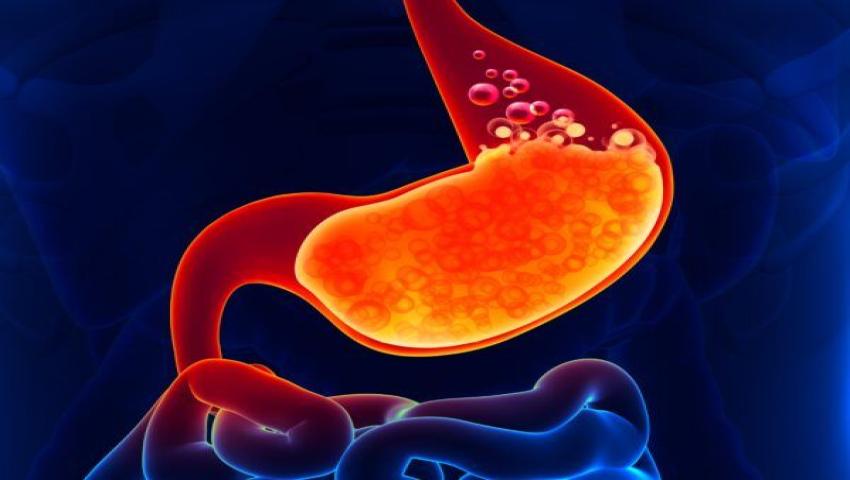
To understand nighttime acid reflux, we must first answer: what is acid reflux? Also known as gastroesophageal reflux (GERD), it occurs when the lower esophageal sphincter (a muscle that acts as a valve between the esophagus and stomach) relaxes abnormally or weakens. This allows digestive acid to escape upward.

When this happens while you are sleeping, it is called night-time acid reflux. Because you are lying down flat, gravity cannot help keep the stomach acid in place, making nighttime GERD symptoms particularly intense and longer-lasting than daytime episodes.

Why Acid Reflux Happens at Night?

Why does acid reflux occur so often after the sun goes down? The primary reason for acidity at night is gravity. During the day, standing or sitting upright naturally keeps digestive acid in the stomach. At night, lying in a horizontal position allows the acid to easily travel up the esophagus. Furthermore, swallowing decreases during sleep. Swallowing normally helps push acid back down and produces saliva, which neutralizes stomach acid.

What Acid Reflux Causes at Night?

Several factors trigger or worsen reflux at night:

  • Late-Night Eating: Going to bed with a full stomach increases gastric pressure.
  • Certain Foods: Spicy, fatty, or acidic foods (like citrus or tomatoes) trigger acid gas symptoms.
  • Obesity: Excess weight puts pressure on the abdomen, forcing acid upward.
  • Medications: Some drugs can relax the esophageal sphincter.
  • Hiatal Hernia: A condition where the upper part of the stomach bulges through the diaphragm.

Common Symptoms For Acid Reflux Disease at Night:

The symptoms of acid reflux at night can range from mildly irritating to severe. Recognizing these signs of acidity in the body is the first step toward treatment:

  • Heartburn Acidity Symptoms: A burning sensation in the chest or stomach pain caused by acid.
  • Throat Pain & Cough: Can acid reflux cause a sore throat? Yes. Acid reflux causes sore throat, chronic coughing, and a hoarse voice, especially in the morning.
  • Acid Vomit/Throwing Up: Severe acid reflux with vomiting or a bitter acid taste in the mouth (mouth acid reflux).
  • Sleep Disruption: Waking up frequently, feeling like you are choking, or experiencing shortness of breath (GERD can cause shortness of breath).
  • Chest Pain: Acid reflux pain areas often mimic heart-related chest pain. (Always consult a doctor to rule out cardiac issues).

Why Acid Reflux Gets Worse When Lying Down?

When you lay flat, you lose the protective barrier of gravity. Digestive fluids can pool in the esophagus for extended periods. This prolonged exposure is why night-time reflux causes more tissue damage than daytime reflux, often leading to a chronic sore throat due to acid reflux, esophagitis, or other esophageal complications.

Best Sleeping Positions for Acid Reflux Relief:

Adjusting your sleep position is one of the most effective home remedies for acid reflux at night.

  • Sleep on Left Side Acid Reflux: The absolute best sleeping position for acid reflux is on your left side. Sleeping on the left side for acid reflux keeps the stomach below the esophagus, making it physically harder for acid to travel upward.
  • Elevate Head of Bed: GERD elevate head of bed strategies work wonders. Use a bed riser or a wedge pillow to raise your upper body by 6 to 8 inches. Do not just pile up regular pillows, as this bends your neck and can actually increase stomach pressure.
  • Avoid Right-Side and Flat-Back Sleeping: Which side sleep acid reflux makes it worse? The right side and lying flat on your back easily allow the acidic contents to flow back into the esophagus.

Immediate Relief Tips for Acid Reflux at Night:

Wondering how to stop acid reflux at night quickly? Try these remedies:

  • What to Drink for Acid Reflux at Night: Sip warm water or chamomile tea to soothe a burning throat. Avoid milk, as the fat can trigger more acid.
  • Chew Sugar-Free Gum: This stimulates saliva production, helping wash away acid in the throat.
  • Antacids: Over-the-counter medication can neutralize stomach acidity and provide fast heartburn relief.

Medical Treatment for Night-Time Acid Reflux:

If lifestyle changes and home remedies fail, gastric reflux medicine becomes necessary.

  • H2 Blockers: Reduce the amount of acid your stomach makes.
  • Proton Pump Inhibitors (PPIs): Stronger gastroesophageal reflux medications that block acid production and allow the esophagus to heal.
  • Prokinetics: Help empty the stomach faster.

Dr. N. Subrahmaneswara Babu provides Acid Reflux (GERD) Treatment in Hyderabad using evidence-based guidelines.

Acid Reflux Treatment Options at Hills Gastro & Onco Care:

For patients suffering from chronic GERD problems, finding the Best Acid Reflux Treatment in Hyderabad is critical. At Hills Gastro & Onco Care, we offer state-of-the-art diagnostic and treatment protocols.

Dr. N. Subrahmaneswara Babu, an esteemed Consultant at Apollo Hospital and recognized as one of the Best Surgical Gastroenterologists and Best GI Surgeons in Hyderabad, provides comprehensive care. Whether you require advanced medication management or evaluation by the best laparoscopic surgeons in Hyderabad for a potential anti-reflux surgery (like Nissen fundoplication), our clinic deliver certified medical care.

Can Acid Reflux Be Cured Permanently?

“Is GERD curable?” and “Can acid reflux be cured?” are common questions. While there is no single magical cure, GERD is highly manageable. Mild cases can often be “cured” through permanent lifestyle and dietary changes. Severe structural issues, like a large hiatal hernia, may be cured permanently through minimally invasive laparoscopic surgery.

When to See a Doctor for Night Acid Reflux?

You should consult an acid reflux specialist Dr. N. S. Babu if you experience:

  • Symptoms of severe acidity that do not improve with over-the-counter meds.
  • Difficulty or pain when swallowing.
  • Vomiting with GERD (especially vomiting blood or dark material).
  • Unexplained weight loss.
  • Acid reflux throat burn that causes chronic choking or asthma-like symptoms.

Can Night-Time Acid Reflux Be Dangerous?

Is acid reflux dangerous? Yes, if left untreated. Chronic acid exposure can lead to esophagitis (inflammation), esophageal strictures (narrowing), and Barrett’s esophagus—a condition that increases the risk of esophageal cancer. Can you die from acid reflux in your sleep? Directly, it is highly unlikely, but severe acid aspiration into the lungs can cause dangerous respiratory issues like pneumonia.

Lifestyle Changes to Prevent Acid Reflux at Night:

How to avoid acid reflux at night? Prevention is your best defense:

  • Eat Early: Finish meals at least 3 hours before going to bed.
  • Smaller Portions: Avoid heavy, large meals in the evening to reduce stomach acid reasons.
  • Identify Triggers: Keep a food diary to track and eliminate foods that cause acidity and gas symptoms.
  • Maintain a Healthy Weight: Losing even a little belly fat significantly reduces the pressure on your stomach.
  • Wear Loose Clothing: Tight waistbands squeeze the stomach, forcing acid up.

Get Expert Treatment for Night-Time Acid Reflux:

Do not let nighttime GERD symptoms rob you of a good night’s sleep. Proper treatment of acidity and gas is essential for your long-term health and well-being.


To schedule an appointment for Acid Reflux (GERD) treatment in Hyderabad, you can call Hills Gastro & Onco Care at 094908 08080, or visit us at 2nd Floor, above DM Neuro Center, plot no 110, NCL Enclave Road, beside Renova Hospital, Petbasheerabad, Caton Residential Twp, Kompally, Hyderabad, Secunderabad, Telangana 500014.

Sleep peacefully. Treat reflux early. Protect your digestive health.

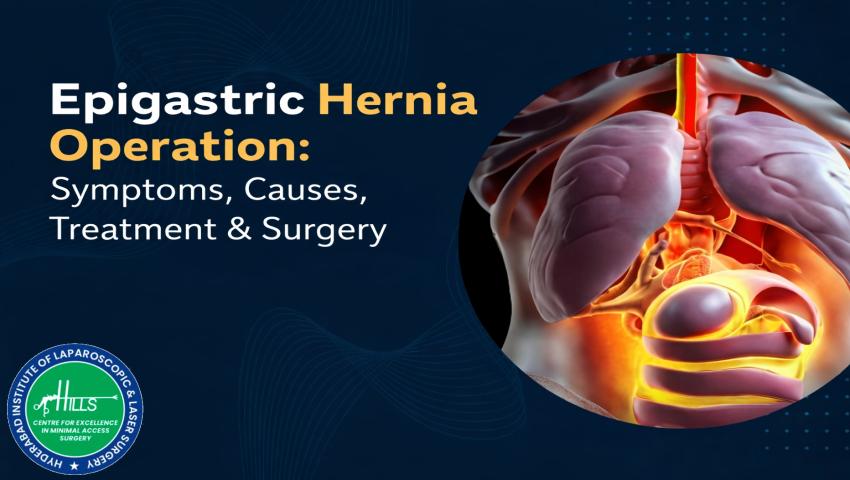
Epigastric Hernia Operation: Symptoms, Causes, Treatment & Surgery

A small lump or bulge in the upper stomach area, especially above the belly button, can be worrying. Many people ignore it, thinking it is gas, fat, or muscle strain. But in some cases, it may be an epigastric hernia, a common yet often misunderstood condition.

An epigastric hernia develops in the epigastric region, which is the area between the chest bone (xiphoid process) and the navel. Early diagnosis and the right epigastric hernia operation can prevent pain, complications, and future emergencies.

At Hills Gastro & Onco Care, Dr. N. Subrahmaneswara Babu, a Best Surgical Gastroenterologist in Hyderabad, offers advanced and safe epigastric hernia surgery in Hyderabad using modern laparoscopic techniques.

This guide explains everything about epigastric hernia surgery, symptoms, and why you should not delay treatment.

What Is an Epigastric Hernia?

An epigastric hernia occurs in the epigastric region of the abdominal wall. This area is located between your navel (belly button) and the bottom of your rib cage (breastbone or xiphoid process).

It happens when there is a gap or weakness in the muscles known as the linea alba. The linea alba is the connective tissue that runs down the middle of your abdomen. When this tissue weakens, fat (called omental fat) or rarely, the intestine, pushes through the small holes in wall of the muscle.

Key points:
  • It usually appears as a lump on stomach in the center.
  • It is often caused by the herniation of omental fat.
  • It is different from an umbilical hernia (which is at the belly button).

What Are the Symptoms of Epigastric Hernia?

Some people have no symptoms at all (asymptomatic). However, most patients visit Hills Gastro & Onco Care complaining of:

  • Visible Lump: A noticeable lump inside stomach or bulging upper stomach that feels soft to touch.
  • Pain: You may feel pain above belly button or tenderness in the epigastric area. This pain often worsens after eating.
  • Discomfort: A feeling of epigastric discomfort or pressure, especially when lifting heavy objects, coughing, or straining on the toilet.
  • Worsens with Activity: The bulging stomach gets bigger when you stand up or do sit-ups.
  • Pinched Feeling: If the fat gets stuck, you might feel a sharp pain.

Note for Women: Sometimes, this pain is mistaken for other issues. If you have pain in upper stomach under breasts or notice a protruding belly button, get a check-up.

What Causes an Epigastric Hernia?

You might wonder, “How is a hernia caused?” It is usually a result of pressure on the abdominal wall pushing through a weak spot. Common causes include:

  • Heavy Lifting: Lifting heavy weights without proper support.
  • Pregnancy: The growing baby puts pressure on the linea alba abdomen.
  • Obesity: Excess weight stretches the abdominal muscles (upper belly fat).
  • Chronic Coughing: Frequent coughing puts strain on the stomach.
  • Straining: Pushing hard during bowel movements (constipation).

Unlike other conditions, you cannot fix this with medicine. A hernia medicine name does not exist to close the hole; only surgery can fix it.

How Is an Epigastric Hernia Diagnosed?

When you visit Dr. N. Subrahmaneswara Babu, the diagnosis is usually quick and simple.

  • Physical Exam: The doctor will ask you to stand and cough. He may perform a belly press test to feel the lump in abdomen.
  • CT Scan or Ultrasound: If the patient is obese or the lump is small, a CT scan of upper abdomen or ultrasound helps confirm the diagnosis and check if any intestine is trapped (incarcerated hernia).

Do All Epigastric Hernias Need Surgery?

Many patients ask, “Is epigastric hernia dangerous?” or “Can I leave it alone?” In adults, epigastric hernias do not go away on their own. While small ones might not cause pain initially, they tend to get bigger over time.

The Major Risk: Strangulation If the tissue pushing through the hole gets stuck and its blood supply is cut off, it is called a strangulated hernia. This causes severe abdominal pain and vomiting and requires emergency Epigastric Hernia Surgery in Hyderabad.

Dr. Babu’s Advice: It is better to plan a simple surgery now than face an emergency later.

Epigastric Hernia Operation Treatment Options at Hills Gastro & Onco Care:

Dr. N. Subrahmaneswara Babu is an expert in Hernia Surgery in Hyderabad, offering both open and advanced laparoscopic (laser/keyhole) surgeries.

1. Open Hernia Repair:

For very small hernias, the surgeon makes a small incision over the hernia sac. The fat is pushed back in, and the muscle wall is stitched closed. This is often a day-care procedure.

2. Laparoscopic (Keyhole) Hernia Repair:

This is the preferred method for larger hernias or patients with higher BMI.

  • Small cuts (tiny holes) are made.
  • A camera is inserted to see the hole in the stomach wall.
  • A mesh (synthetic patch) is placed to strengthen the weak area. This prevents the hernia from coming back (Recurrent Hernia).

Dr. N. S. Babu has 18+ years of experience treating Umbilical, Incisional, and Femoral Hernia Treatment in Hyderabad. His precise surgical techniques ensure minimal pain and faster recovery.

What to Expect Before and After Epigastric Hernia Surgery?

Before Surgery:
  • Routine blood tests and fitness check.
  • You will be asked to stop smoking, as it delays healing.
  • Fasting for 6-8 hours before the operation.
After Surgery:
  • Hospital Stay: Usually discharged within 24 hours.
  • Pain: Mild pain in the incision area, managed with painkillers.
  • Recovery: Most patients return to desk jobs in 3-5 days.
  • Support: You may be advised to wear an abdominal belt for a few weeks to support the muscles.

Risks and Complications of Epigastric Hernia Surgery:

Modern hernia surgery is very safe. However, minor risks include:

  • Infection at the stitch site.
  • Seroma (fluid collection under the skin).
  • Recurrence (hernia coming back) – this is very rare when mesh repair is used by an expert Hernia Specialist in Hyderabad.

When Should You Consult a Hernia Surgeon?

Do not wait until the pain becomes unbearable. Book an appointment Dr. N. S. Babu if:

  • The lump on stomach becomes painful or turns red/purple.
  • You have nausea or vomiting along with the pain.
  • You cannot push the lump back in.
  • You have sudden, sharp pain in the upper stomach.

Epigastric Hernia Operation – Key Takeaways:

An epigastric hernia is a common condition caused by a gap in the linea alba. While a small lump on stomach might seem harmless, it can lead to complications if untreated.

Dr. N. Subrahmaneswara Babu ensures that your treatment for epigastric hernia in Hyderabad is safe, effective, and minimally invasive. Whether it is a simple repair or complex abdominal wall reconstruction, you are in expert hands.

Stop worrying about the lump. Get it checked today. Book Your Appointment Today Dr. N. Subrahmaneswara Babu Call us at 94908 08080 Hills Gastro & Onco Care / Consultant at Apollo Hospital.

Best Gastroenterologist Near Me: When Should You Book an Appointment?

Are persistent stomach pain, severe bloating, or recurring acidity disrupting your daily life? You aren’t alone. Many patients ignore early warning signs, frantically searching for a “stomach doctor near me” only when the pain becomes unbearable. Whether you are suffering from gastritis, piles, acid reflux, or chronic indigestion, finding the right specialist immediately is the first step toward relief.

If you are currently looking for the best gastroenterologist near me or a top-rated GI specialist in Hyderabad, you have found the right destination. This guide explains exactly when to seek medical help and why Dr. N. Subrahmaneswara Babu—a leading Consultant at Apollo Hospital and founder of Hills Gastro & Onco Care—is the trusted choice for treating complex digestive disorders. Stop guessing your symptoms and discover the expert care you need today.

Who is a Gastroenterologist (GI Specialist)?

A gastroenterologist, also called a GI specialist, is a doctor who treats diseases of the digestive system. This includes the food pipe, stomach, intestines, liver, pancreas, gallbladder, and rectum. In common language, people call them a stomach doctor, gut doctor, or pet ka specialist doctor.

When you search for “what doctor should I see for stomach issues”, the answer is a gastroenterologist. They diagnose and treat problems like acid reflux, gastritis, IBS, liver disease, piles, and intestinal disorders.

Medical vs Surgical Gastroenterologist:

Many patients ask, “Can a gastroenterologist do surgery?” The answer depends on their training.

  • Medical Gastroenterologists treat digestive problems using medicines, diet advice, endoscopy, and colonoscopy.
  • Surgical Gastroenterologists are trained to perform operations when needed, such as hernia surgery, gallbladder removal, piles surgery, and complex GI procedures.

If you want complete care under one expert, especially for conditions that may need surgery, you should consult a Surgical Gastroenterologist.

Dr. N. Subrahmaneswara Babu is a Best Surgical Gastroenterologist in Hyderabad at Hills Gastro & Onco Care, offering both medical and surgical solutions.

7 Signs You Need to Search "Best Gastro Near Me" Immediately:

You shouldn’t wait for a medical emergency to find a doctor. If you experience any of the following, open your phone and search for “highly rated gastroenterologists near me” or book an appointment at Hills Gastro & Onco Care immediately.

  1. Persistent Heartburn (GERD): Occasional heartburn is normal. But if you are taking antacids daily, you may have GERD(Gastroesophageal Reflux Disease). Over time, untreated acid reflux can damage your food pipe.
  2. Rectal Bleeding or Blood in Stool: This is a red flag. It could be hemorrhoids (piles), an anal fissure, or something more serious like inflammatory bowel disease (IBD) or colorectal cancer. Dr. N. S. Babu is a leading Hemorrhoids (piles) Specialist in Hyderabad, offering laser treatments and Anal fissure & fistula Treatment Hyderabad.
  3. Chronic Abdominal Pain: If you have pain that keeps coming back, whether it’s sharp cramping or dull aches, you need a specialist for stomach issues. It could be appendicitis, ulcers, or gallstones.
  4. Gallbladder Stones: Sudden, intense pain in the upper right abdomen often signals gallstones. You may need surgery.
  5. Change in Bowel Habits (Constipation or Diarrhea): If you alternate between constipation and diarrhea, you might be suffering from IBS (Irritable Bowel Syndrome). A gastroenterology doctor Hyderabad can help manage your diet and medication.
  6. Unexplained Weight Loss: Dropping weight without trying is a serious symptom that requires a thorough investigation by a top best gastroenterologist near me.
  7. Difficulty Swallowing (Dysphagia): If food feels like it is getting stuck in your chest, you need an endoscopy to check for strictures or obstructions.

Why Choose Dr. N. Subrahmaneswara Babu?

When you type “who’s the best gastroenterologist near me” or “top 3 gastroenterologist in Hyderabad,” you want someone with experience, trust, and advanced skills.

Why Patient Trusts Dr. N. Subrahmaneswara Babu?
  • Credentialed Expert: He is a Consultant Surgical Gastroenterologist at Apollo Hospital and leads Hills Gastro & Onco Care.
  • Comprehensive Care: He treats everything from basic gastritis to complex gastrointestinal cancers.
  • Local Authority: Widely recognized as the Best Gastroenterologist in Kompally and Hyderabad.
  • Patient Reviews: If you search “gastroenterologist best reviews” or “best gastroenterologist near me,” you will find testimonies to his patient-centric approach.

Clinic Location: Whether you are searching for a gastroenterologist near me within 5 mi or specifically Gastroenterology Hyderabad, Hills Gastro & Onco Care is accessible and equipped with state-of-the-art diagnostic tools.

Conditions We Treat at Hills Gastro & Onco Care:

Patients searching for gastroenterology near me visit Hills Gastro & Onco Care. We provide holistic care for a wide range of digestive disorders:

  • Liver Disease: Diagnosis and management of Fatty liver disease, cirrhosis, and jaundice.
  • Pancreatic Issues: Treatment for pancreatitis.
  • Hernias: Advanced laparoscopic repair for inguinal and ventral hernias.
  • Gas & Bloating: Expert care from a gas specialist doctor near me to resolve chronic indigestion.
  • Piles, Fissures & Fistulas: Advanced laser and surgical options tailored to your grade of hemorrhoids.

The clinic is equipped with modern diagnostics and follows evidence-based treatment.

When Should You Book an Appointment?

You should book an appointment with a gastroenterologist near me now if:

  • Symptoms last more than 2 weeks
  • Pain or bleeding increases
  • Medicines give only temporary relief
  • Daily life is affected
  • You need a second opinion

Early consultation avoids surgery in many cases and improves recovery.

Best Gastroenterology Near Me – Book Your Appointment Today:

Your digestive health is the engine of your body. Ignoring symptoms like acidity, bleeding, or pain can lead to chronic diseases. You don’t need to endlessly scroll through “best gastroenterologist near me reddit” threads to find an answer.

Trust the expertise of Dr. N. Subrahmaneswara Babu. Whether you need the Best GI Surgeon in Hyderabad for a procedure or a consultation for gastritis, Hills Gastro & Onco Care is your partner in health.

Ready to feel better? Stop searching for “gastro near me open now” and get the expert care you deserve. Book Your Appointment Today Dr. N. Subrahmaneswara Babu Hills Gastro & Onco Care. Call us at 9490 808080. Location: Hyderabad (Serving Kompally, Secunderabad, and surrounding areas).

People Also Ask (FAQ) – Best Gastroenterologist in Hyderabad

You should see a gastroenterologist. In common language, they are known as a stomach doctor, intestine doctor, or pet rog visheshagya. If your condition requires an operation, you should see a Surgical Gastroenterologist.

Check for doctors with high ratings, hospital affiliations (like Apollo), and specific expertise in your condition. Look for “gastroenterologists near me open now” if it is an emergency. For planned expert care in Hyderabad, book with Dr. N. S. Babu.

The terms are often used interchangeably by patients. While “Gastrologist” isn’t a formal medical title in some regions, people searching for “best gastrologist near me” are looking for the same expertise: a specialist in the digestive tract.

Yes. Dr. Babu is highly skilled in diagnostic and therapeutic endoscopy and colonoscopy to screen for colon cancer, polyps, and other intestinal issues.

Absolutely. We welcome patients from all backgrounds. Whether you search for “pet ke dr near me” (Hindi) or “gut doctor near me,” our team explains the diagnosis in simple, easy-to-understand language.